Travel Guide
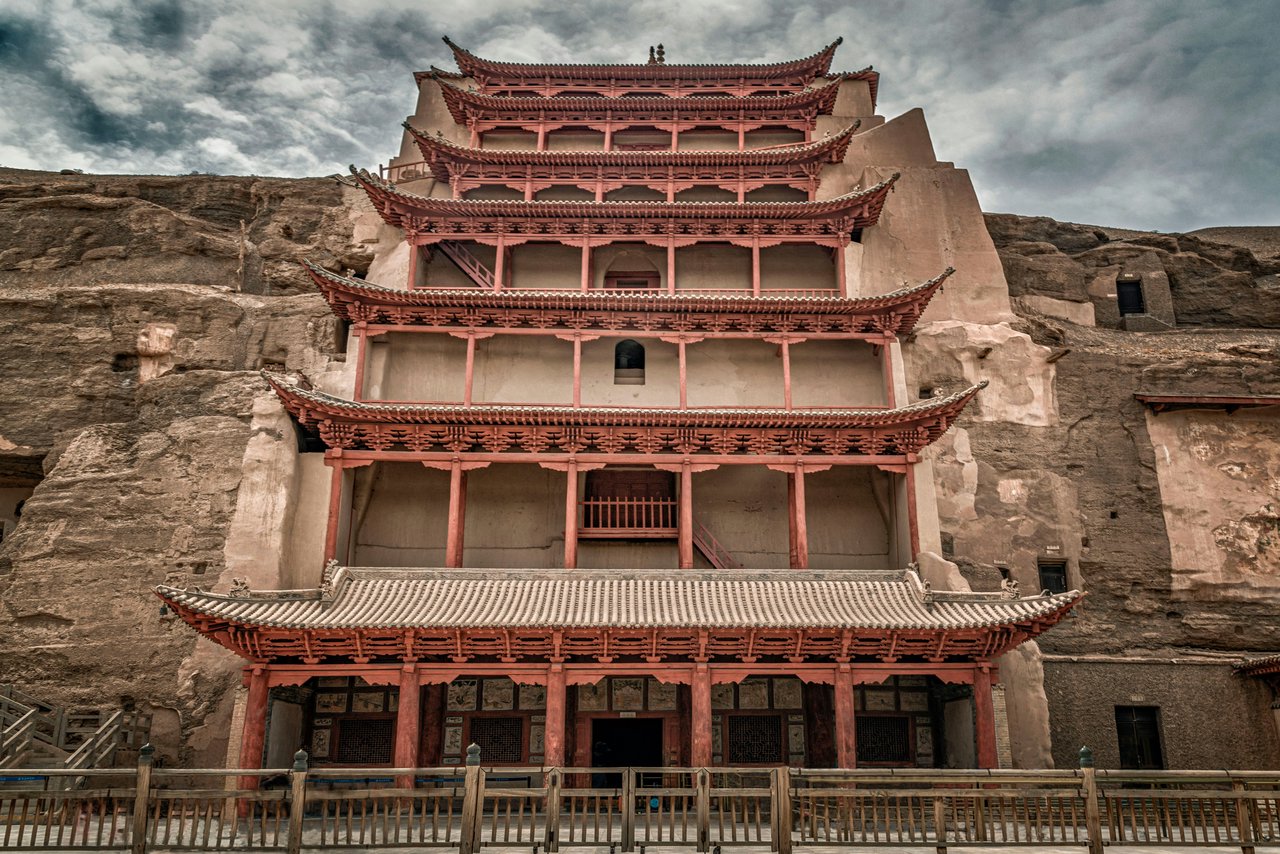
Dunhuang, located in the northwest of Gansu Province, China, is a county-level city. As an important hub on the ancient Silk Road, Dunhuang is famous for the Mogao Grottoes nearby. The city is situated in an oasis containing Crescent Lake and Singing Sand Dunes, and historically controlled the strategic passage connecting the Central Plains and the western regions. It was also an important military border town in the Han Dynasty to defend against nomadic tribes.
Best Time to Visit
Spring and Autumn
Daily Budget
¥400-800 ($60-120) per day
Getting Around
Airplane, Train, Car, Taxi, Ride-hailing service
Suggested Stay
3-5 days
Must-Visit Attractions
Mingsha Mountain Crescent Spring
Mingsha Mountain Crescent Spring is located in Dunhuang City, Gansu Province, and is a unique natural landscape composed of Mingsha Mountain and Crescent Spring. Mingsha Mountain is famous for its wonder of 'mountain and spring coexisting, sand and water coexisting,' and gets its name from the sound made by moving sand. Crescent Spring is a crescent-shaped lake, shimmering with clear water in the desert, remaining unfrozen for thousands of years, and is hailed as a 'desert marvel.' It is a national 5A-level tourist attraction and recognized by UNESCO as part of the Dunhuang Yardang National Geopark, making it an excellent destination to experience desert scenery and Silk Road culture.
Western Thousand Buddha Caves
The Western Thousand Buddha Caves are located in Dunhuang City, Gansu Province, situated on the cliffs north of the Dang River, approximately 35 kilometers from the center of Dunhuang City. This grotto complex is the western counterpart to the Mogao Grottoes, excavated from the Northern Wei to Yuan and Ming dynasties (6th to 14th centuries AD). It currently preserves 22 decorated caves, containing 34 painted sculptures and 800 square meters of murals, showcasing exquisite Buddhist art. It once served as an important station on the Silk Road and was designated a Major Historical and Cultural Site Protected at the National Level in 1961, along with the Mogao Grottoes. Opening hours are Monday to Sunday, 08:30-17:30.
White Horse Pagoda
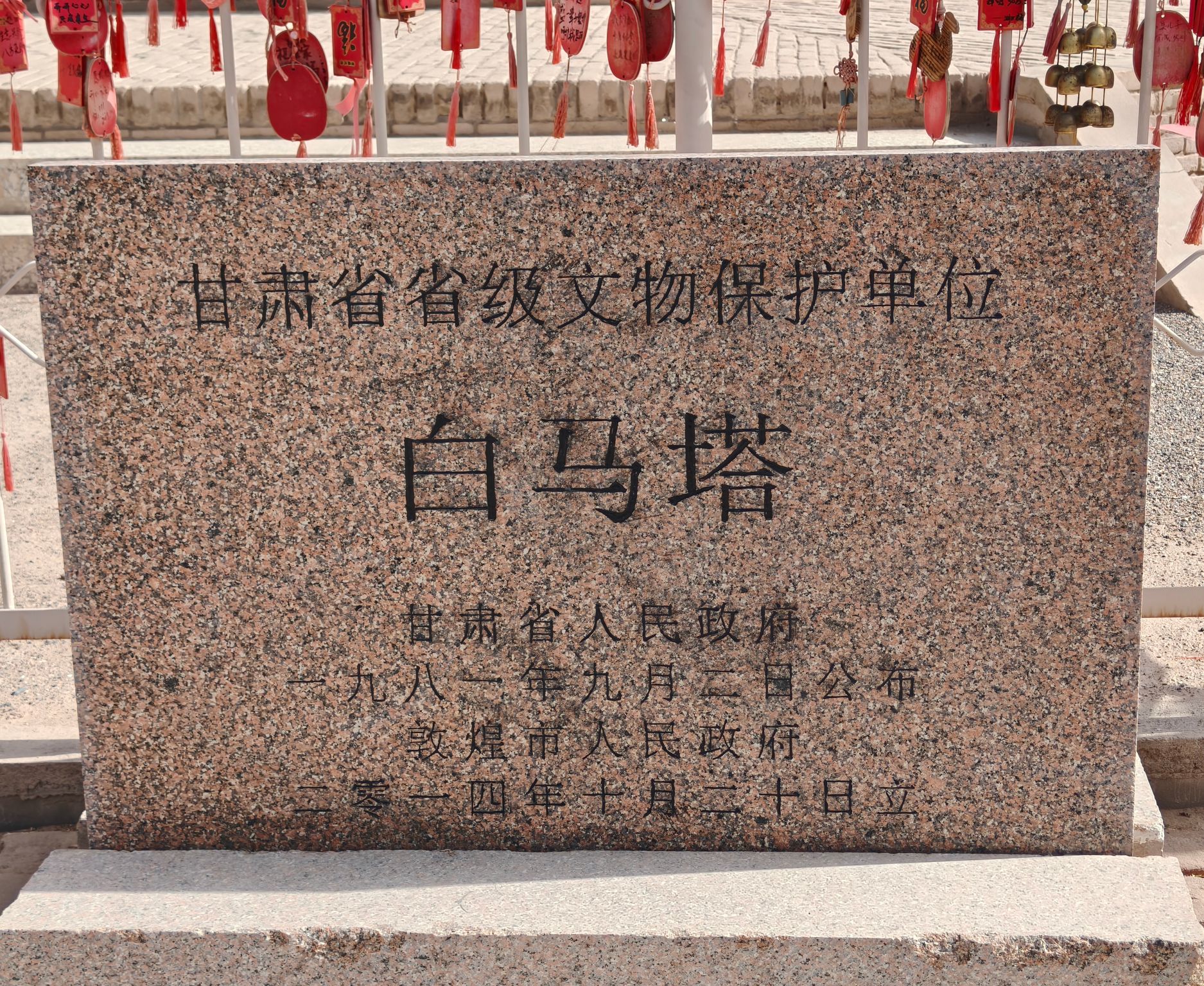
The Dunhuang White Horse Pagoda was built to commemorate the white horse Tianliu of the Buddhist monk Kumarajiva. Tianliu carried Buddhist scriptures from Kucha to Dunhuang and died of illness upon arrival in Dunhuang. The pagoda is located approximately 2 kilometers southwest of Dunhuang city center, standing 12 meters high, 7 meters in diameter, and has nine stories. The pagoda body is constructed of adobe bricks, filled with a mixture of straw mud and lime. Its exterior design is unique, with an octagonal wheel-shaped base, different decorations on each ascending level, and wind chimes hanging from the top, whose sound is said to be the echo of the white horse's neigh. The pagoda underwent restoration during the Daoguang period and in 1992. Kumarajiva's translation of the Diamond Sutra is one of the most widely circulated Buddhist scripture versions in China, and a printed copy of it was once discovered near the Mogao Grottoes, making it the world's oldest dated printed book.
Yumen Pass Xiaofangpan City Ruins
The Yumen Pass Xiaofangpan City Ruins are an important pass on the ancient Silk Road, located in the northwest of Dunhuang City, Gansu Province. It is an important part of the Han Great Wall. Xiaofangpan City is a common name for Yumen Pass, named for its square city walls and relatively small scale. It was once a gateway to the Western Regions, witnessing the exchange and integration of Chinese and Western cultures.
Leiyin Temple
Leiyin Temple in Dunhuang, located within the Mingsha Mountain and Crescent Spring Scenic Area in Dunhuang City, Gansu Province, is a Buddhist temple with a long history. It was first built during the Western Jin Dynasty and is one of Dunhuang's important Buddhist cultural heritages. The temple features unique architectural style and a serene environment, making it a peaceful place for devotees to worship and tourists to visit.
Golden Lion Greeter (Pagoda-shaped Yardang)
The Golden Lion Greeter Yardang is a unique yardang landform landscape within Dunhuang Yardang National Geopark, named for its resemblance to a male lion welcoming guests. It is a natural wonder formed by the long-term erosion of soft surface parts by wind and rain, leaving behind hard rocks, and is one of many peculiar rock formations within Dunhuang Yardang National Geopark. Dunhuang Yardang National Geopark is located in Dunhuang, Gansu Province, covers an area of 398 square kilometers, and is famous for its large-scale yardang landforms.
Must-Try Local Food
Lamb Noodle Soup
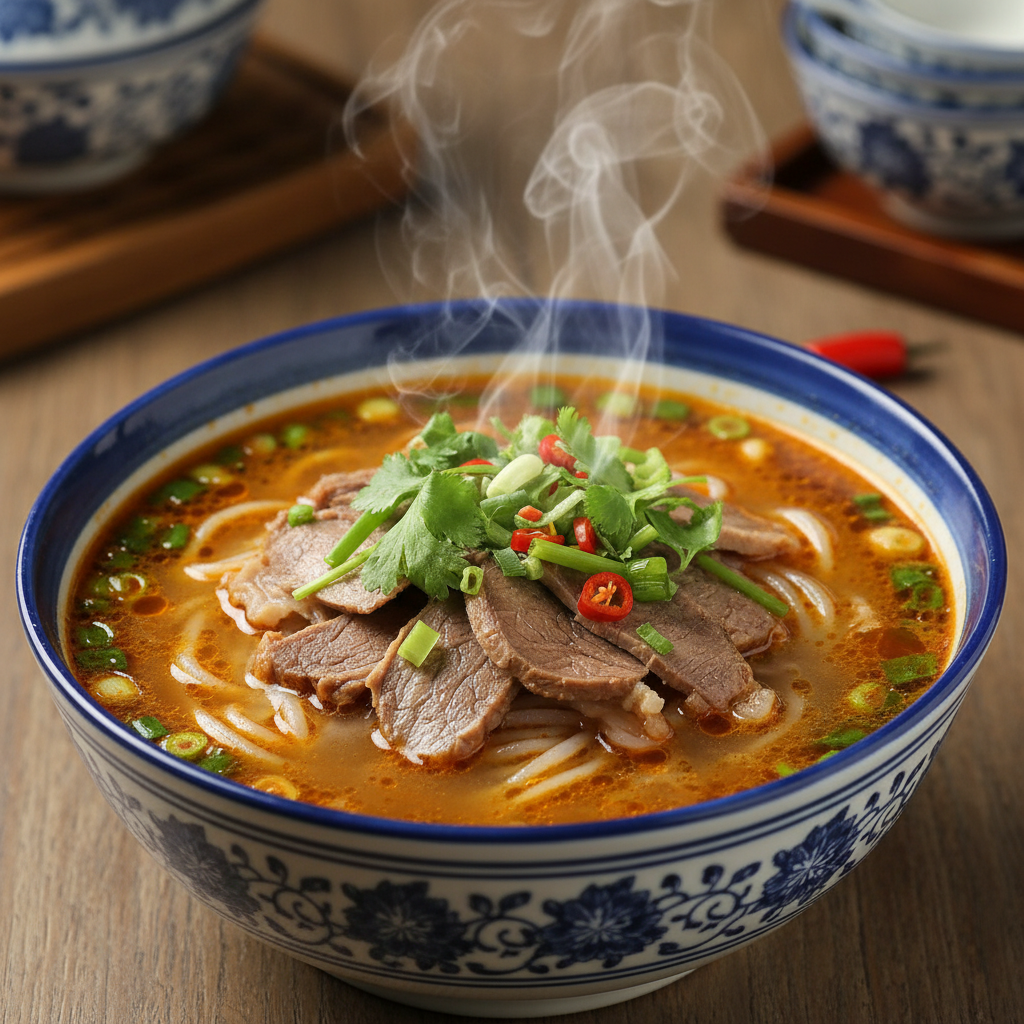
Yangrou Fentang (Lamb Noodle Soup) is a common noodle dish in Northwest China, especially in Shaanxi cuisine. It primarily features lamb and noodles, with a rich broth, savory and aromatic flavor, often with a certain level of spiciness.
Kao Nang
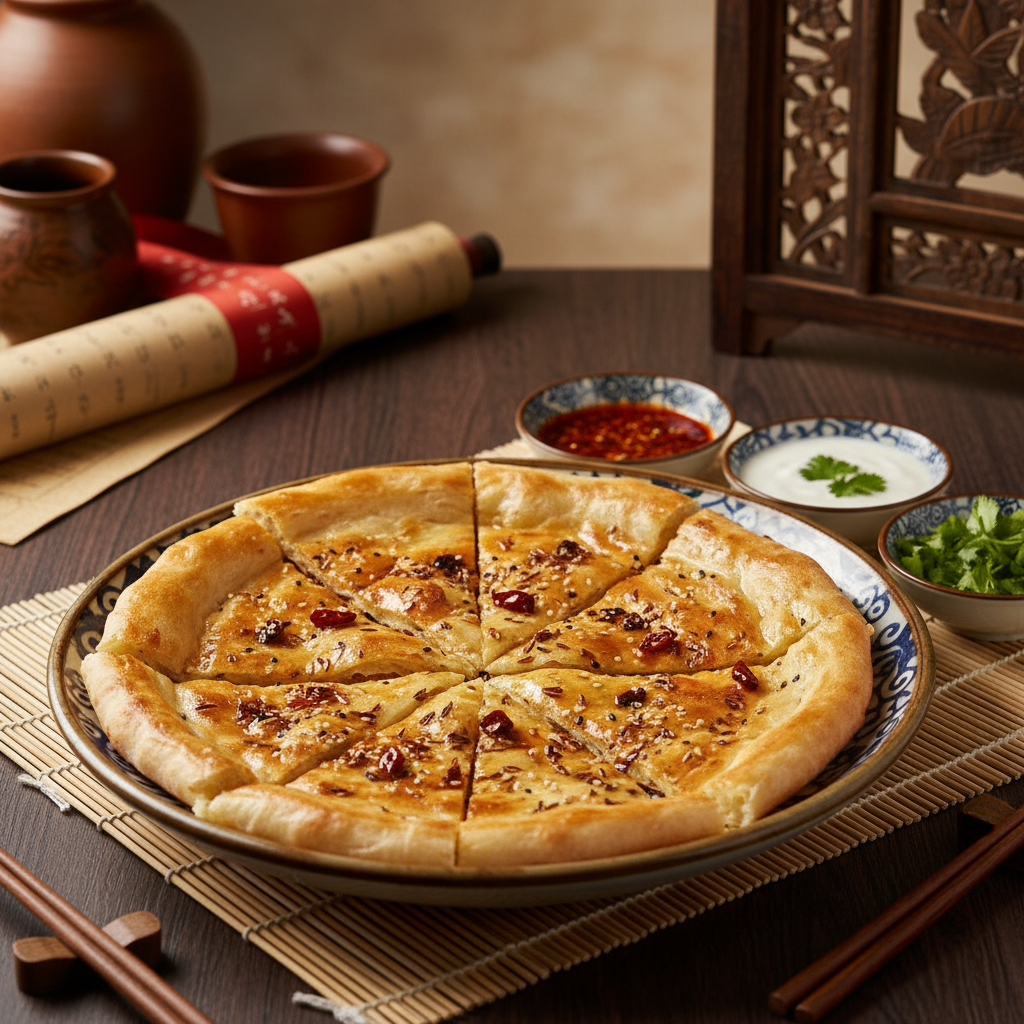
Kao Nang is a fermented flatbread, baked in an oven or fried on a tawa, characterized by its light and fluffy texture and golden-brown spots formed during baking. In China, Kao Nang is an indispensable part of Uyghur cuisine.
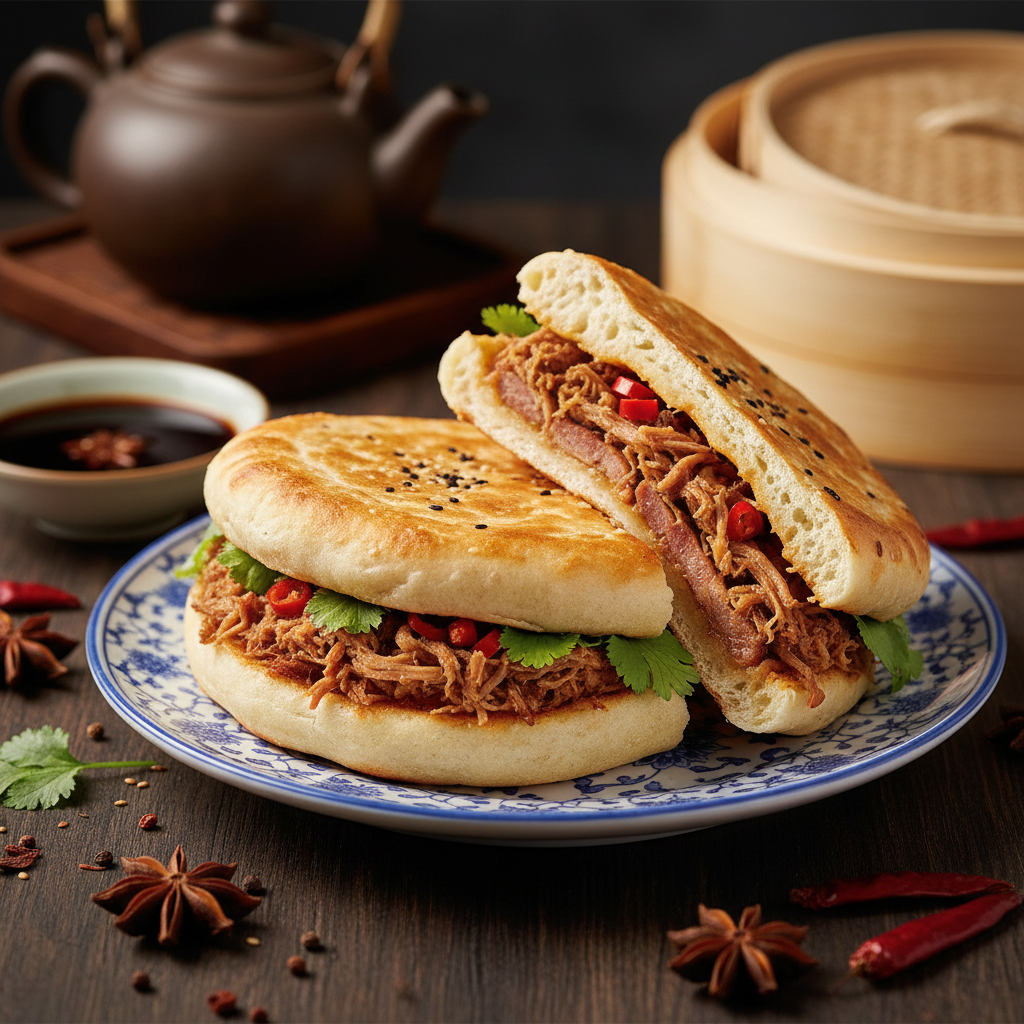
Roujiamo
Roujiamo is a street food originating from Shaanxi, typically consisting of stewed meat (most commonly pork, beef in Xi'an Muslim areas, and lamb in Gansu) that has been chopped or shredded and stuffed into a 'Baiji Mo' (flatbread). It is considered a Chinese snack similar to Western hamburgers.
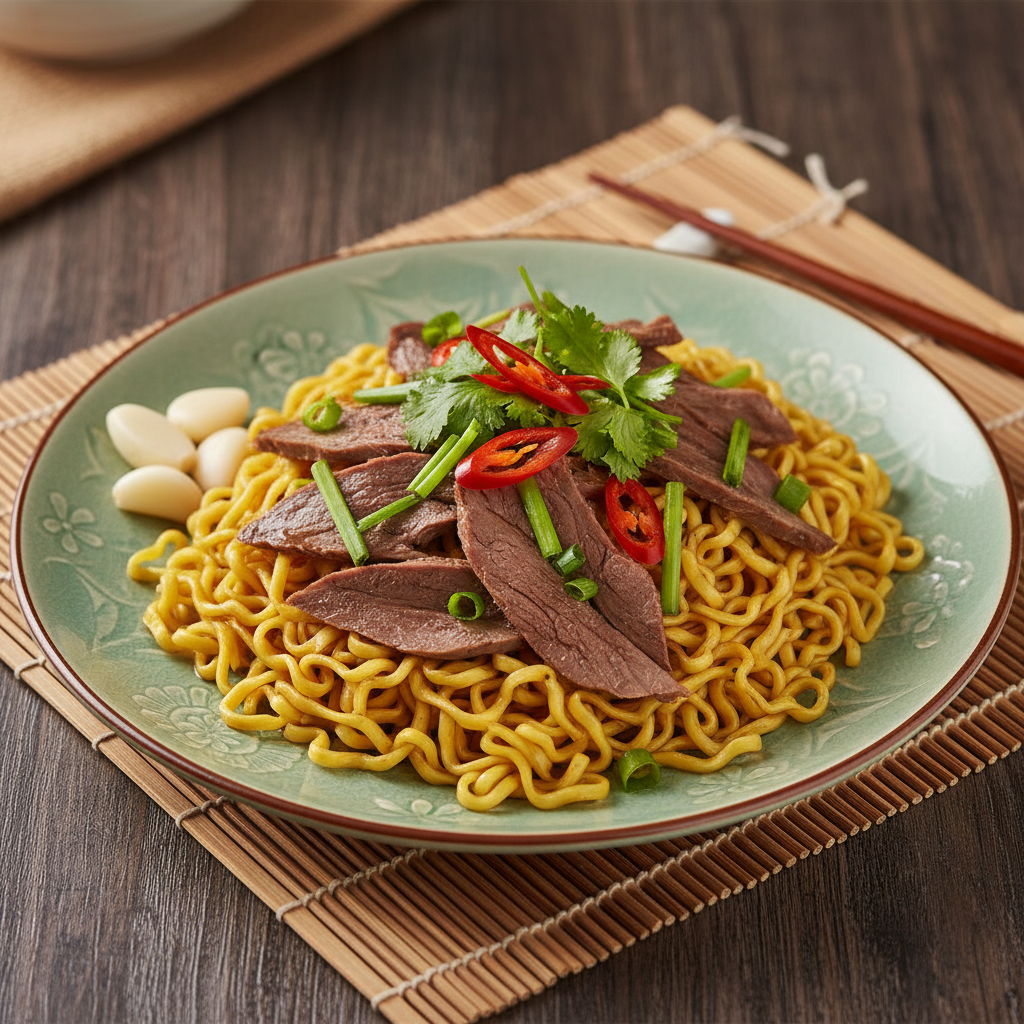
Dunhuang Donkey Meat Yellow Noodles
Dunhuang Donkey Meat Yellow Noodles is a traditional specialty dish from the Dunhuang region of Gansu. It features chewy handmade yellow noodles paired with tender donkey meat cooked in a unique sauce. The flavor is fresh and savory, and the noodles are firm, making it an unmissable delicacy in the area.
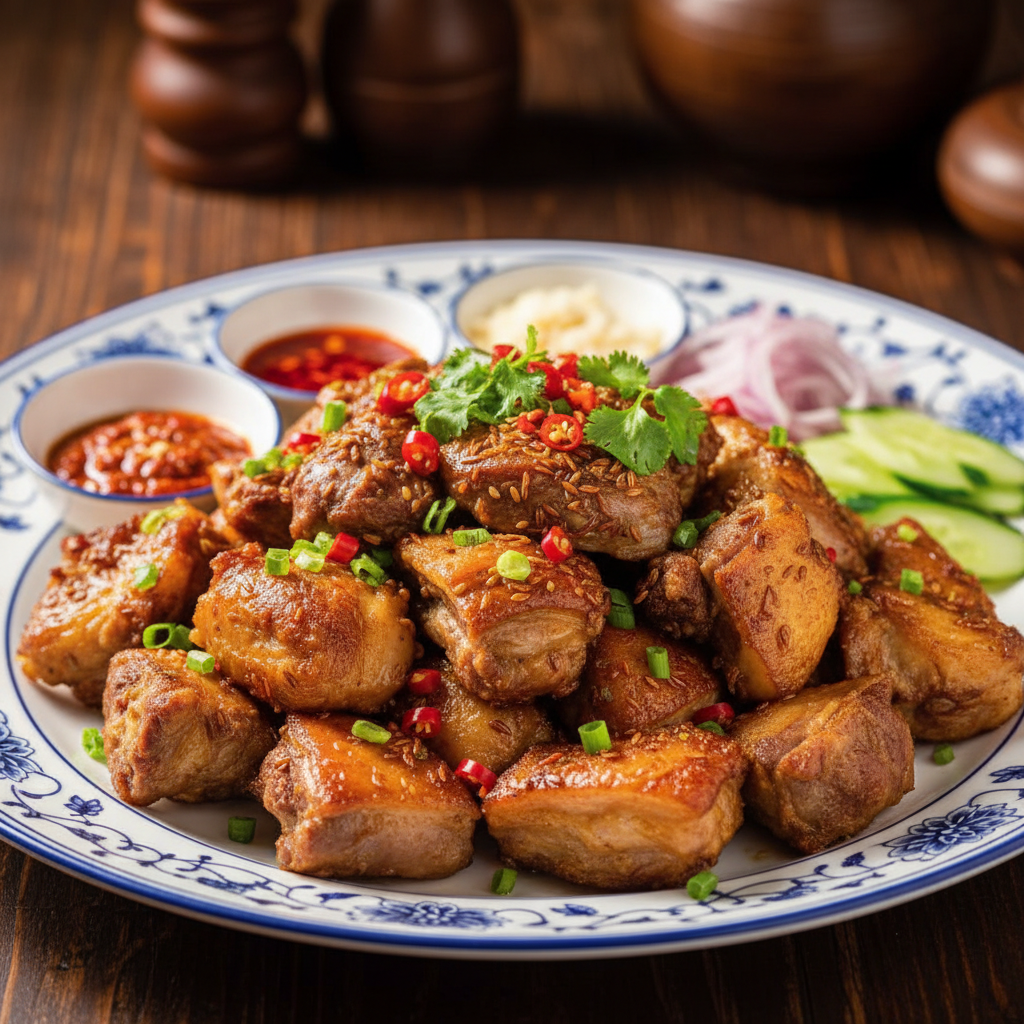
Hand-Grabbed Mutton
Hand-Grabbed Mutton is a traditional dish with a long history in China's Northwest region, especially popular among ethnic minorities such as the Hui and Mongolian people. It typically uses high-quality lamb or lamb ribs, prepared by simple boiling or steaming, aiming to preserve the original freshness of the lamb. It gets its name from the traditional practice of eating it directly with hands, reflecting the bold and uninhibited culinary culture of the people in the Northwest.
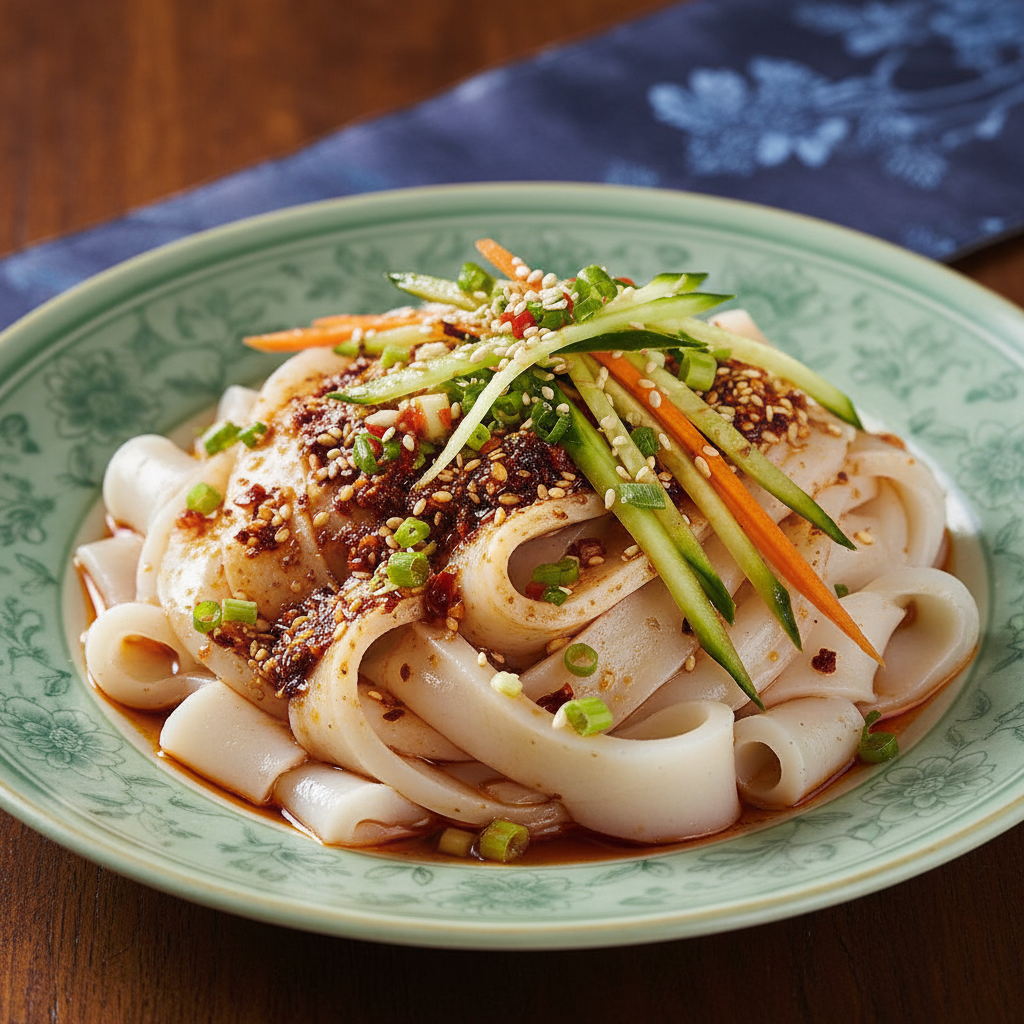
Niangpizi
Niangpizi is a popular snack in China's Northwest region, primarily made from flour, with a chewy texture, often served with chili oil, vinegar, minced garlic, and other seasonings.