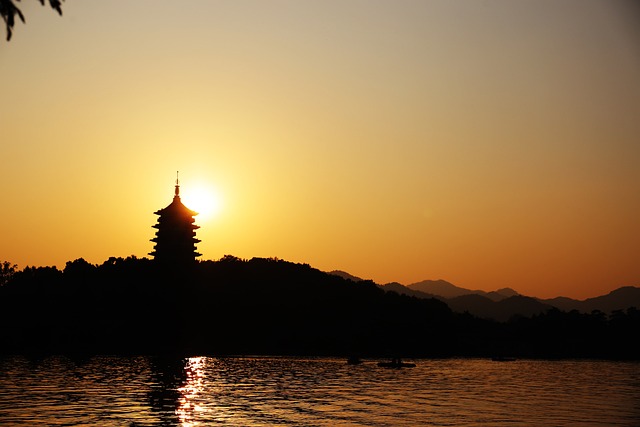
Travel Guide
Hangzhou is the capital of Zhejiang Province, with a population of 13 million, located at the top of Hangzhou Bay and the Qiantang River estuary. It was established as a county in 221 BC and later became the capital of the Wuyue Kingdom (923-997) and the Southern Song Dynasty (1138-1276). Hangzhou has three UNESCO World Heritage Sites: West Lake Cultural Landscape, the Grand Canal, and the Archaeological Ruins of Liangzhu City. It is listed as one of China's seven ancient capitals and is also home to the headquarters of Wahaha Group, China's largest beverage producer. In addition, Hangzhou is also home to the headquarters of Alibaba Group, Ant Group, DeepSeek, Geely, and NetEase.
Best Time to Visit
Spring and Autumn
Daily Budget
¥400-800 ($60-120) per day
Getting Around
Subway, Bus, Taxi, Ride-hailing, Shared bicycle
Suggested Stay
3-5 days
Must-Visit Attractions
Lingyin Temple
Lingyin Temple (Temple of the Soul's Retreat), also known as "Lingyin Temple", is a renowned Chan Buddhist temple located at the foot of the Northwest Peak of West Lake in Hangzhou, Zhejiang, China. It is famous for its numerous pagodas and grottoes. The temple is the largest among several temples in Wulin Mountain (Wǔlínshān), which is known for its famous grottoes and religious stone carvings. According to legend, the temple was founded by the Indian monk Huili during the Eastern Jin Dynasty (328 AD). During its heyday, under the rule of the Wuyue Kingdom (907-978 AD), the temple boasted 18 pavilions, 72 halls, over 1,300 monks' quarters, and housed more than 3,000 monks. Many exquisite Buddhist stone carvings in the Feilai Peak Grottoes and surrounding mountains also date back to this period. Today, Lingyin Temple is a thriving destination for both pilgrims and tourists. It is considered one of the wealthiest temples in China.
Liangzhu Ancient City Ruins Park
Liangzhu Ancient City Ruins Park is a sacred place that provides evidence of 5,000 years of Chinese civilization history. It is located in Pingyao Town, Yuhang District, Hangzhou City, Zhejiang Province. As a core component of the Liangzhu Ancient City Ruins, the park primarily features the protection and display of the archaeological site itself and its surrounding landscape. It vividly showcases the brilliant achievements of the Liangzhu culture period in rice cultivation, handicrafts, water conservancy systems, and hierarchical society. In 2019, the Liangzhu Ancient City Ruins were inscribed on the World Heritage List.
Xixi National Wetland Park
Xixi National Wetland Park is located in western Hangzhou, covering a total area of 1150 hectares, and is China's first national wetland park. The park features six main water systems, with various ponds, lakes, and marshes. Xixi Wetland boasts over 4000 years of history and rich cultural heritage, being the birthplace of Southern Opera in China, and preserving traditional dragon boat races, as well as water town lifestyles such as silkworm breeding and silk production.
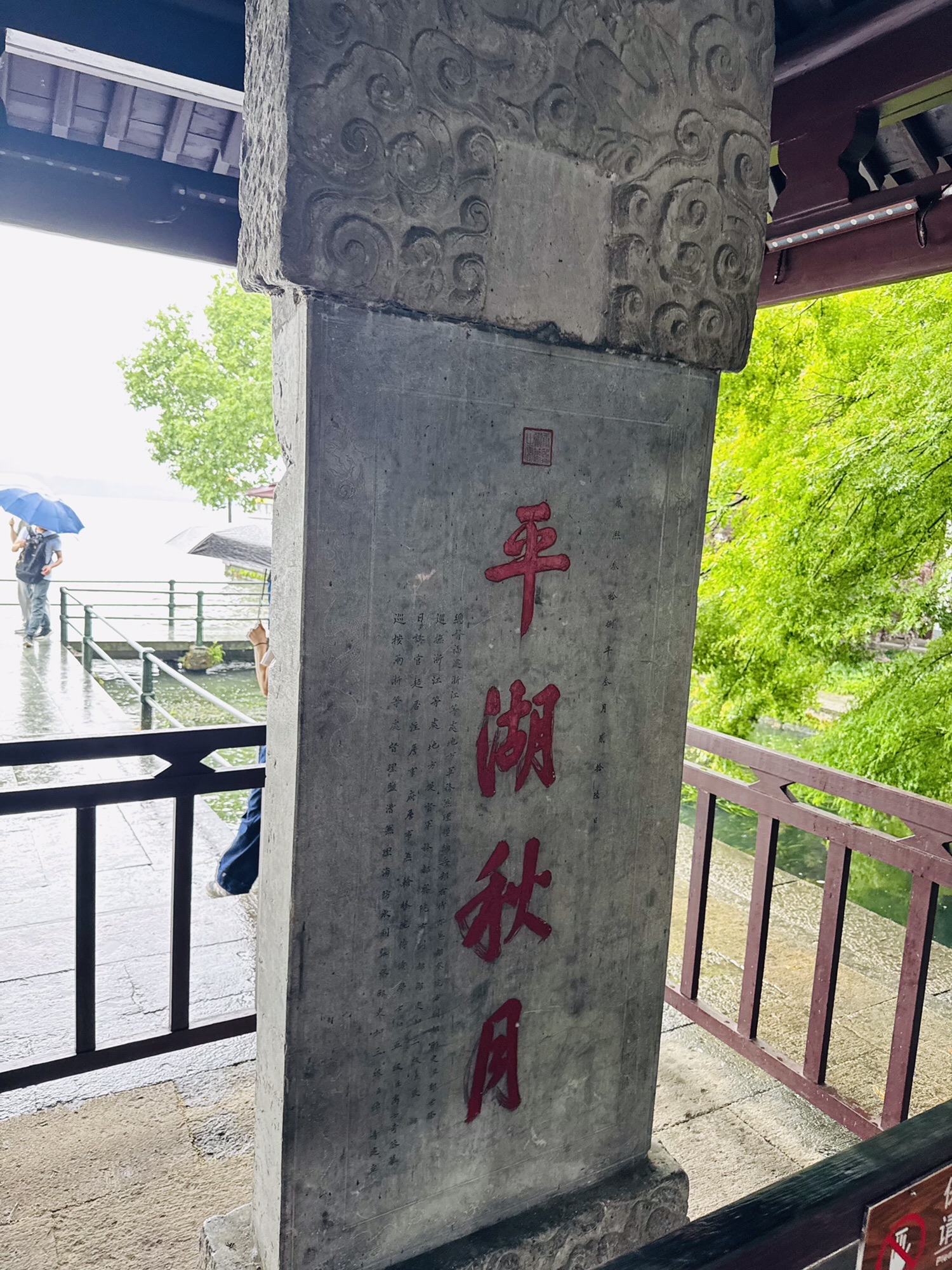
Autumn Moon over the Calm Lake Stele Pavilion
Autumn Moon over the Calm Lake is one of the Ten Scenes of West Lake. It is located at the southern foot of Gushan Mountain on West Lake, at the western end of Bai Causeway. The view here is expansive, allowing visitors to fully appreciate the scenery of West Lake. Especially on autumn nights, with the bright moon high in the sky, the lake surface is as calm as a mirror, and the moonlight and lake water reflect each other, creating an absolutely beautiful scene. It is an excellent spot to enjoy the autumn moon night view of West Lake.
Hangzhou West Lake Scenic Area - Orioles Singing in the Willows
Orioles Singing in the Willows is one of the Ten Scenes of West Lake, located on the southeast bank of West Lake, in the lakeside area between Yongjin Gate and Qingbo Gate. During the Southern Song Dynasty, it was the imperial garden of the emperors, known as "Jujing Garden". In the Yuan Dynasty, it was called "Wenyin Pavilion". In the Qing Dynasty, it was restored and named "Orioles Singing in the Willows". Inside the park, weeping willows brush the water and orioles sing melodiously, making it an excellent place to enjoy the beautiful scenery of West Lake and experience the charm of Jiangnan.
Hangzhou West Lake Scenic Area - Broken Bridge
The Broken Bridge, located at the eastern end of Bai Causeway on Hangzhou's West Lake, is one of the most famous attractions on the West Lake and the site of 'Remnant Snow on the Broken Bridge,' one of the 'Ten Scenes of West Lake.' It is famous for its elegant arch and ancient legends, especially the love story of Lady White Snake and Xu Xian meeting in 'The Legend of the White Snake,' which adds to its romantic allure. After a winter snowfall, the sunny side of the bridge melts due to sunlight, while the shaded side remains covered in white snow. When viewed from above, the bridge appears to be broken yet not broken, hence its name. The Broken Bridge is an important passage connecting Bai Causeway and Gushan Island, and an excellent spot to enjoy the scenery of West Lake.
Must-Try Local Food
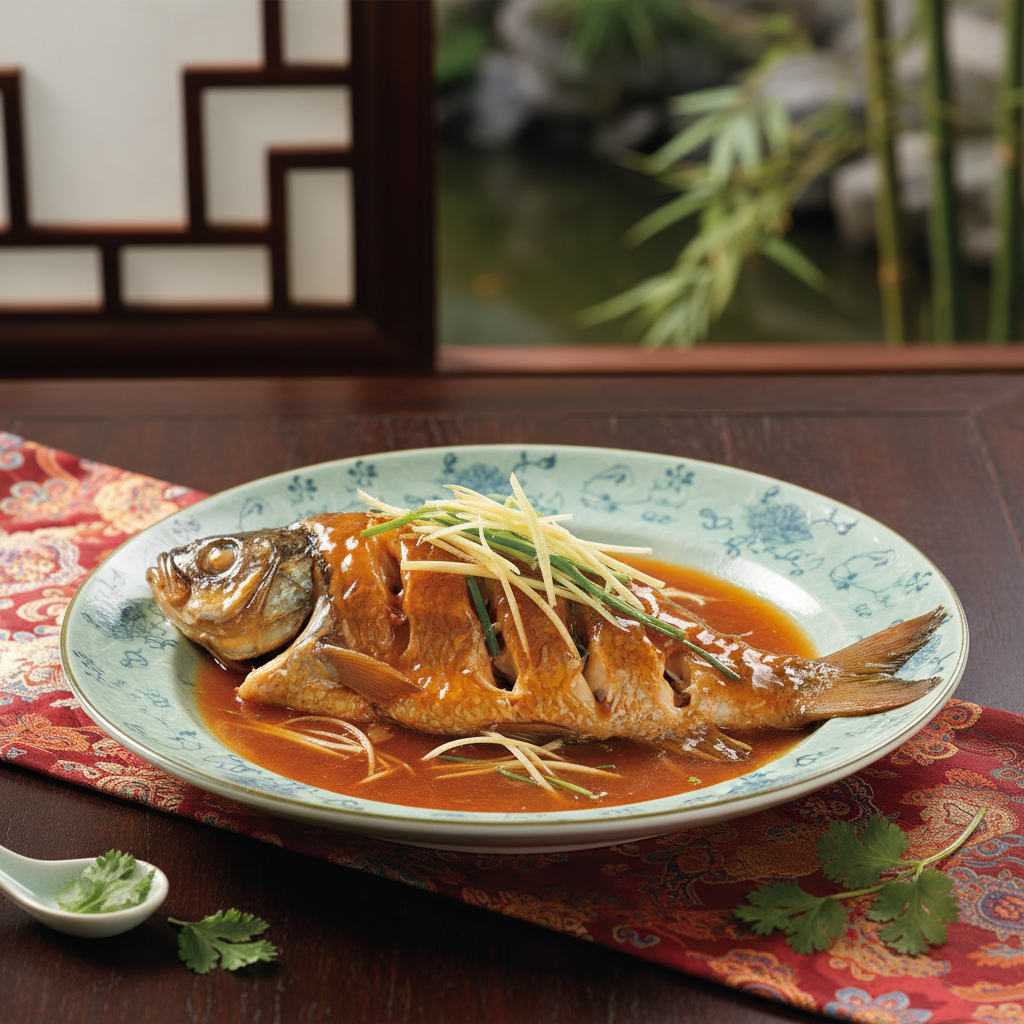
West Lake Vinegar Fish
West Lake Vinegar Fish, also known as Song Sao Fish, is a traditional local specialty dish from Hangzhou, Zhejiang, originating from the Southern Song Dynasty. Typically made with grass carp as the main ingredient, after cooking, it's drizzled with a special sweet and sour sauce. The fish is tender, with a unique crab-like flavor, and a sweet and sour taste.
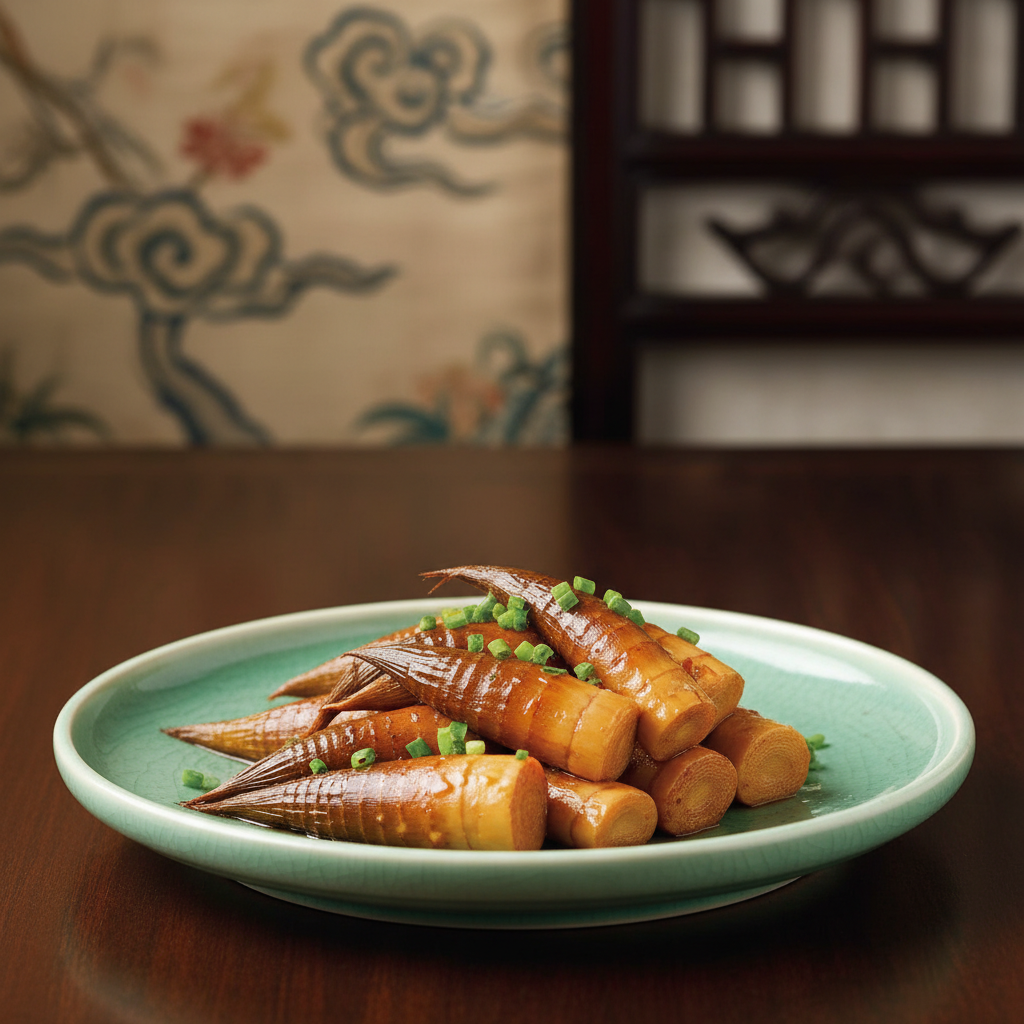
Braised Spring Bamboo Shoots in Oil
Oil-Braised Spring Bamboo Shoots is a classic traditional Chinese dish, especially popular in spring. It typically uses fresh, tender spring bamboo shoots, braised in a rich, savory-sweet sauce, resulting in a glossy appearance and delicious taste. This dish aims to highlight the natural sweetness and crisp tenderness of the spring bamboo shoots themselves.
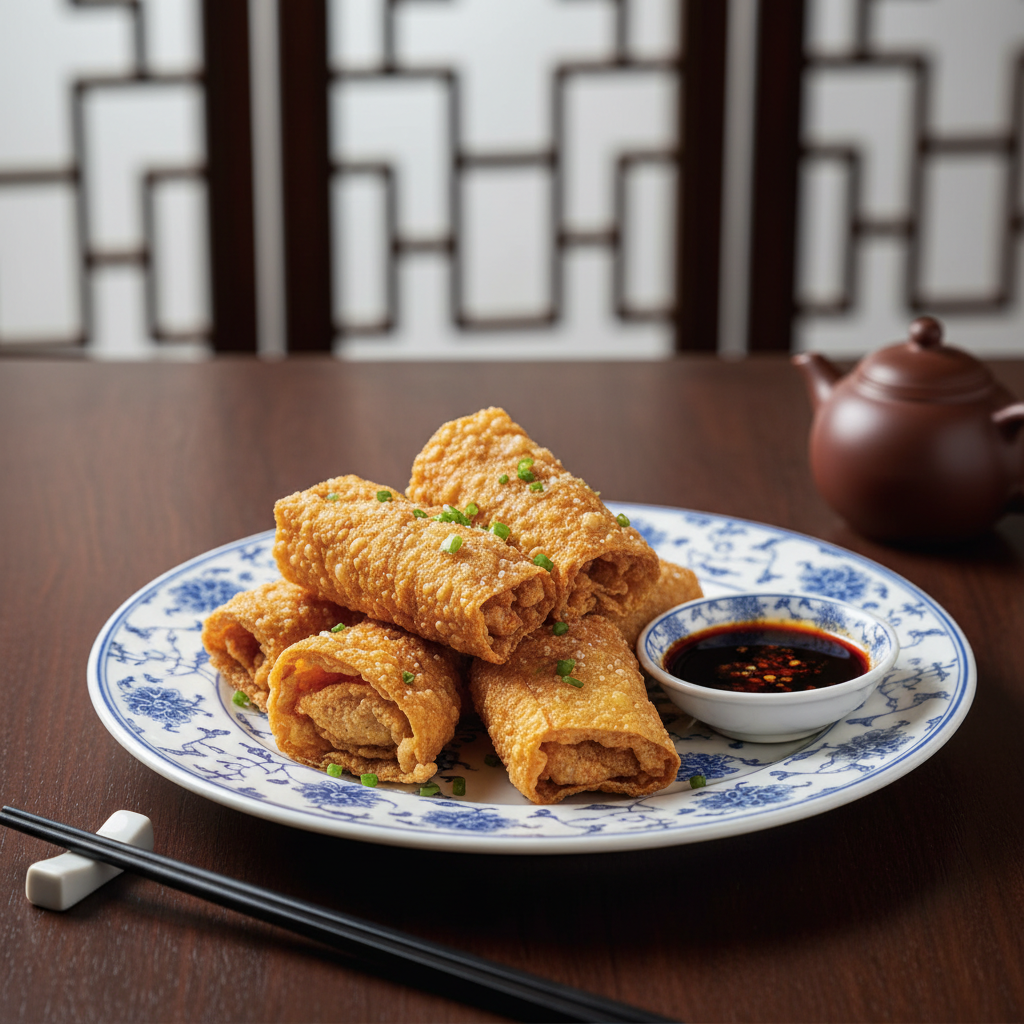
Crispy Fried Tofu Skin Rolls
Crispy Fried Tofu Skin Rolls is a traditional famous dish from Hangzhou, Zhejiang province. It uses tofu skin as the main ingredient, deep-fried until crispy, with a fragrant and fresh taste.
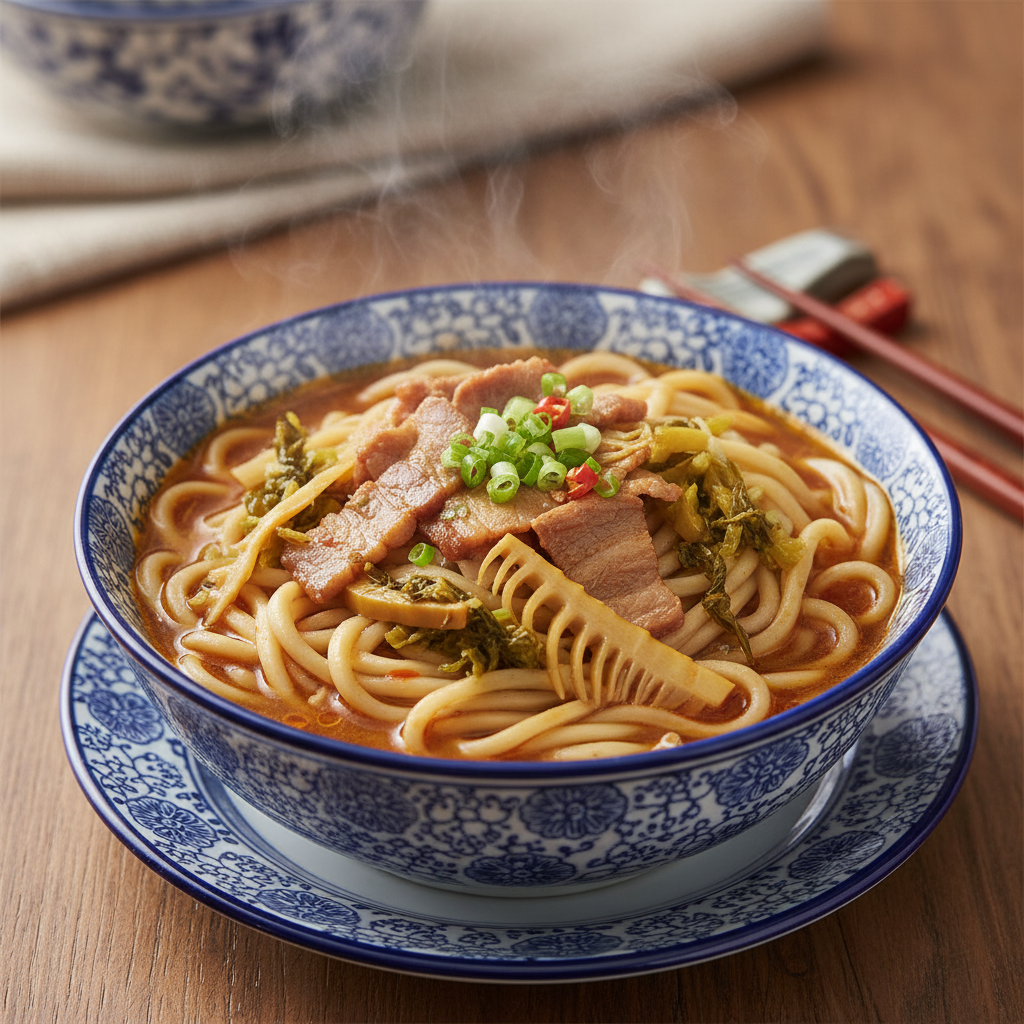
Pian'er Chuan
Pian'er Chuan is a famous noodle dish from the Hangzhou area, deeply loved by locals for its unique flavor and rich texture. It is usually made with noodles, pickled vegetables (daoducai), bamboo shoots, and lean pork slices.
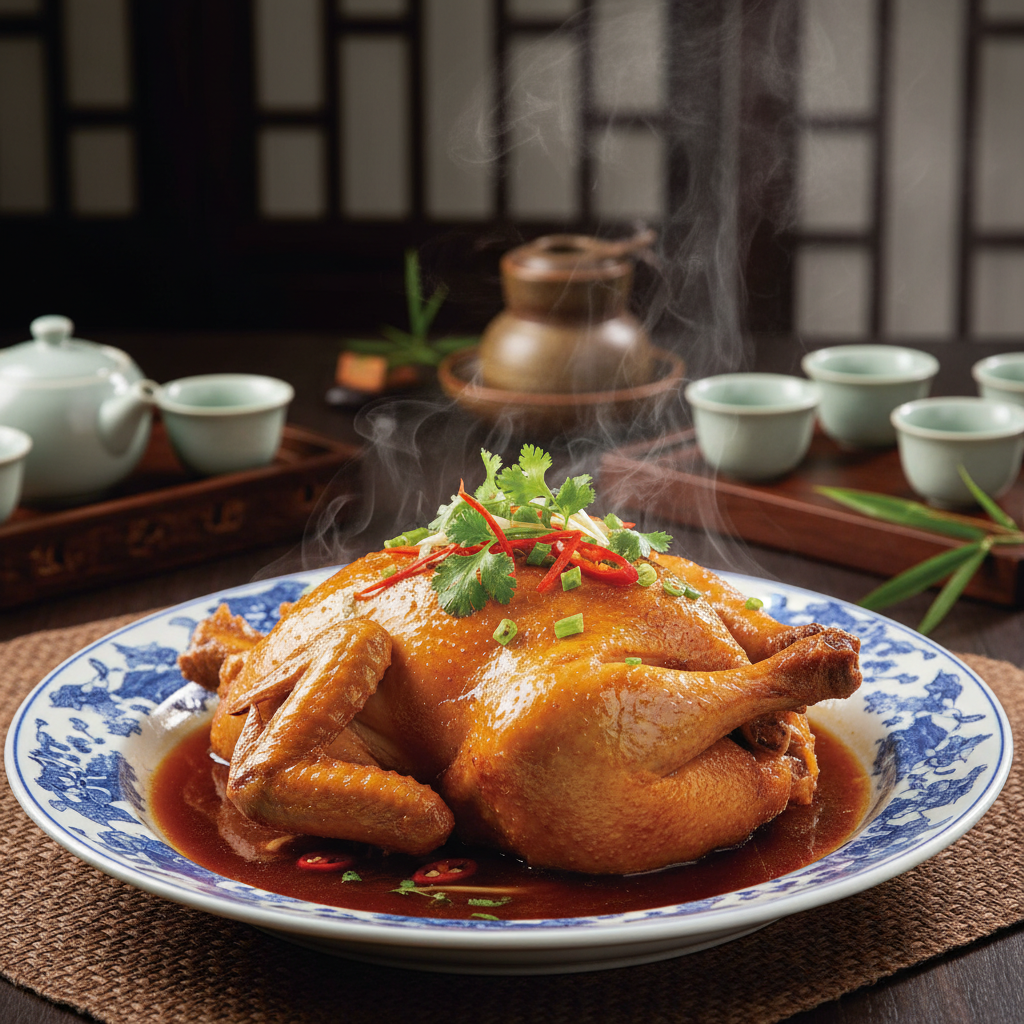
Beggar's Chicken
Beggar's Chicken is a famous traditional Chinese dish, typically made by selecting a whole chicken, removing its internal organs, wrapping it in lotus leaves (or other edible leaves), then tightly encasing it in yellow clay or dough, and finally slow-roasting it in an oven for a long time. Its characteristics are tender chicken meat that easily falls off the bone, a rich aroma, original flavor, and unique taste.
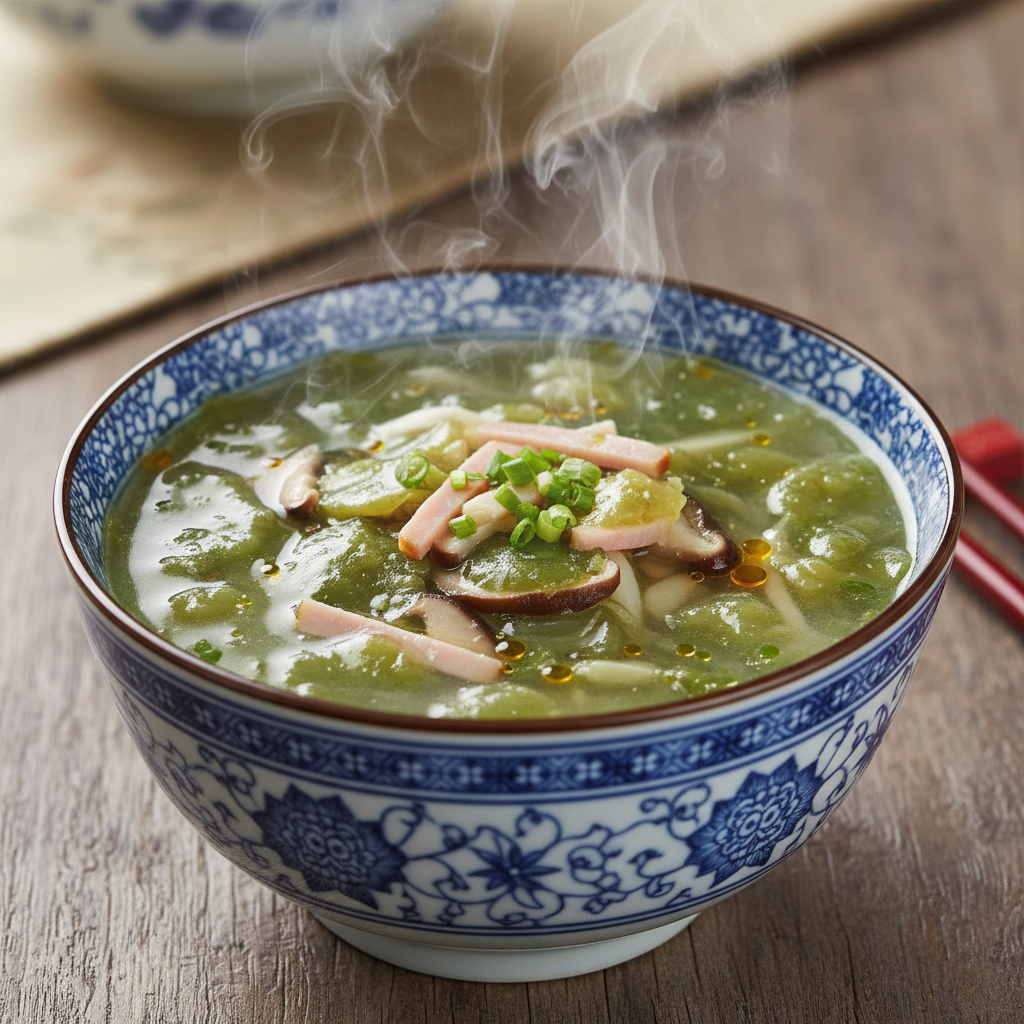
西湖莼菜汤
西湖莼菜汤是浙江杭州的传统名菜,以鲜嫩的莼菜为主料,搭配鸡脯丝或火腿丝等烹制而成,汤味清香,口感滑润。