Travel Guide
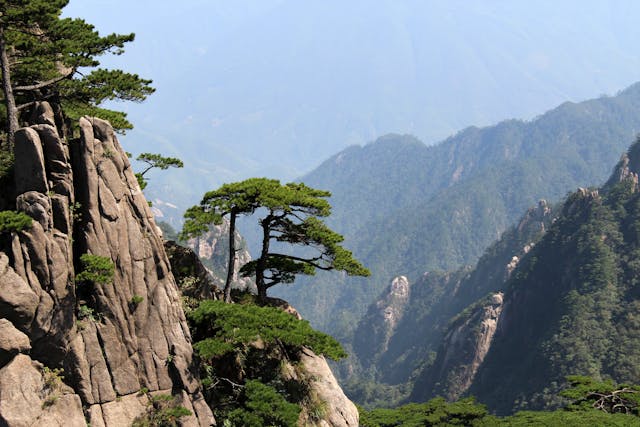
Mount Huangshan is located in southern Anhui Province, China. It is a famous mountain range known for its magnificent natural scenery, oddly-shaped pines, bizarre rocks, sea of clouds, hot springs, and winter snow. Huangshan is a UNESCO World Heritage Site and one of China's major tourist destinations.
Best Time to Visit
Suitable for all seasons, spring and autumn have pleasant climates, and winter offers snow scenery.
Daily Budget
¥400-800 ($60-120) per day
Getting Around
Car, High-speed train to Huangshan North Station, then transfer to scenic area bus
Suggested Stay
2-3 days
Must-Visit Attractions
Hongcun
Hongcun, historically known as Hongcun (弘村) and also Qixia Town, is located at the southern foot of Mount Huangshan and is a typical representative of Huizhou-style architecture. It was first built in the first year of Shaoxi in the Southern Song Dynasty (1190 AD). Nestled against mountains and beside water, with a high terrain, it is often shrouded in mist and clouds, hence also known as 'Ox-shaped Village'. Hongcun's planning and layout are unique, with water as its soul, forming a distinctive water system that channels water to every household's doorstep within the village. The village's streets, alleys, and houses are all built around water systems such as South Lake and Moon Pond, forming a unique landscape painting. In 2000, Hongcun, along with Xidi Village, was inscribed on the UNESCO World Heritage List, earning the reputation of 'a village in a Chinese painting'. The film 'Crouching Tiger, Hidden Dragon' was once filmed here.
Huangshan Scenic Area - Bright Summit
Bright Summit is the second highest peak in Huangshan, with an elevation of 1860 meters. It serves as the dividing line between the front and back mountains of Huangshan, and is one of the best places to watch sunrises, sunsets, and the sea of clouds. This area is open and flat, forming the central hub of Huangshan, offering panoramic views of major Huangshan peaks such as Lotus Peak and Celestial Capital Peak.
Xidi Ancient Village
Xidi Ancient Village is located in Yixian County, Huangshan City, Anhui Province. It is one of the representative ancient villages in southern Anhui, China, famous for its well-preserved Ming and Qing Dynasty Huizhou-style architectural complex, and is known as 'a home in a peach blossom spring'. It was inscribed on the UNESCO World Heritage List along with Hongcun, showcasing the exquisite craftsmanship and profound cultural heritage of Huizhou residences.
Huangshan - Welcoming Pine
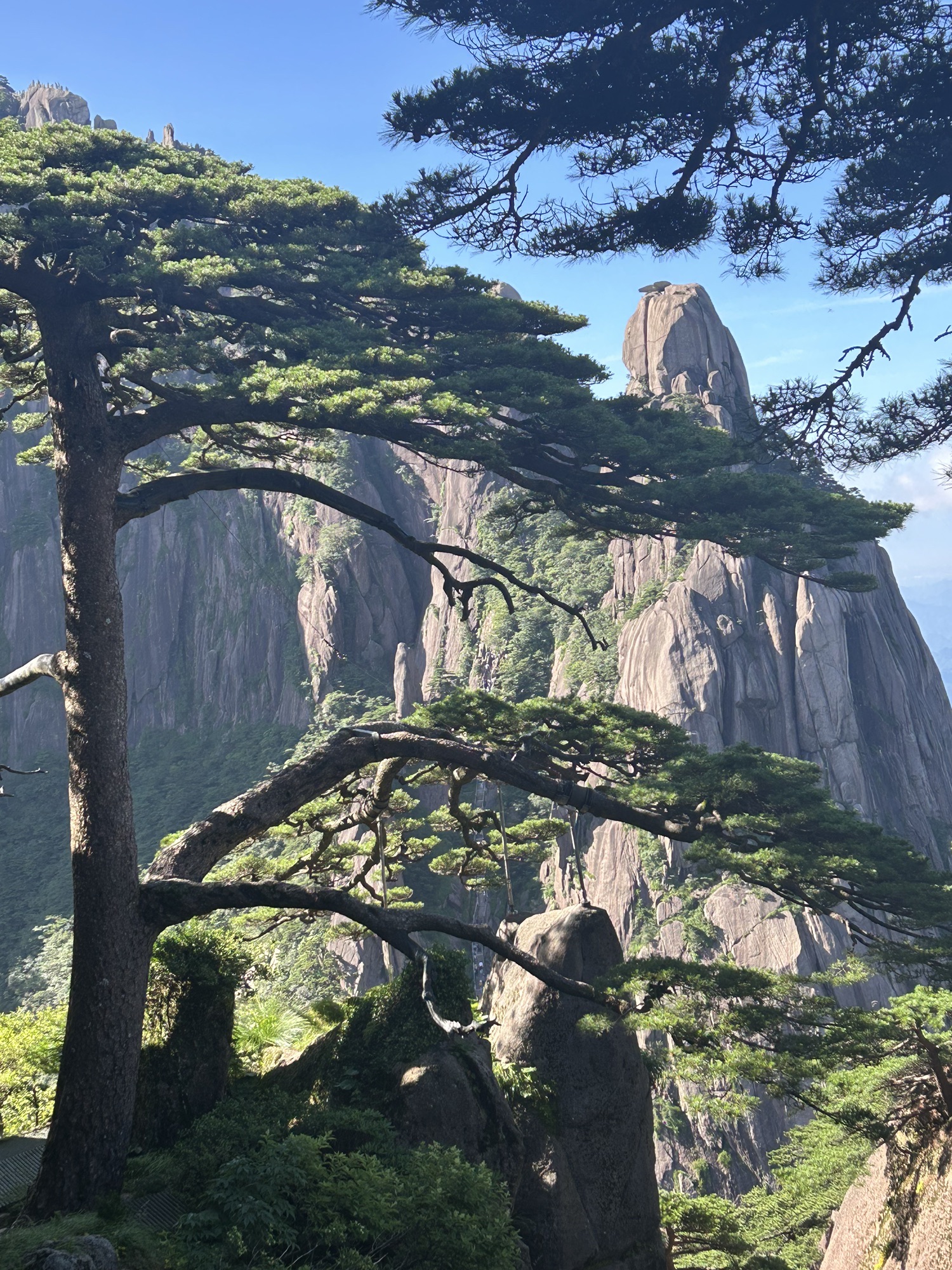
The Welcoming Pine is an iconic attraction in the Huangshan Scenic Area, located next to the Green Lion Stone near Yuping Tower. This ancient pine tree has a history of over 1500 years and is famous for its unique shape and tenacious vitality. Its two branches extending sideways resemble two hosts bowing in welcome, hence its name 'Welcoming Pine'. It is a typical representative of Huangshan pines and also one of the symbols of Chinese tourism. Huangshan is renowned for its 'Four Wonders': peculiar pines, grotesque rocks, sea of clouds, and hot springs, and the Welcoming Pine is the representative of the 'peculiar pines' among them.
Huangshan Scenic Area
Huangshan Mountain, located in the southern part of Anhui Province, China, is renowned for its unique natural scenery, including sunrises, oddly-shaped granite peaks, Huangshan pines, hot springs, winter snowscapes, and sea of clouds. It is a UNESCO World Heritage site and one of China's major tourist destinations. Huangshan has many peaks over 1000 meters above sea level, with the most famous being Lotus Peak, Bright Summit, and Celestial Capital Peak. Huangshan pines are named for their vigorous vitality, growing straight out of rocks. Many of these pines are over a hundred years old and have unique names, with Wolong Pine (Crouching Dragon Pine) being one of them.
Mount Huangshan - Yuping Peak
Yuping Peak is a famous mountain peak within the Mount Huangshan Scenic Area, with an elevation of over 1700 meters. At the summit is Wenshu Terrace, an excellent spot for viewing Mount Huangshan's unique pines, grotesque rocks, sea of clouds, and sunrise. The famous Welcoming Pine grows in front of Yuping Tower, serving as the center of tourism for the front mountain of Huangshan and a must-visit photo spot for many tourists, attracting countless visitors with its unique natural scenery and majestic views.
Must-Try Local Food
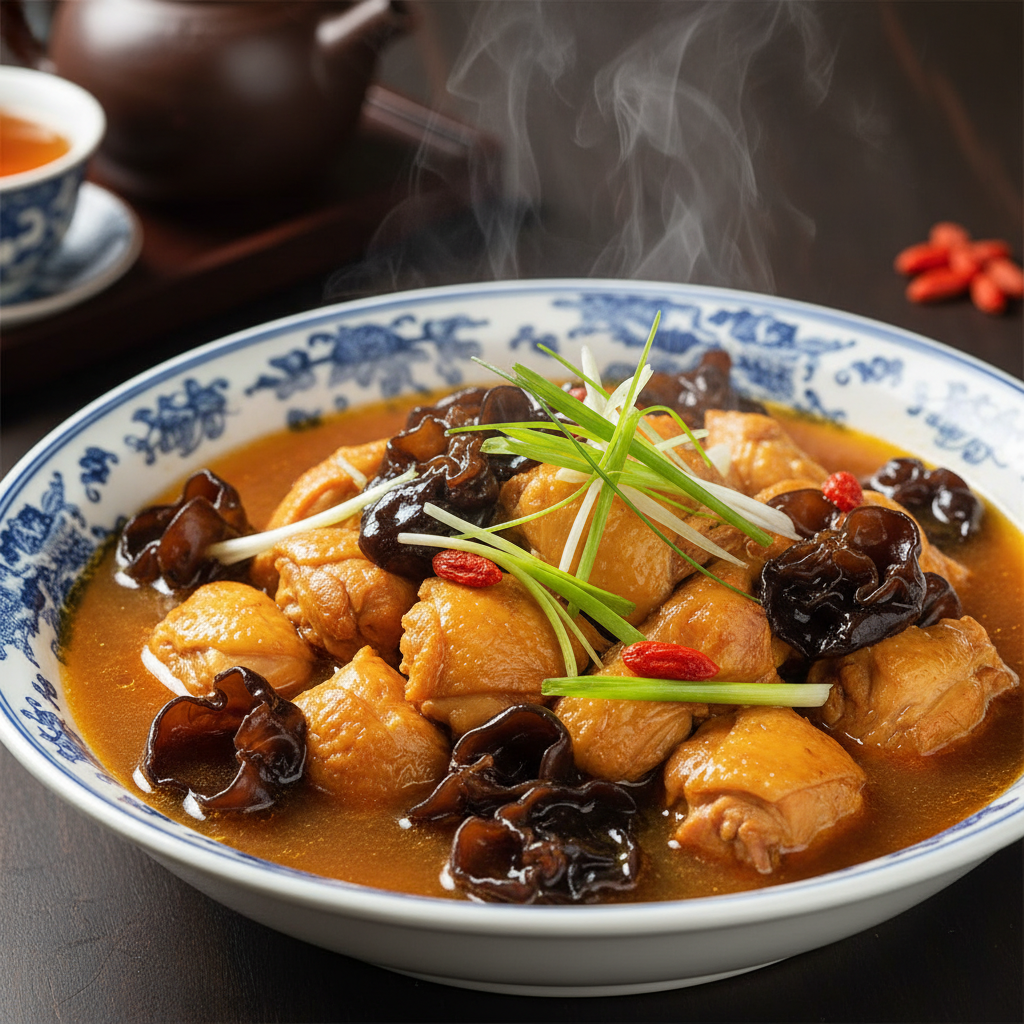
Stone Ear Stewed Chicken
Stone Ear Stewed Chicken is a soup dish primarily made with chicken and stone ear (a rare edible fungus that grows on cliffs). This dish is delicious, has nourishing and health-preserving benefits, and is often believed to have effects such as clearing heat, detoxifying, nourishing yin, and moistening the lungs. It is one of the traditional health-preserving dishes.
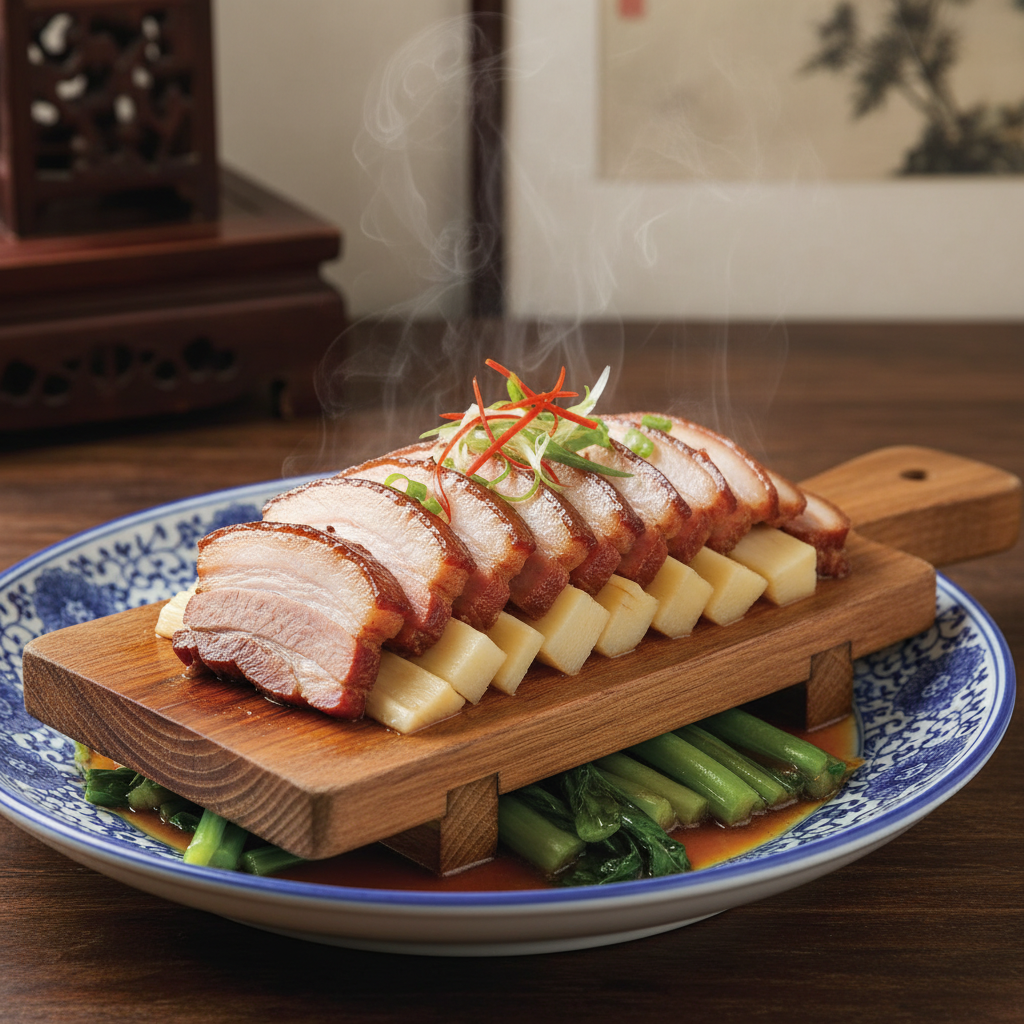
Huizhou Daobanxiang
Huizhou Daobanxiang is a traditional famous dish from the Huizhou region of Anhui, belonging to the Huizhou cuisine family. It uses cured pork belly as the main ingredient, and through a unique cooking process, the meat is fatty but not greasy, savory and palatable, with a unique flavor.
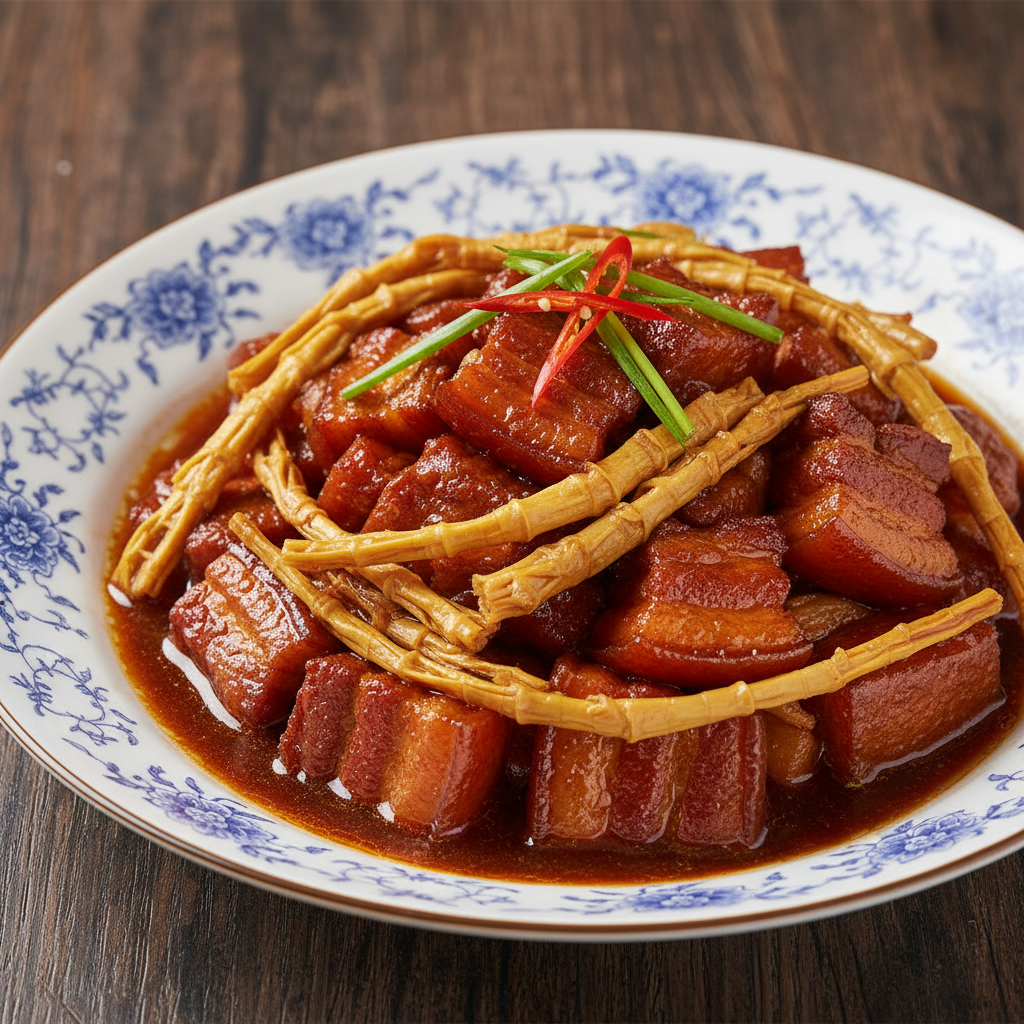
Braised Pork with Dried Bamboo Shoot Skins
Braised Pork with Dried Bamboo Shoot Skins is a dish primarily made with dried bamboo shoot skins and braised pork. Dried bamboo shoot skins are the outer layers of dried bamboo shoots, which develop a unique texture after processing. Braised pork typically refers to Hongshao Rou (red-braised pork), known for its tender, melt-in-your-mouth texture and rich flavor. The combination of these two ingredients creates a distinctive taste.
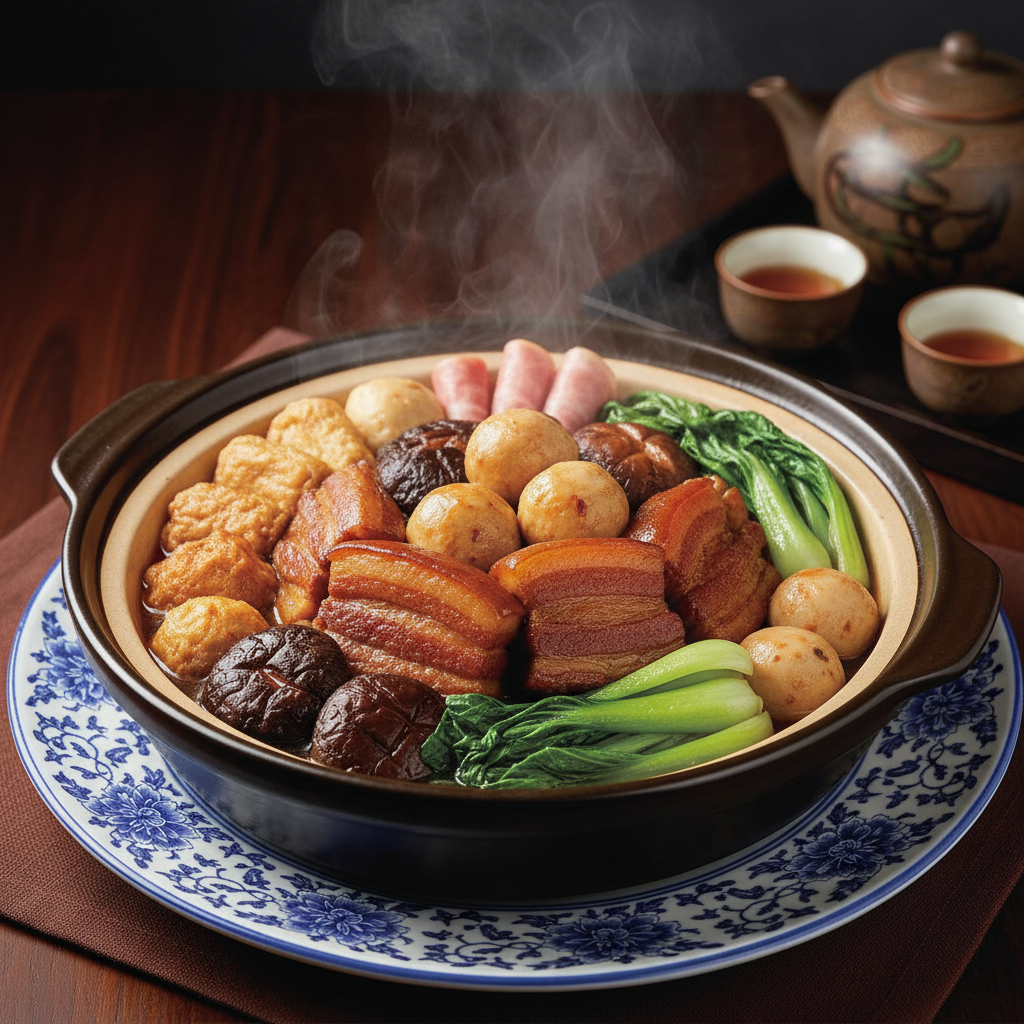
Yipin Pot
Yipin Pot is a traditional famous dish from Huizhou, Anhui, belonging to Anhui cuisine. It is mainly cooked in layers with ingredients such as ham, chicken, pork belly, winter bamboo shoots, shiitake mushrooms, tofu, and fried tofu. It emphasizes original flavors, with a rich and delicious soup.
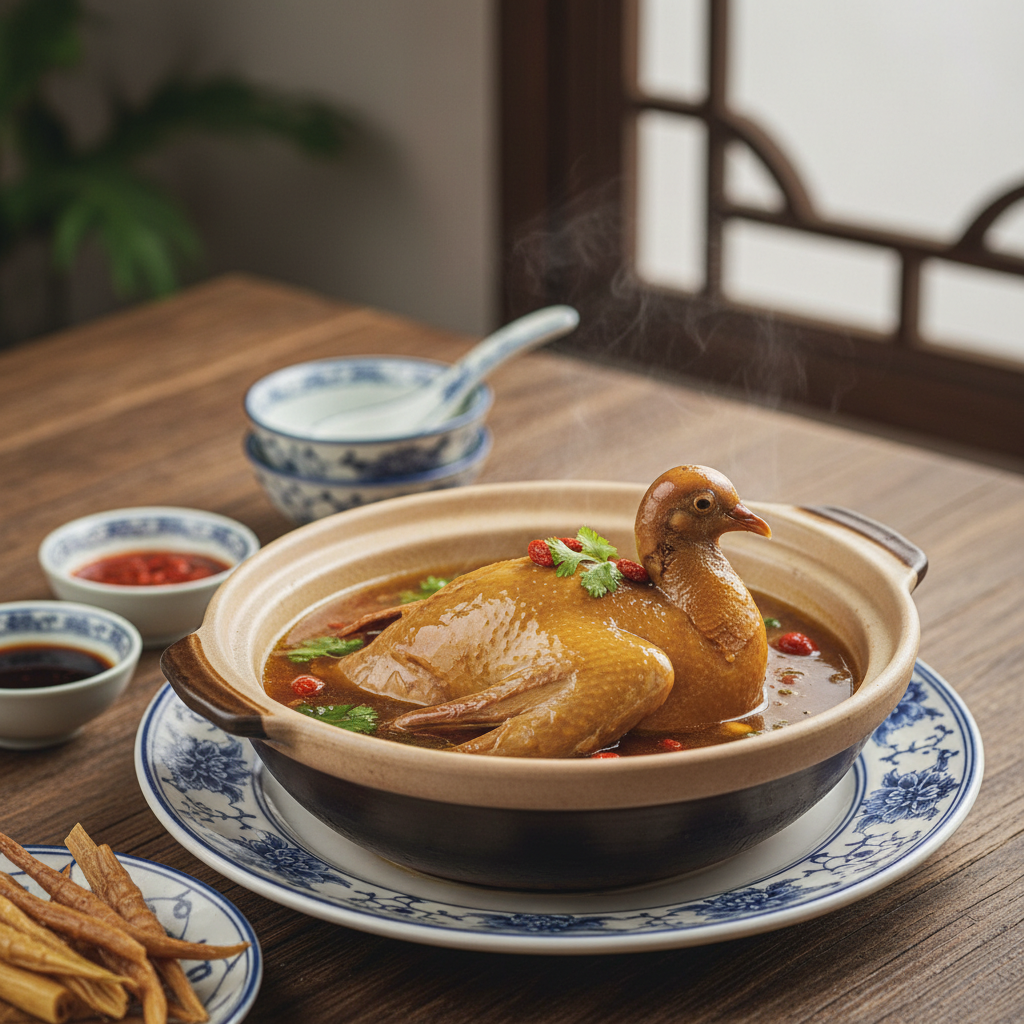
Braised Pigeon with Huizhou Herbs
Huangshan Braised Pigeon is a traditional and historic dish from the Huangshan region of Anhui. It uses high-quality local squab, slow-braised in a clay pot with various nourishing herbs (such as goji berries, red dates, etc.). Its characteristics include clear broth, rich flavor, tender pigeon meat, and abundant nutrition. It is known for its nourishing and health-preserving properties, making it one of the representative dishes of Huizhou cuisine.
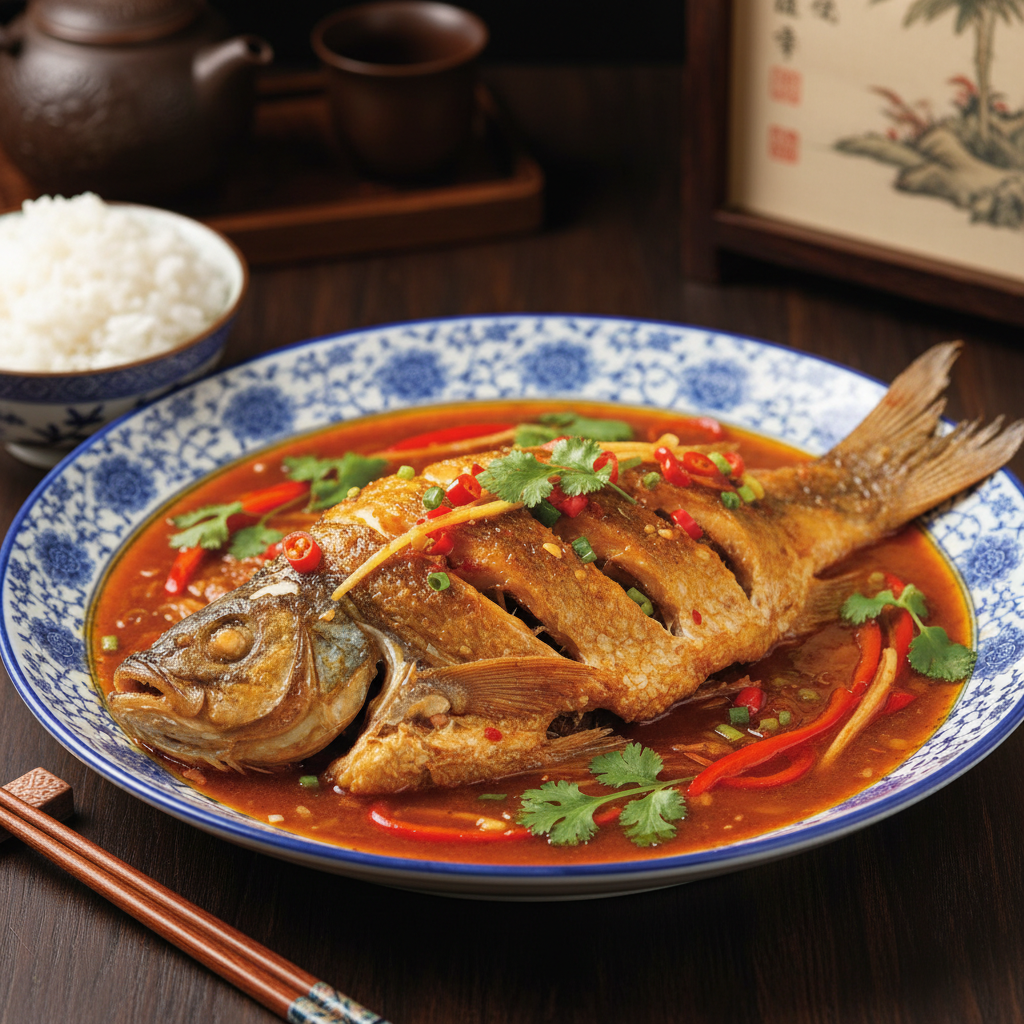
Stinky Mandarin Fish
A traditional Anhui famous dish, made primarily with mandarin fish, processed through a unique pickling and fermentation technique. The fish meat has a slight peculiar smell (stinky smell) when raw, but after cooking, the meat is tender and fresh, with a rich flavor and fragrant aroma, making it one of the representative dishes of Huizhou cuisine.