Travel Guide
Lhasa is the capital of the Tibet Autonomous Region, the second largest city in Tibet, and one of the highest cities in the world, with an altitude of 3,656 meters. Since the mid-17th century, Lhasa has been the religious and administrative capital of Tibet, with many Tibetan Buddhist sites of significant cultural importance, such as the Potala Palace, Jokhang Temple, and Norbulingka.
Best Time to Visit
Spring and Autumn (May-October)
Daily Budget
¥400-800 ($60-120) per day
Getting Around
Airplane, Train, Long-distance bus, Bus, Taxi, Ride-hailing service
Suggested Stay
5-7 days
Must-Visit Attractions
Potala Palace
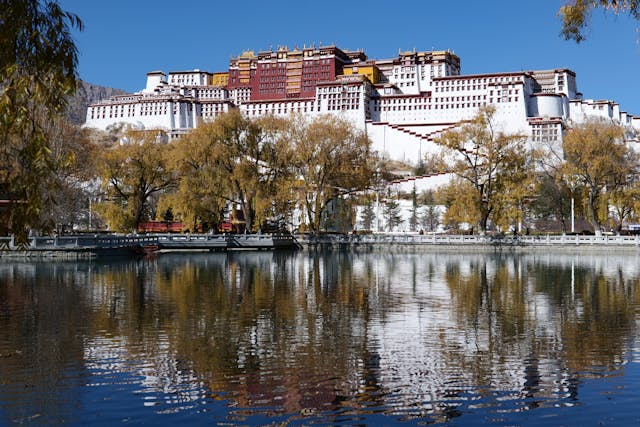
The Potala Palace is located on the Red Hill in the center of Lhasa, Tibet. It is a world-renowned palatial complex, a sacred site of Tibetan Buddhism, and the winter palace of the Dalai Lamas. It integrates palaces, castles, and monasteries, stands at an altitude of about 3700 meters, and consists of the White Palace and the Red Palace. The Potala Palace was first built in the 7th century during the reign of Songtsen Gampo of the Tubo Kingdom, and was later rebuilt in the 17th century, becoming the highest and most magnificent palace in the world. The palace houses countless treasures, murals, and Buddha statues, serving as a treasure trove for understanding Tibetan history, culture, and religious art. In 1994, the Potala Palace was inscribed on the UNESCO World Heritage List.
Tibet Museum
The Tibet Museum is the only modern comprehensive museum in the Tibet Autonomous Region of China, officially opened on October 5, 1999. Its architecture blends traditional Tibetan and modern styles, housing over 520,000 cultural relics, including pottery, jade, and Buddhist statues. Approximately 1,000 artifacts are on permanent display, covering Tibet's cultural history, art, and architectural design.
Jokhang Temple
The Jokhang Temple, located in the heart of Lhasa, is a sacred site of Tibetan Buddhism and a central pilgrimage destination for its followers. It was built by Songtsen Gampo, the King of the Tubo Kingdom, in 640 AD, initially to enshrine the Akshobhya Buddha statue brought by Princess Bhrikuti of Nepal. Later, the 12-year-old Sakyamuni Buddha statue brought by Princess Wencheng when she entered Tibet was also enshrined here, making it one of the most sacred temples in Tibet. The Jokhang Temple blends Tibetan, Tang, and Nepalese architectural styles, enjoys constant incense burning throughout the year, and is an extension project of the Potala Palace historical complex, a World Cultural Heritage site.
Sera Monastery
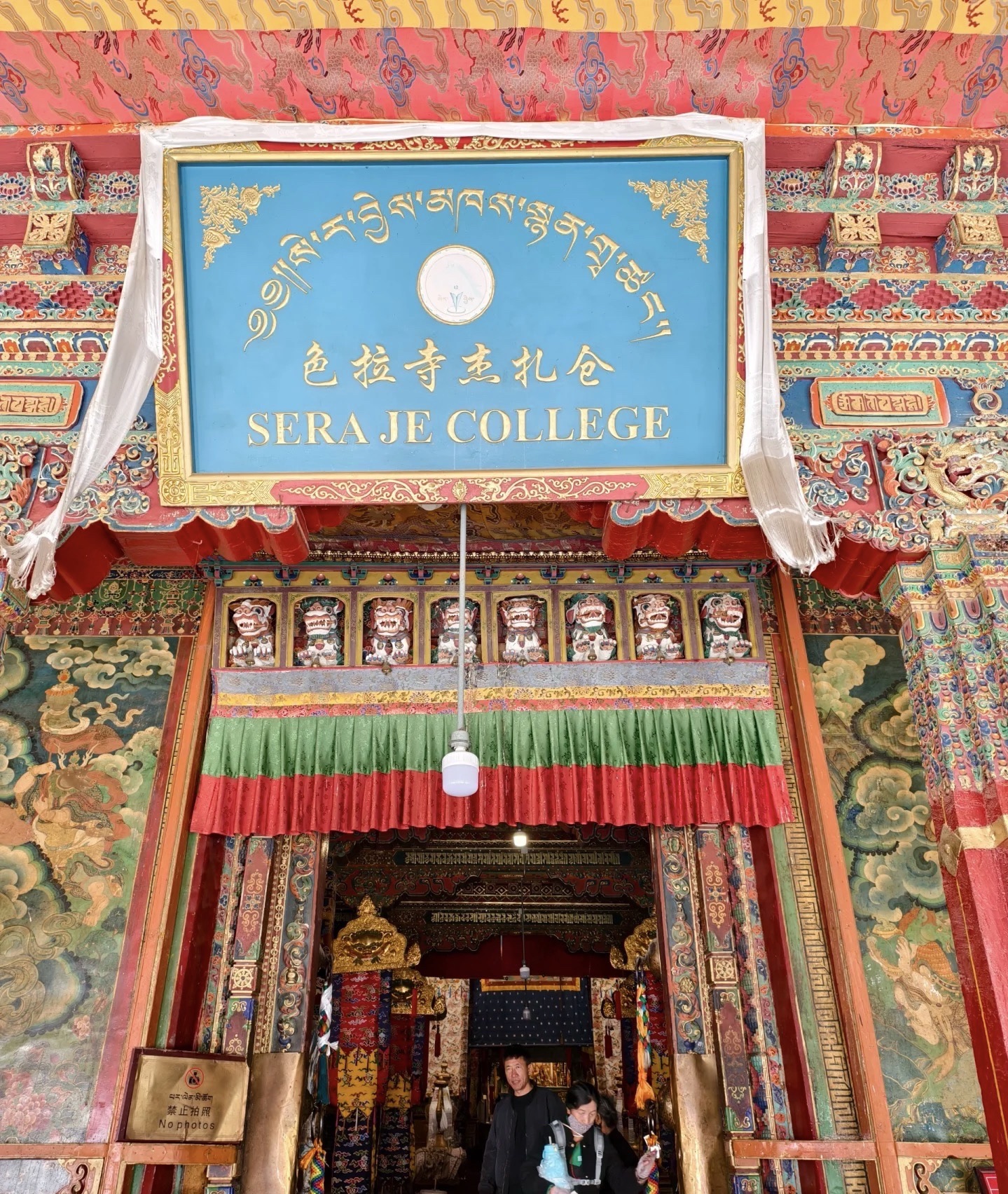
Sera Monastery is one of the three great monasteries of the Gelug school of Tibetan Buddhism, located in the northern part of Lhasa. It was founded in 1419 by Sakya Yeshe, a disciple of Tsongkhapa. The monastic complex includes the Coqen Hall (Great Assembly Hall) and the three Dratsangs (colleges): Sera Je Dratsang, Sera Me Dratsang, and Ngakpa Dratsang, which were important Buddhist academies. Sera Monastery is famous for its unique monk debate activities, attracting many tourists. During the 1959 Lhasa uprising, the monastery suffered severe damage, and a parallel Sera Monastery was later established in India.
Potala Palace Square
Potala Palace Square is located in the heart of Lhasa, Tibet Autonomous Region, China, and is an important public space in front of the Potala Palace. As an excellent place for Lhasa citizens to relax and tourists to admire the Potala Palace, the square offers an open view and magnificent grandeur. The Potala Palace, once the winter palace of the Dalai Lamas, was built in 1645 and is the highest palace in the world, integrating a palace, castle, and monastery into one magnificent structure. The square is one of the best locations for panoramic views of the Potala Palace and also hosts many important festive events.
Drepung Monastery
Drepung Monastery, meaning 'Rice Heap' in Tibetan, is located at the foot of Mount Gephel Utse in the western suburbs of Lhasa. It is one of the three great monasteries of the Gelug school and the largest monastery of Tibetan Buddhism. It was founded in 1416 by Jamyang Chöje Tashi Palden, a disciple of Je Tsongkhapa. It served as the center of the Gelug school and the residence of the Dalai Lamas before the Potala Palace was built. Drepung Monastery is renowned for its rigorous academic studies and is known as 'the Nalanda of Tibet,' referring to the famous Buddhist monastic university in India. Historical records indicate that Drepung Monastery once housed two centers of power: the 'Lower Palace' (Zimkhang 'og ma), associated with future Dalai Lamas, and the 'Upper Palace' (Zimkhang gong ma), associated with the descendants of Sonam Drakpa (a renowned teacher who died in 1554). The Dalai Lamas' estate within Drepung Monastery was known as Ganden Phodrang, built by the 2nd Dalai Lama Gendun Gyatso in 1518. The Tibetan government established by the 5th Dalai Lama also took its name from this estate. In 1936-37, Drepung Monastery was reported to be the largest monastery in the world, housing 7,700 monks, sometimes even as many as 10,000. In the 1950s, Drepung Monastery, along with the other two great Gelug monasteries (Ganden Monastery and Sera Monastery), was re-established in Karnataka, India. Drepung and Ganden are located in Mundgod, while Sera is in Bylakuppe.
Must-Try Local Food
Butter Tea
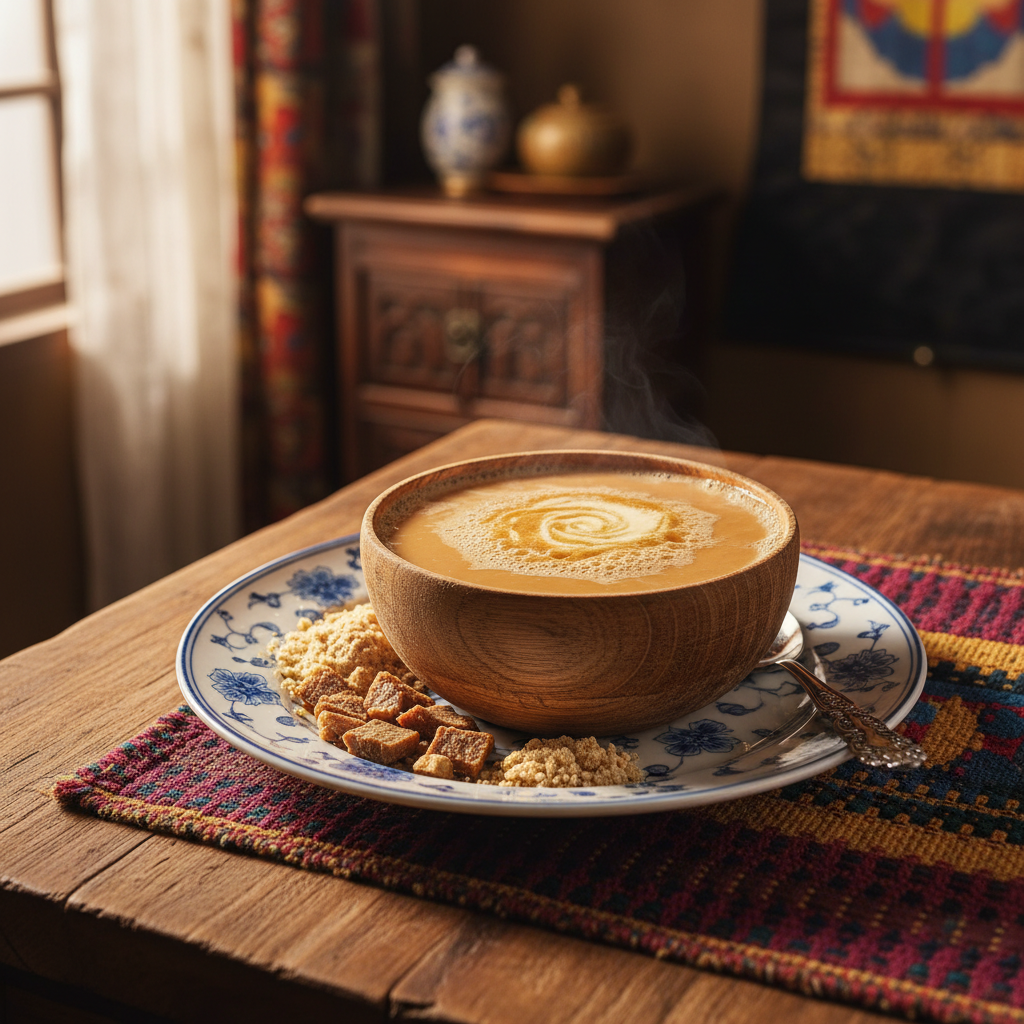
Butter tea is a drink of the people of the Himalayan region (including Nepal, Bhutan, India, Pakistan, Afghanistan, Kazakhstan, Tajikistan, East Turkestan, Tibet, and Western China and Central Asia). Traditionally, it is made from tea leaves, yak milk butter, water, tsampa (roasted barley flour), and salt, though cow milk butter is increasingly used due to easier availability and lower cost. It provides a significant amount of calories, making it particularly suitable for high-altitude regions, and the butter also helps prevent chapped lips.
Tsampa
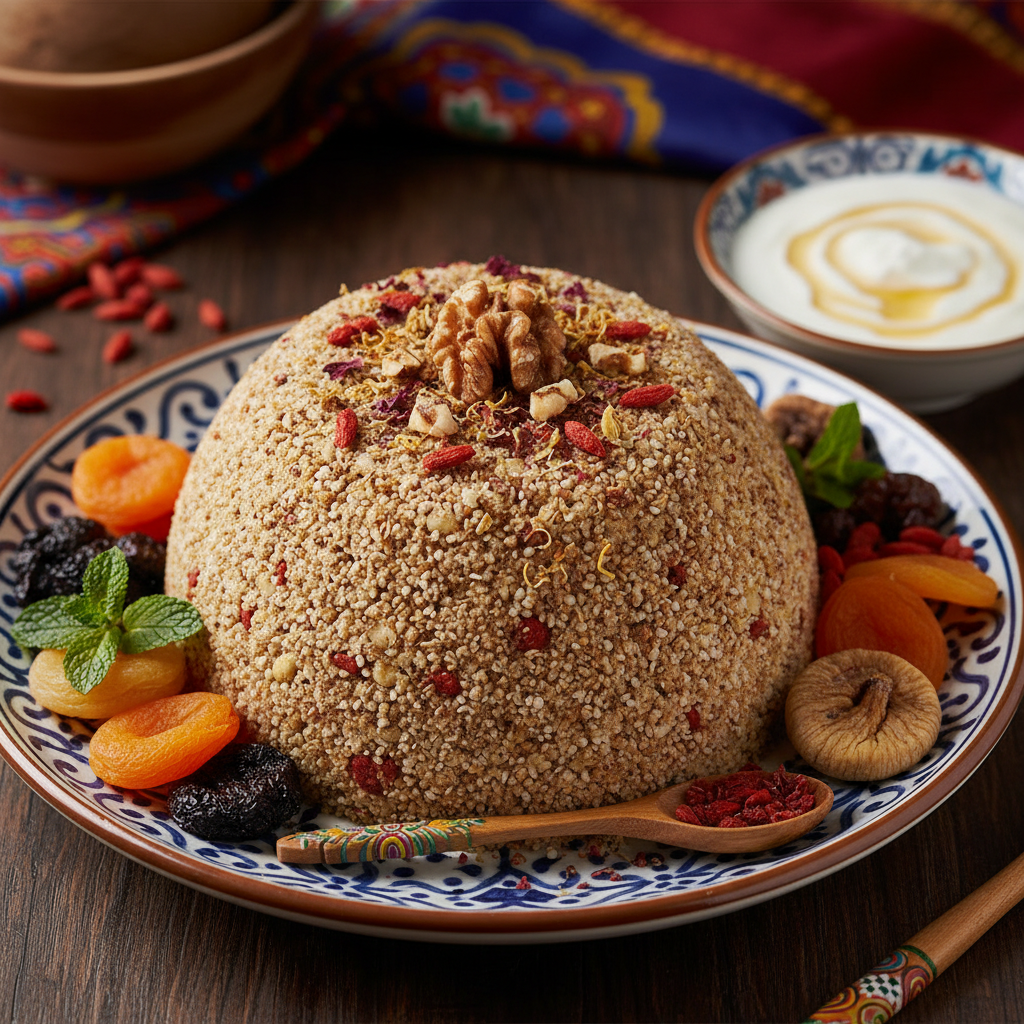
Tsampa is a staple food of the Tibetan and Himalayan regions, also common in northern Nepal. It is a sticky food made from roasted flour, typically barley flour, sometimes also wheat flour and peony seed flour. It is usually mixed and eaten with butter tea.
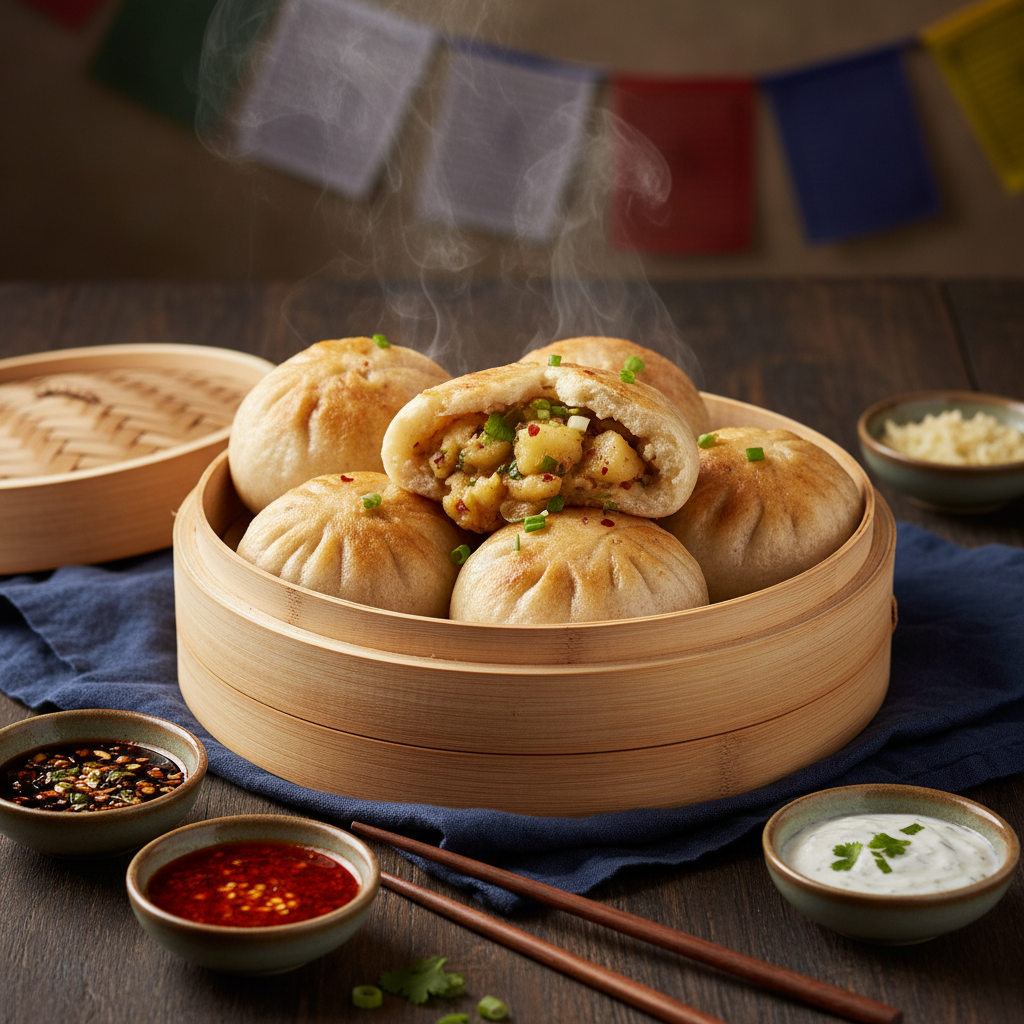
Tibetan Potato Buns
Tibetan potato buns are a characteristic pasta dish from the Tibetan region, typically made with mashed potatoes as the main filling, combined with minced meat, scallions, ginger, and other seasonings. They have a soft and glutinous texture, with the fresh aroma of potatoes and the savory taste of meat, making them a beloved traditional snack among local residents.
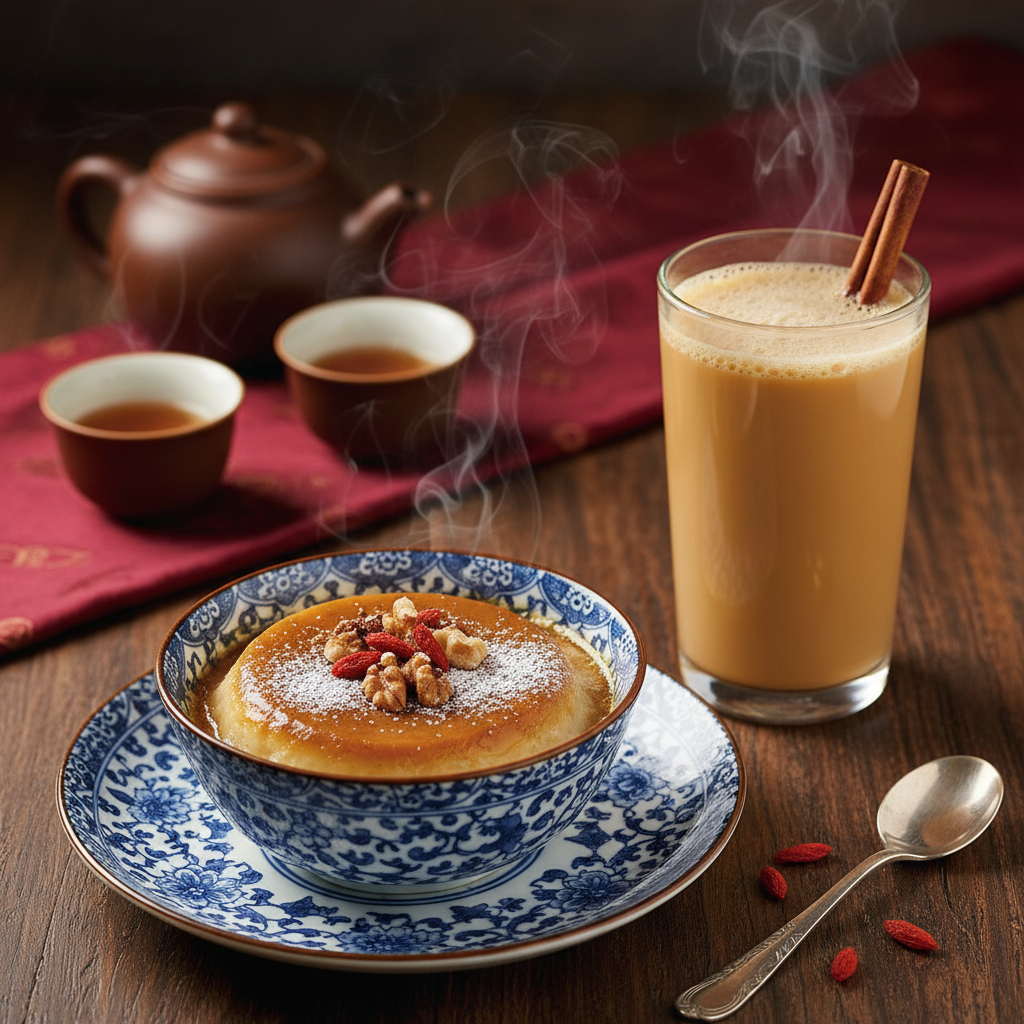
Sweet Tea
Sweet tea is a popular beverage in China, usually referring to tea drinks with a sweet taste. It does not refer to a specific type of tea, but rather broadly to tea flavored with added sugar, honey, or other sweeteners. In different regions and contexts, sweet tea can refer to various specific beverages, such as milk tea, fruit tea, or certain traditional sweet teas.
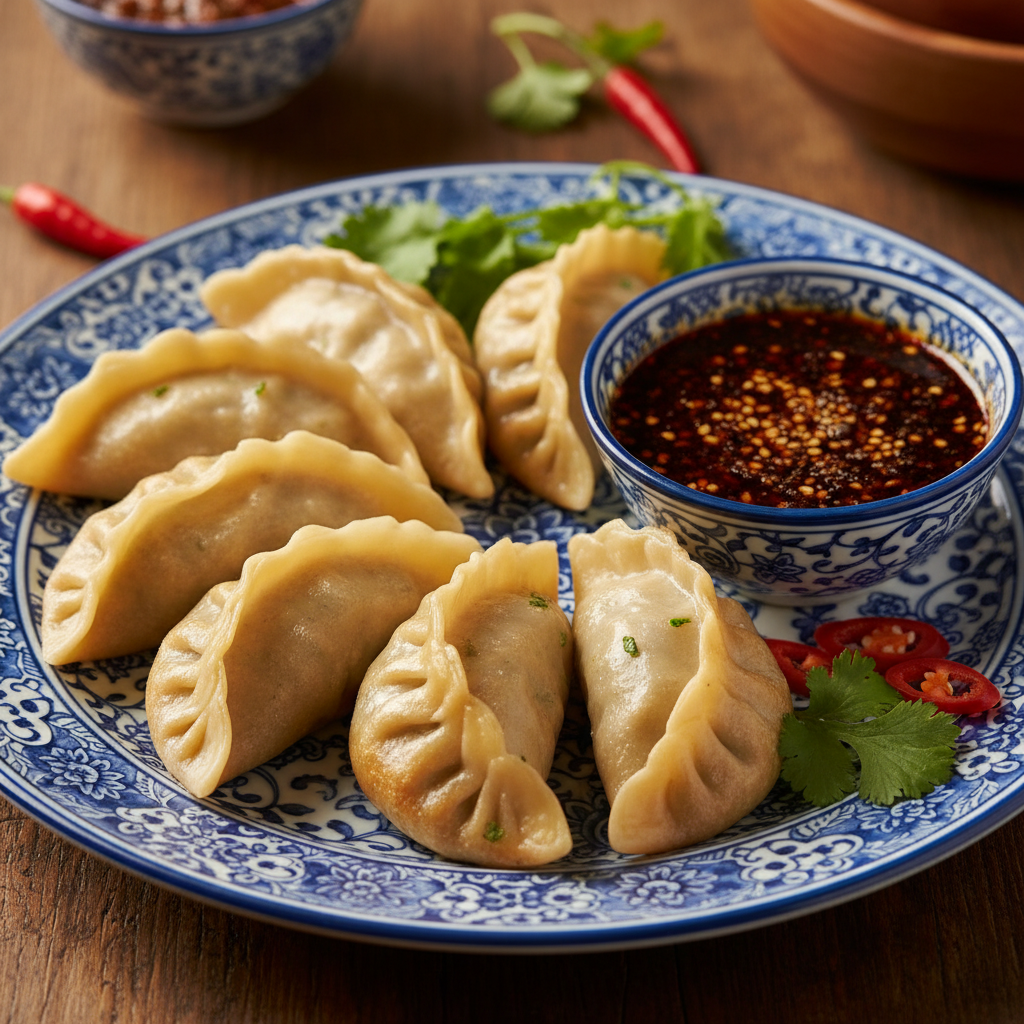
Tibetan Yak Meat Dumplings
A traditional Tibetan delicacy, dumplings made with yak meat as the main filling, usually steamed or boiled with dough wrappers.
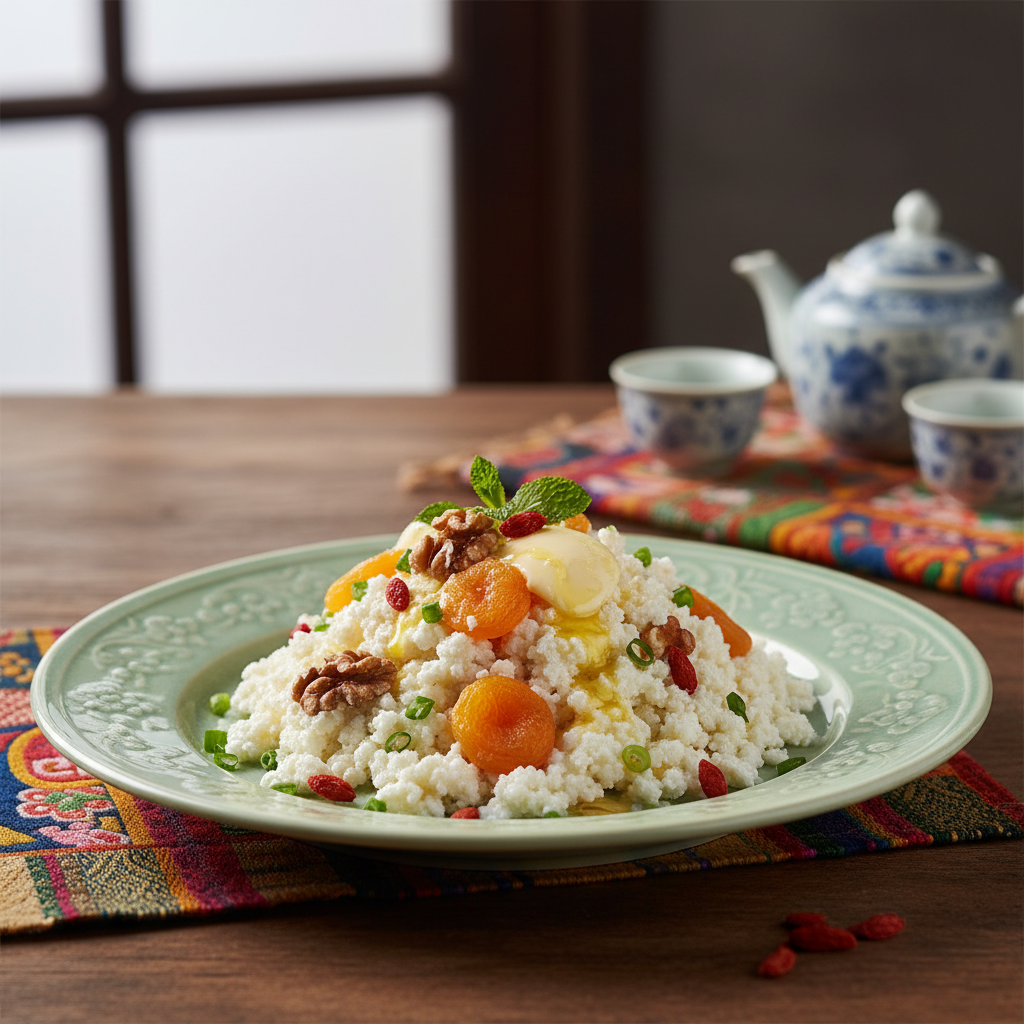
Nai Zha
A traditional dairy product, usually made from cow, sheep, or yak milk. It is made by fermenting, solidifying, and drying the leftover milk after extracting butter or cheese. It is relatively common in pastoral areas of China, such as those inhabited by Tibetans and Mongolians.