Travel Guide
Luoyang is located in western Henan Province, China, at the confluence of the Luo River and the Yellow River. It is one of the oldest cities in China and one of the cradles of Chinese civilization, and the earliest of China's four ancient capitals. As of the end of 2022, the permanent resident population of Luoyang City was 7.079 million. Luoyang's history can be traced back to the Xia Dynasty in 2070 BC and has been the capital of several dynasties, including the Eastern Han and Eastern Zhou.
Best Time to Visit
Spring and Autumn (best during the Peony Fair in April)
Daily Budget
¥400-800 ($60-120) per day
Getting Around
Subway, Bus, Taxi, Ride-hailing, Long-distance bus, High-speed rail
Suggested Stay
2-3 days
Must-Visit Attractions
Luoyang Museum
The Luoyang Museum is a history museum located in Luoyang, Henan Province, China, situated in the Yellow River Valley. It showcases Luoyang's rich cultural heritage, as Luoyang was an important cultural center in China and served as the capital for several Chinese dynasties, including the Eastern Zhou and Eastern Han. The museum was first built in 1958, moved to the north side of Zhongzhou Road in 1973, and officially opened to the public on May 1, 1974. It houses artifacts excavated from the suburbs and old city of Luoyang, including antiques from palaces and temples. These artifacts establish Luoyang's history and display cultural elements from nine ancient capitals, spanning from the Neolithic Age to 937 AD. The museum building adopts a Chinese Tang Dynasty architectural style, with its facade decorated with Eastern Han 'Hundred Flowers' lantern paintings. It features four exhibition halls and five exhibition rooms, covering a total area of 20,000 square meters, with a building area of 10,000 square meters. The museum's collection is arranged according to the evolution of social structure, starting from primitive society, followed by slave society and feudal society. Exhibitions are also arranged by ancient cultural sequence, beginning with Heluo culture, followed by Yangshao culture, Longshan culture, Xia (21st century BC - 17th century BC), Shang (17th century BC - 11th century BC), and Zhou (11th century BC - 256 BC).
Longmen Grottoes
The Longmen Grottoes are an outstanding example of Chinese Buddhist art, located 12 kilometers south of Luoyang City, Henan Province, between Xiangshan and Longmenshan mountains on both banks of the Yi River. Here, there are over 100,000 statues of Sakyamuni Buddha and his disciples, with sizes ranging from 25 millimeters to 17 meters, many of which were once painted. The grottoes are carved into limestone cliffs, including external rock reliefs and internal artificial caves. The Yi River flows northward between the two mountains, and the area was once known as Yique ('Gate of the Yi River'). The alternative name 'Longmen Grottoes' (Dragon Gate Grottoes) derives from the two peaks that control the flow of the Yi River, resembling the 'Chinese city gate towers' that once marked the southern entrance to Luoyang. Within the grottoes area, there are also nearly 2,500 steles and inscriptions, hence it is known as the 'Forest of Ancient Steles,' as well as over 60 Buddhist pagodas. The grottoes are situated in a beautiful natural environment, carved along 1 kilometer of cliffs on both banks of the Yi River. Among them, 30% of the grottoes were carved during the Northern Wei Dynasty, 60% during the Tang Dynasty, and less than 10% from other periods. Beginning in 493 AD during the Northern Wei Dynasty, donors included emperors, Empress Wu Zetian, imperial family members, other wealthy families, generals, and religious groups. In 2000, the site was inscribed on the UNESCO World Heritage List for the perfection of its art forms and its embodiment of the essence of Tang Dynasty culture, hailed as an 'outstanding manifestation of human artistic creativity.'
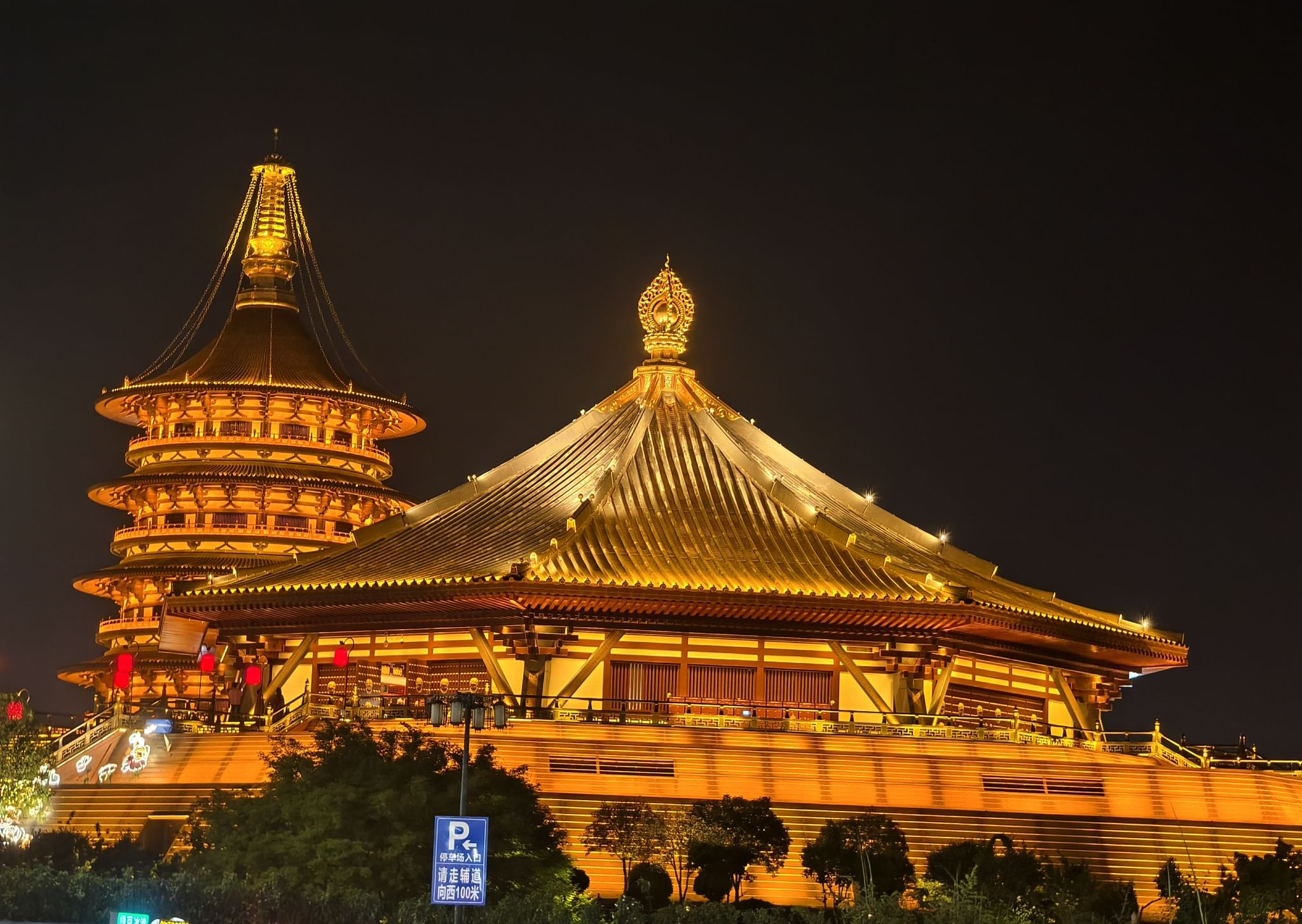
Mingtang Tiantang Scenic Area
Mingtang Tiantang Scenic Area is located in the Old Town of Luoyang City, Henan Province, and is an important part of the Sui and Tang Luoyang City National Heritage Park. The scenic area features Mingtang and Tiantang, the main halls of the Ziwei Palace in Luoyang Imperial City during the reign of Empress Wu Zetian, showcasing the magnificent palace complex of the prosperous Tang Dynasty. It is an important window into understanding Wu Zhou culture and the history of the Sui and Tang dynasties.
Erlitou Xia Capital Site Museum
The Erlitou Xia Capital Site Museum is a museum primarily dedicated to exhibiting archaeological artifacts of the Erlitou culture. The Erlitou culture is a Chinese Bronze Age culture, which Chinese researchers believe may have been the capital of the proto-historic Xia Dynasty. The museum is located in Sijiaolou Village, Dianzhuang Town, Yanshi District, Luoyang City, Henan Province, approximately 300 meters north of the Erlitou Site Protection Area and south of Gucheng Expressway. The museum was jointly constructed and is managed by the Luoyang Municipal Government and the Institute of Archaeology, Chinese Academy of Social Sciences. The museum covers an area of approximately 246 mu (about 16.4 hectares), with a total building area of 31,781 square meters. It comprises four sections: public area, business area, administrative area, and the Early China Research Center. The overall structure is steel, with a total height of 22.9 meters. The architectural design of the museum was completed by Professor Li Li's team from Tongji University. The museum building extensively uses rammed earth and bronze decorations. The surrounding extended buildings and the first-floor exterior decorative surface of the museum all use rammed earth, with a total of 4,000 cubic meters of rammed earth used. Above the first-floor rammed earth decoration, the inner and outer facades and the roof of the museum's second floor are adorned with aged bronze decorative panels, covering a total area of over 30,000 square meters. The inner and outer facades of the museum's second floor feature 22,983 bronze panels, and the roof has 4,659 bronze panels. The museum houses five permanent exhibition halls, with Halls 1, 2, and 3 on the first floor, and Halls 4 and 5 on the second floor. The second floor also features two temporary exhibition halls.
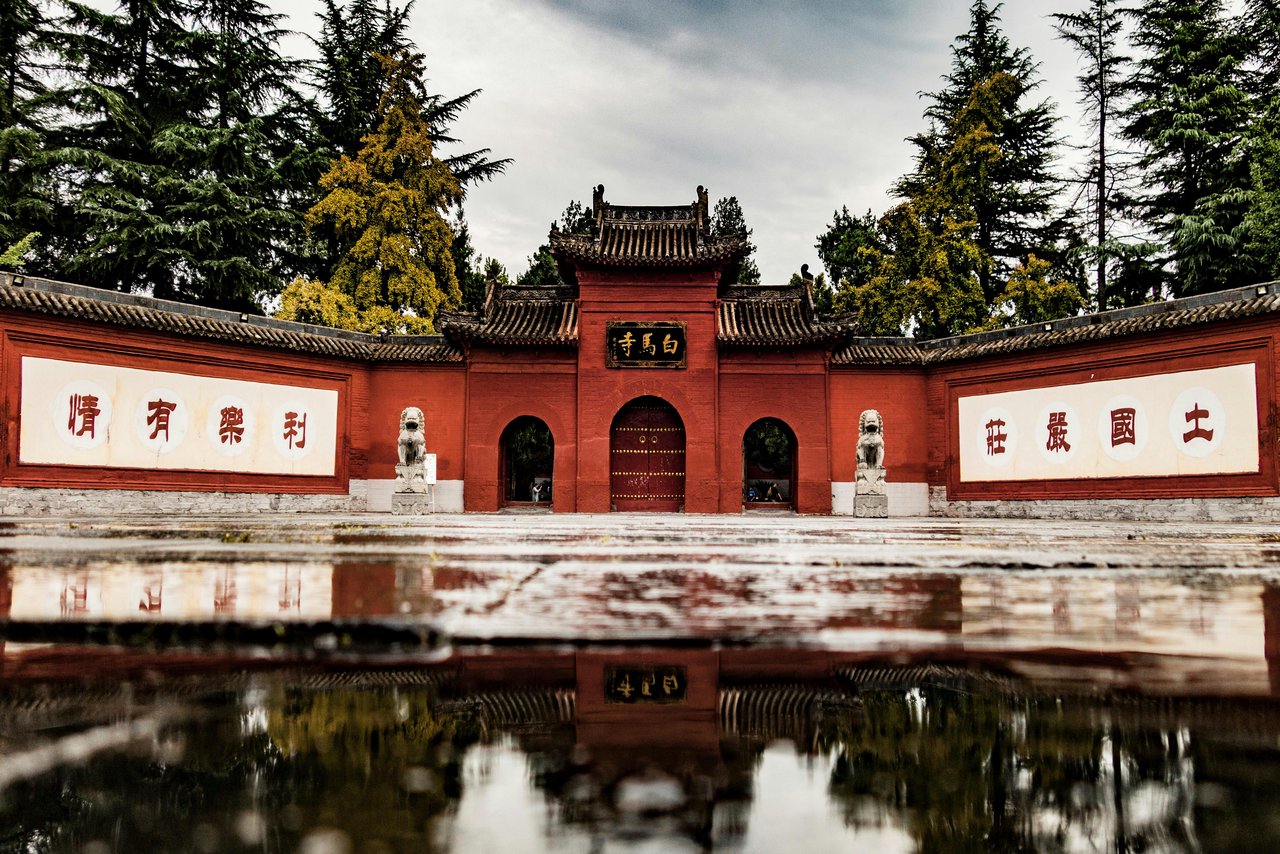
White Horse Temple
White Horse Temple is located in Luoyang City, Henan Province, and is China's first ancient temple. It is renowned as the 'Cradle of Chinese Buddhism' and the 'Source of Buddhism'. It was first built in the 11th year of Yongping reign during the Eastern Han Dynasty (68 AD), making it the first official Buddhist temple constructed after Buddhism was introduced to China. The temple houses a large number of precious Buddhist relics and historical sites, including the Qingliang Platform, the Great Buddha Hall, and the Putong Pagoda. White Horse Temple is not only the birthplace of Chinese Buddhism, but also an important venue for cultural exchange between China and other countries, carrying a rich historical and cultural heritage.
Sui-Tang Luoyang City Yingtianmen Site Museum
Yingtianmen, initially built in 605 AD (the first year of Daye in the Sui Dynasty), was originally named Zetianmen. In 705 AD (the first year of Shenlong), it was renamed Yingtianmen to avoid Empress Wu Zetian's given name. The gate was destroyed during the Northern Song Dynasty and rebuilt on its original site in 2016. Yingtianmen served as an important venue for ceremonies and celebrations during the Sui, Tang, and Wu Zhou dynasties. Emperor Gaozong of Tang once issued an edict here to release the King of Baekje, and Wu Zetian also ascended to the throne as empress here. The reconstructed Yingtianmen city gate stands 35 meters high and 25 meters deep, situated on a 9.2-meter-high base. The base houses a museum showcasing the ancient relics of Yingtianmen. Today, Yingtianmen has become a city landmark in Luoyang and features a public square for citizens to visit and relax.
Must-Try Local Food
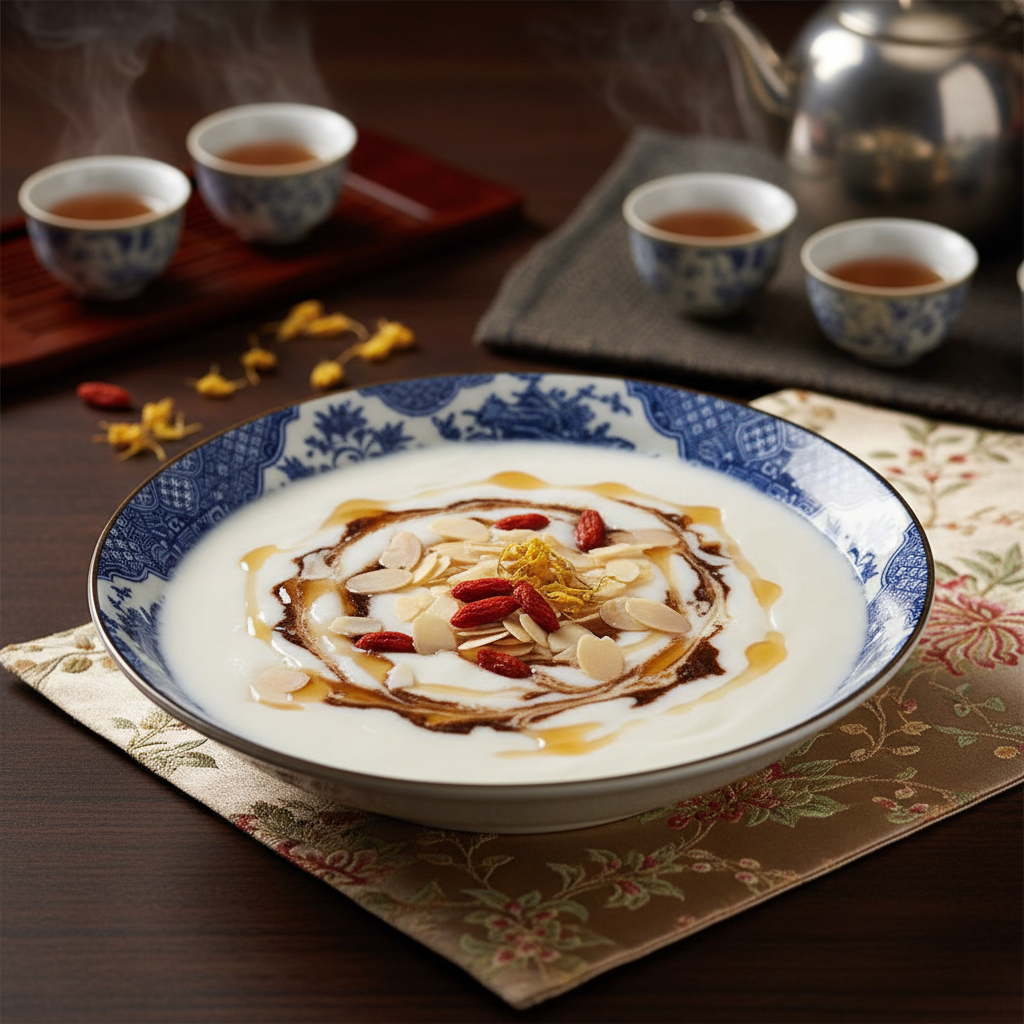
Luoyang Almond Tea
A beverage made primarily from almonds, with a sweet taste and unique almond flavor, it is a common specialty drink in the Luoyang area.
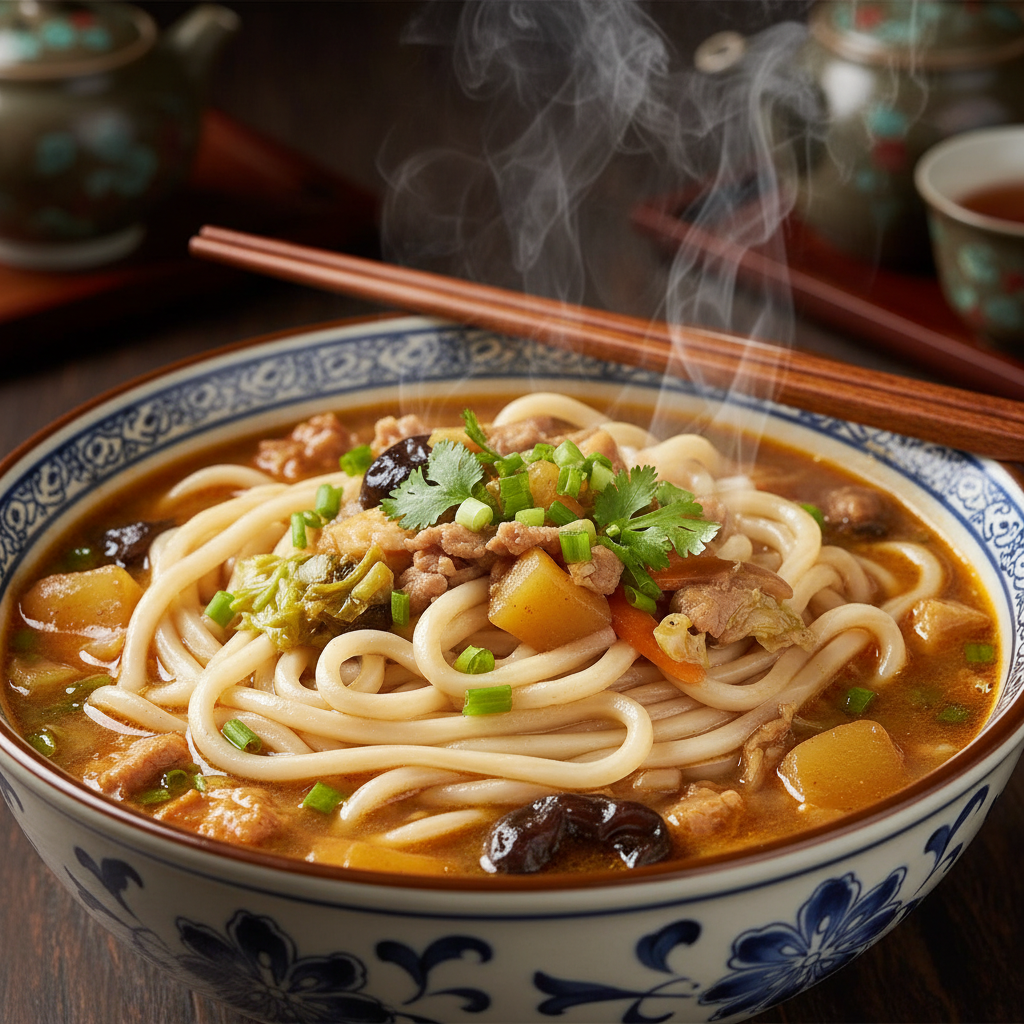
Jiang Mian Tiao
Jiang Mian Tiao, also known as Jiang Fan, is a local delicacy from Henan, China. It is a unique noodle dish made with fermented soybean milk, known for its simple preparation, affordability, delicious taste, unique sourness, and digestive benefits. This food is commonly sold as street food or in markets and train stations. Jiang Mian Tiao, together with Huimian and Xiaolongbao, is considered one of the three major noodle dishes in the Central Plains region. It resembles Hutumian in appearance but is an entirely different dish. Various regions in Henan have different variations of Jiang Mian Tiao at different times, with Luoyang Jiang Mian Tiao being the most famous.
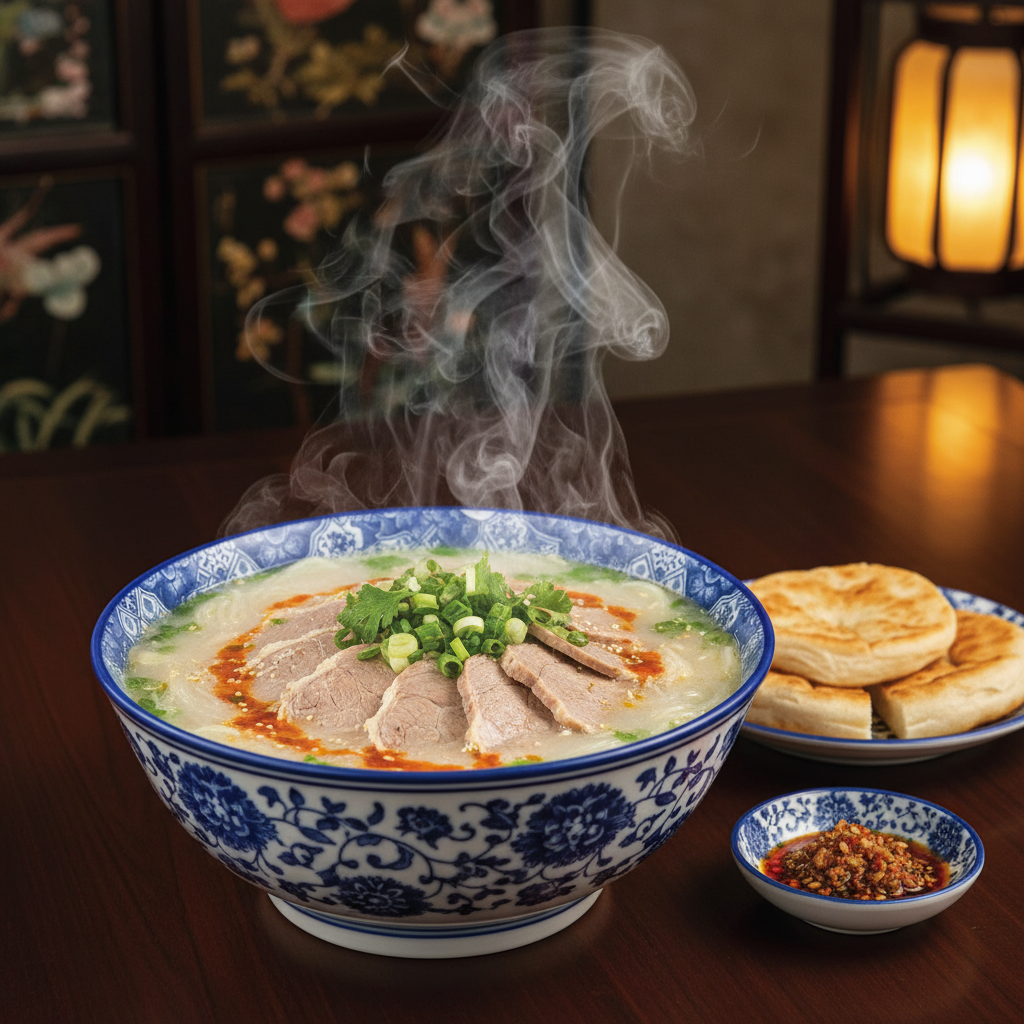
Luoyang Lamb Soup
A local specialty of Luoyang, made by simmering lamb and lamb bones. The soup is milky white, the meat is tender, and the flavor is rich and mellow. Often served with vermicelli, cilantro, and chopped green onions, it is a common nourishing delicacy in the local area during winter.
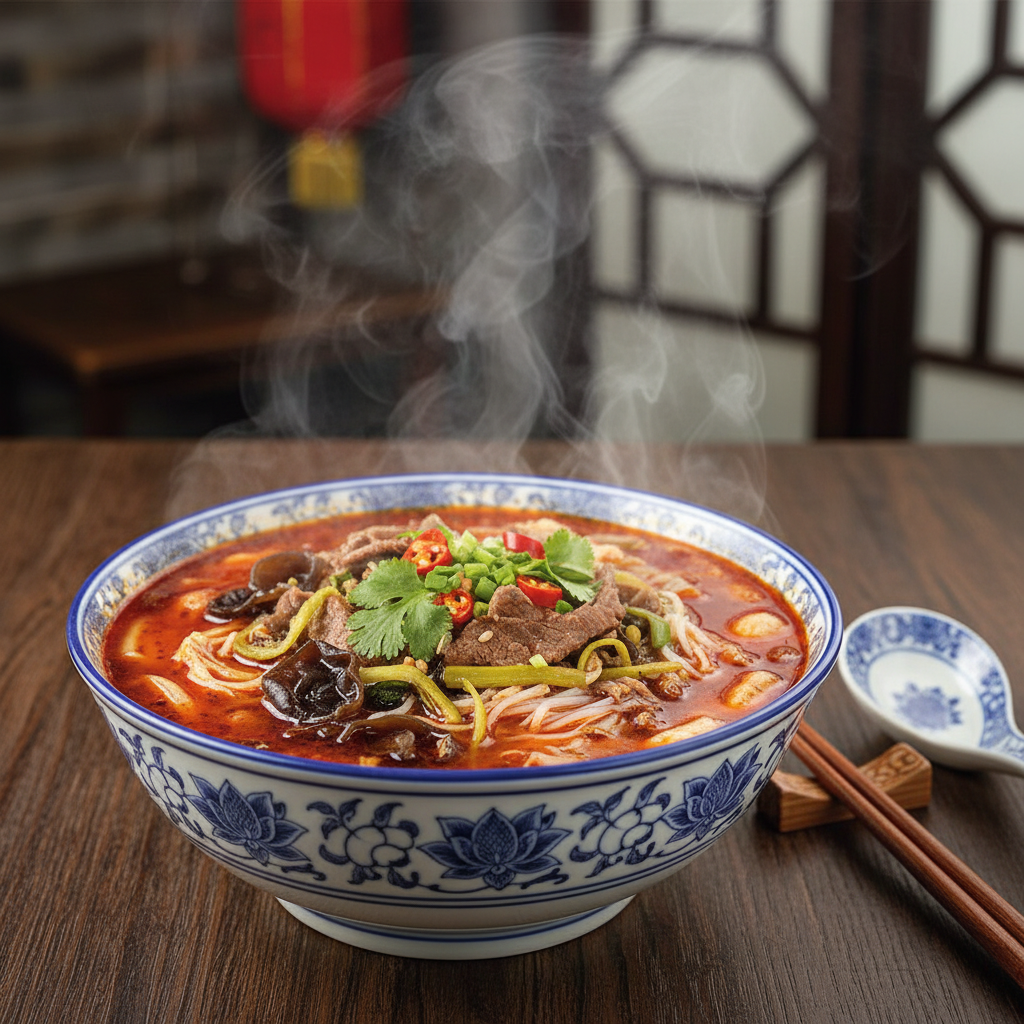
Hu La Tang
Hu La Tang, also known as Spicy Soup or Mala Soup, is a traditional Chinese soup originating from Henan Province, popular in both Henan and Shaanxi provinces. It was introduced to the United States by Chinese immigrants, where it is known as "Spicy Soup." In Henan, it can be divided into two distinct versions: the Xiaoyao Town version (a town near Zhoukou City) and the Beiwudu version. As the name suggests, pepper and chili are added to a broth made from beef stock.
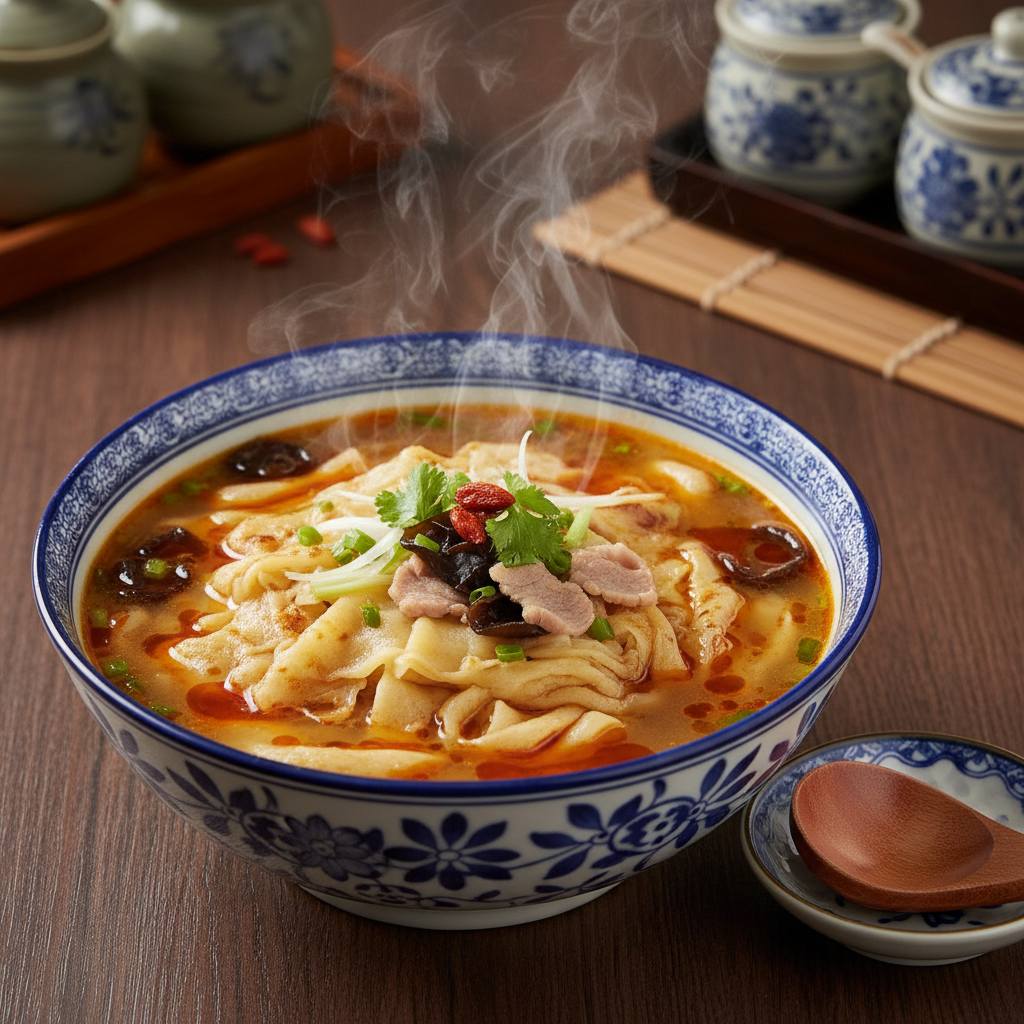
Bufan Tang
Bufan Tang is a traditional snack from Luoyang, Henan. It gets its name because during its preparation, the dough skin in the pot doesn't need to be flipped; it's simply served by pouring broth over it. Its characteristics include delicious soup, thin and smooth dough skin, rich ingredients, and a sour and spicy taste.
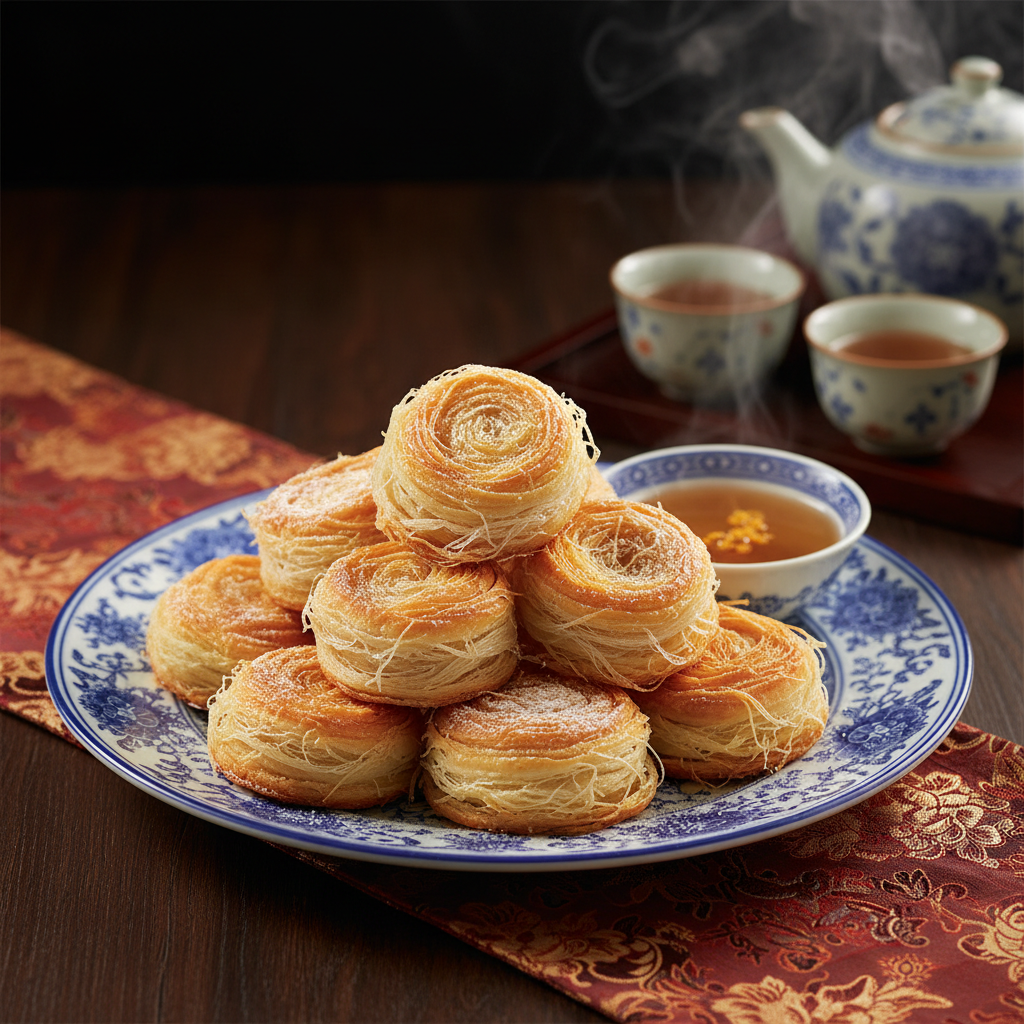
Yin Si Su
Yin Si Su, also known as Dragon's Beard Candy, is a traditional Chinese handmade confection, similar to Turkish pişmaniye or Western cotton candy. It originated in China and later became popular in East Asia and Southeast Asia, becoming a local delicacy in Korea in the 1990s and popular in Singapore in the 1980s, before being introduced to Canada and the United States. Yin Si Su has a low sugar content (19%) and low saturated fat content (2%). It is very sensitive to moisture, easily melts in warm environments, and has a very short shelf life.