Travel Guide
Macau is a special administrative region of the People's Republic of China and the most densely populated region in the world. It was formerly a Portuguese colony and returned to China in 1999. Macau retains a unique blend of Portuguese and Chinese architectural styles, and its historic center was designated a UNESCO World Heritage Site in 2005. The gambling industry is seven times the size of Las Vegas. It has one of the highest GDP per capita and GDP per capita at purchasing power parity in the world, with a Human Development Index of 0.934 and the third highest life expectancy in the world. Two-thirds of its land area has been reclaimed from the sea.
Best Time to Visit
Autumn (October-December)
Daily Budget
¥400-800 ($60-120) per day
Getting Around
Bus, Taxi, Hotel Shuttle Bus, Walking
Suggested Stay
2-3 days
Must-Visit Attractions
Macau Tower
The Macau Tower Convention & Entertainment Centre, also known as Macau Tower, is a sightseeing tower located in Macau. It stands 338 meters (1,109 feet) tall from the ground to its highest point. Its observation deck features panoramic views, restaurants, theaters, a shopping mall, and the 'Skywalk X' – a walking tour around its outer rim. It offers the best views of Macau and has been used for various adventure activities in recent years. The Macau Tower's 233-meter (764-foot) tethered 'Skyjump' and bungee jump are the world's highest commercial Skyjump and the world's second-highest commercial decelerated descent facility, surpassed only by the 252-meter Skyjump at the Stratosphere Hotel in Las Vegas. The tower was designed by Moller Architects and is a member of the World Federation of Great Towers. Besides sightseeing and entertainment, the tower is also used for telecommunications and broadcasting. It and the Grand Lisboa Hotel are the most recognizable landmarks on the Macau skyline.
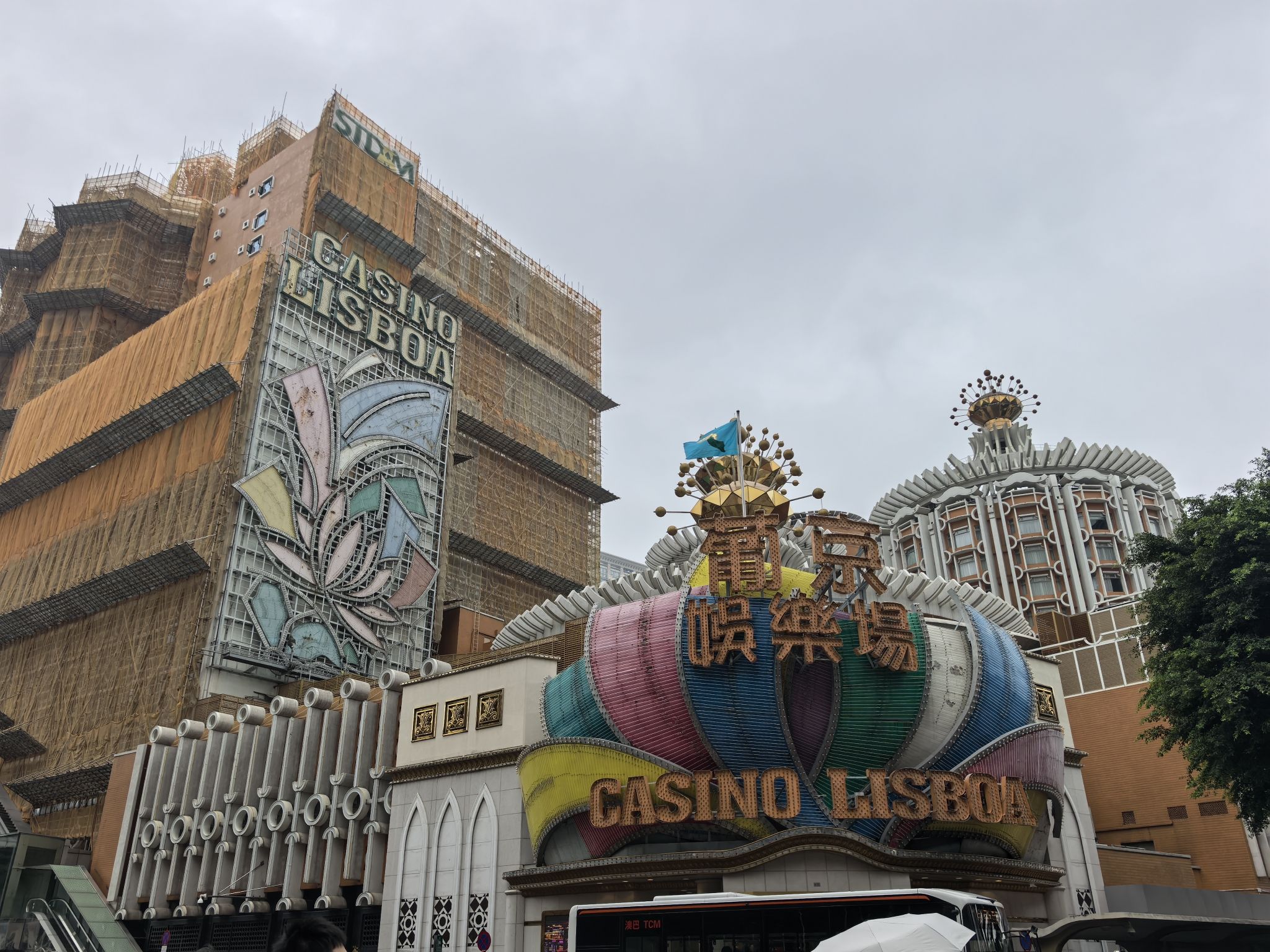
Grand Lisboa Casino
Grand Lisboa Casino (Grand Lisboa) is a 47-story, 261-meter-tall hotel located on the Macau Peninsula, owned and operated by SJM Holdings Limited. It was designed by Hong Kong architects Dennis Lau and Ng Chun Man, with interiors created by Khuan Chew, design director of KCA International. Its casino and restaurants opened on February 11, 2007, and the hotel opened in December 2008. The casino features 800 gaming tables and 1,000 slot machines. The hotel has 430 guest rooms and suites. Grand Lisboa is the tallest building in Macau and a distinctive part of its skyline.
The Parisian Macao
The Parisian Macao is an integrated resort located on the Cotai Strip in Macao, owned by Las Vegas Sands Corporation. Its iconic landmark is a half-scale replica of the Eiffel Tower. The resort features approximately 2,700 hotel rooms and suites, 170 shops, 56,000 square feet of meeting space, a 1,200-seat theatre, and a casino with 150 gaming tables. Its interior design is filled with modern French charm, featuring large fountains and an atrium.
The Venetian Macao
The Venetian Macao Resort Hotel is a hotel and casino resort owned by the Las Vegas Sands Corporation of the United States in Macao. This 39-story building, located on the Cotai Strip in Macao, boasts a floor area of 980,000 square meters and is modeled after its sister resort, The Venetian Las Vegas. It is the largest casino in the world, the largest single hotel in Asia, and the tenth largest building in the world by floor area. The main hotel building was completed in July 2007, and the resort officially opened on August 28, 2007. It features 3,000 suites, 110,000 square meters of convention space, 150,000 square meters of retail space, 51,000 square meters of casino space (with 3,400 slot machines and 800 gaming tables), and the Cotai Arena, which can accommodate 15,000 people for entertainment and sporting events. Its principal architects were Aedas and HKS, Inc., who were responsible for its design, coordination, and implementation.
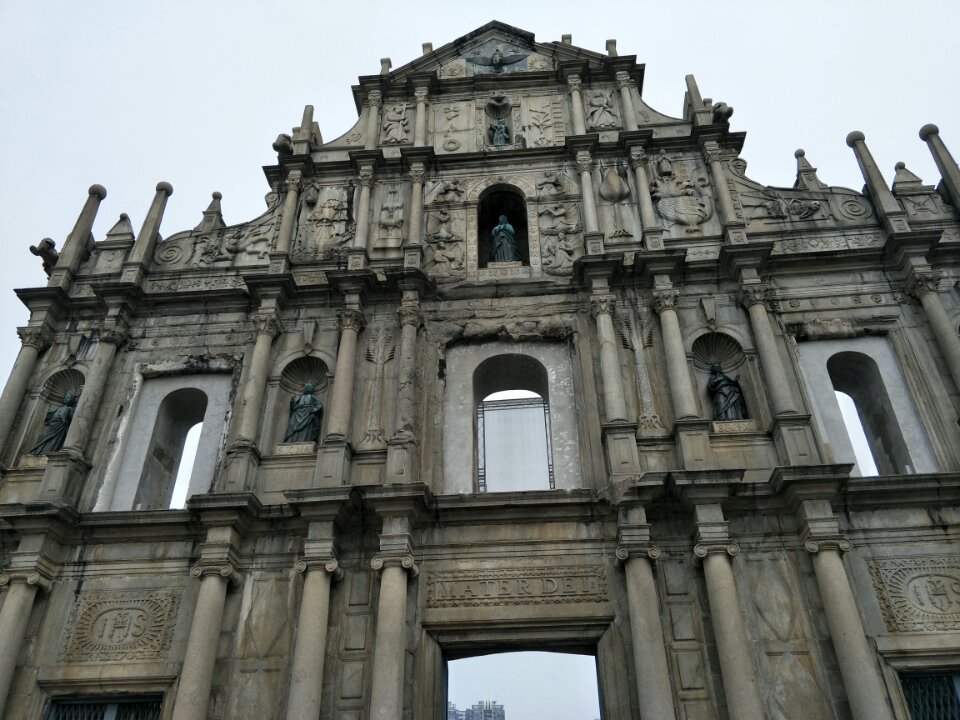
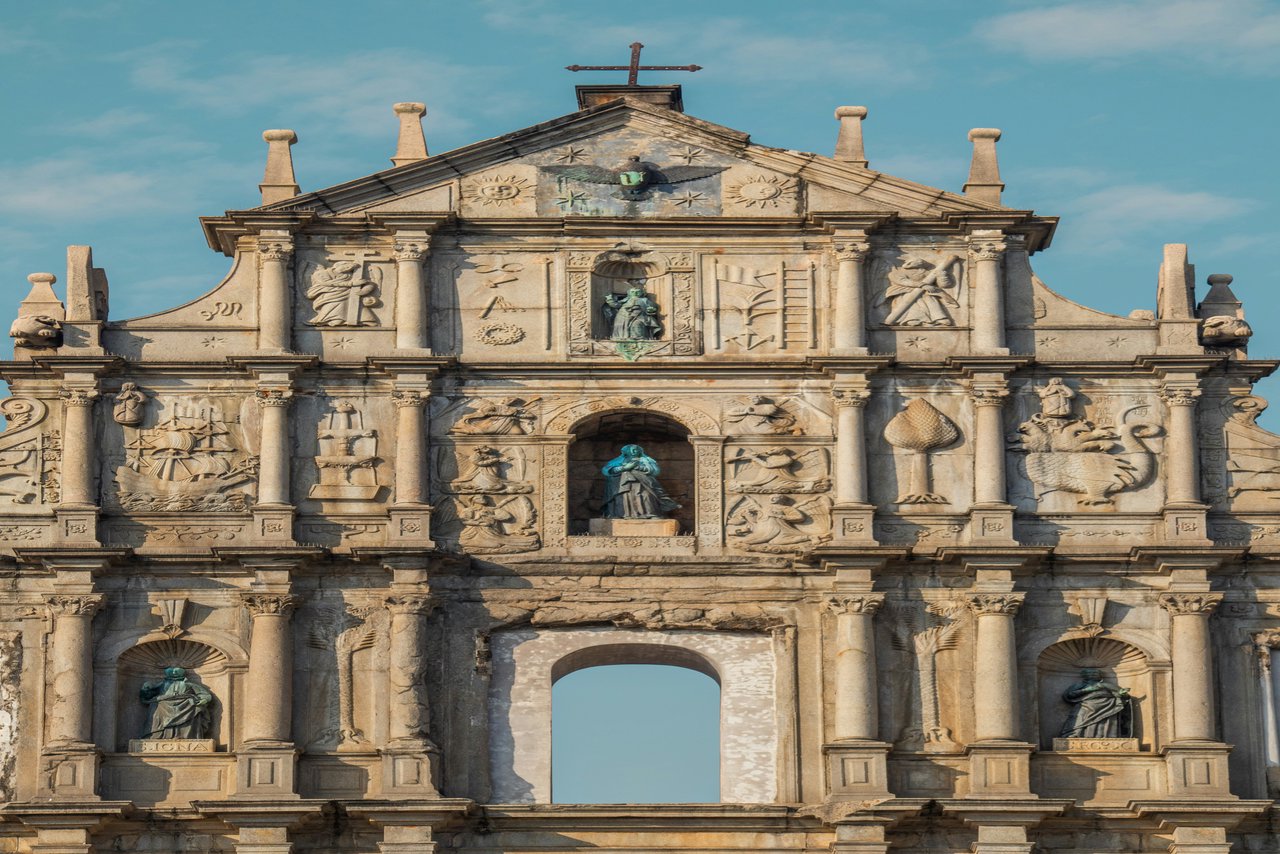
Ruins of St. Paul's (Temporarily Closed)
The Ruins of St. Paul's (Portuguese: Ruínas de São Paulo) are the remains of a 17th-century Catholic church complex in Macau, located in St. Anthony Parish. It includes St. Paul's College and St. Paul's Church (also known as the 'Church of Mater Dei'), a 17th-century Portuguese church dedicated to St. Paul the Apostle. Today, the Ruins of St. Paul's are one of Macau's most famous landmarks and were rated by the Portuguese government in 2010 as one of the Seven Wonders of Portuguese Origin in the World. In 2005, it was officially listed as part of the UNESCO World Heritage site 'Historic Centre of Macau'. The church was built by the Jesuits between 1602 and 1640, during which time Portugal and Spain were under a single crown, and was one of the largest Catholic churches in Asia at the time. On January 26, 1835, it was destroyed by fire during a typhoon. Mount Fortress overlooks the ruins. Today, only the stone facade of the ruins remains. The archway stands on a small hill, with 68 stone steps leading up to it. The facade is altar-shaped, with the theme of the Assumption of Mary. Influenced by the Japanese Christian artisans involved in its construction, the Ruins of St. Paul's contain carvings with pagan imagery derived from Asian traditions, including the Virgin Mary stepping on a seven-headed, nine-tailed dragon, accompanied by the Chinese description '圣母踏龙头' (Our Lady trampling the dragon's head). At the base of the structure are six stone-carved Chinese guardian lions. From 1990 to 1995, the Cultural Affairs Bureau of Macau excavated the ruins to study their history. Cellars and foundations were discovered, revealing the building's floor plan. Many religious artifacts and the remains of Chinese Christian martyrs and monks were also found, including Father Alessandro Valignano, founder of the Jesuit College in Macau. The Macau government restored the ruins as a museum, and the facade is now supported by concrete and steel to maintain its aesthetic integrity. A steel staircase once allowed visitors to climb to the top of the facade from behind, but for the sake of the church's preservation, visitors are no longer permitted to climb.

MGM COTAI Spectacle
MGM COTAI Spectacle is an iconic area within the MGM COTAI hotel in Macau, renowned for its giant LED screen, digital art installations, and immersive experiences. It regularly hosts spectacular digital art performances and interactive exhibitions, offering visitors a unique visual feast.
Must-Try Local Food
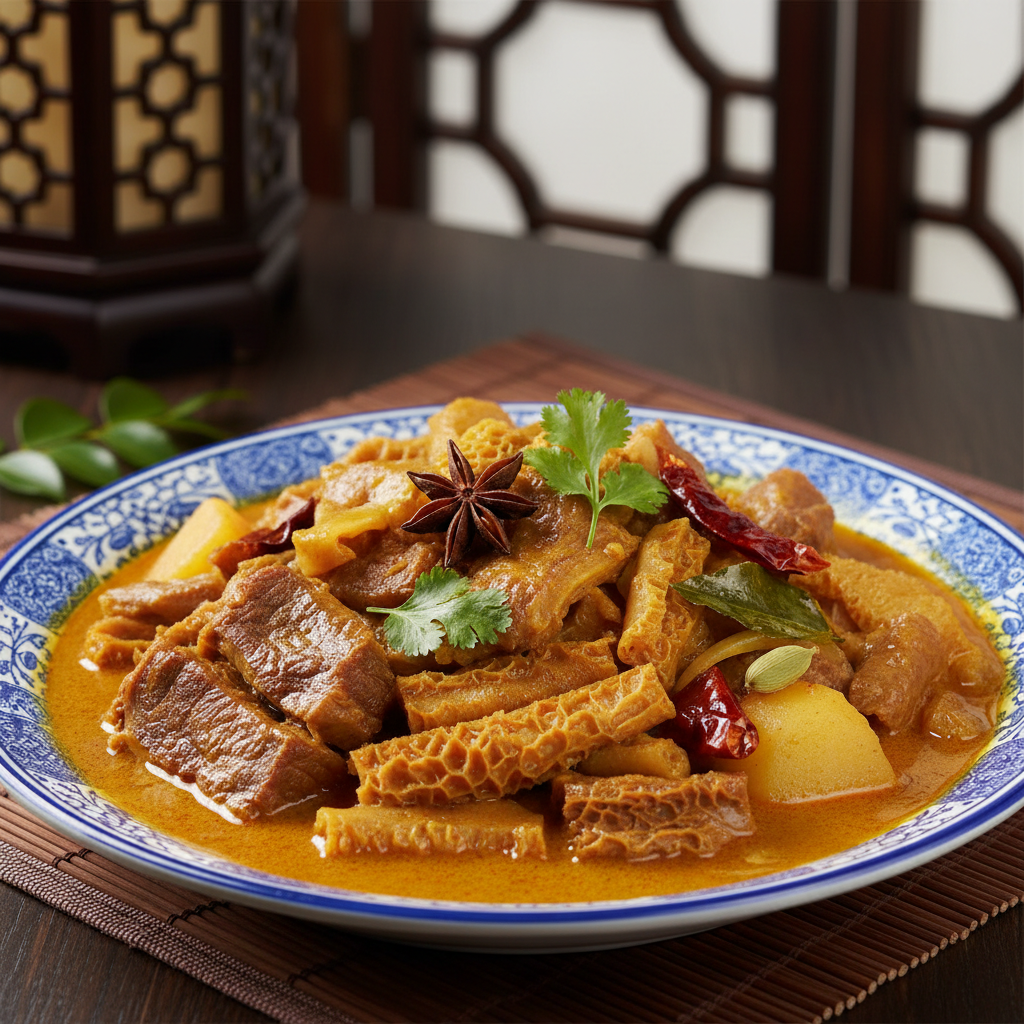
Curry Beef Offal
A very popular street snack in Macau, made by long-simmering various beef offal (such as tripe, intestines, lungs, bladder, etc.), along with ingredients like radish, pork skin, and fish balls, in a rich and fragrant curry broth.
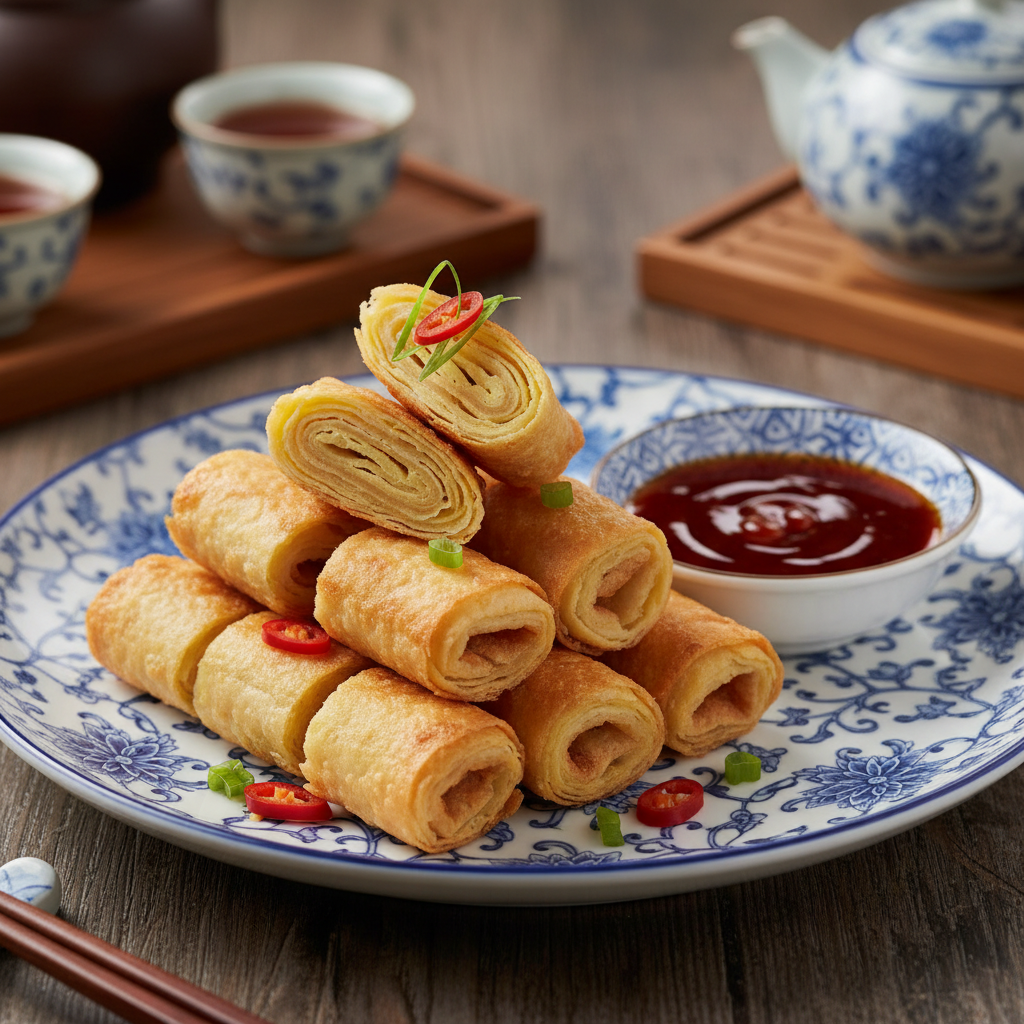
Egg Rolls
Another popular souvenir from Macau. It is made from eggs, flour, butter, and sugar, mixed into a batter, then baked into thin sheets on a special hot plate, and rolled into strips while still hot. It is famous for its fragrance, crispiness, and crunchiness.
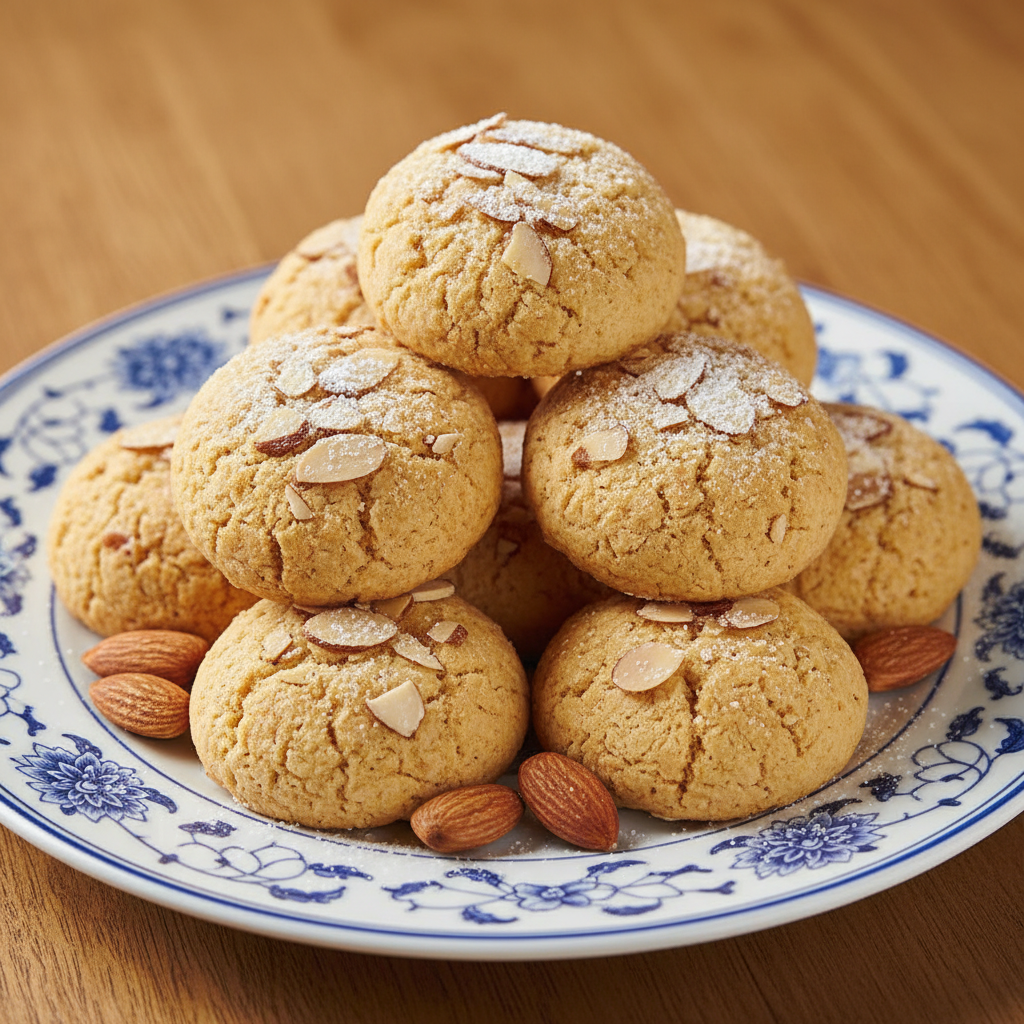
Almond Cookies
One of Macau's most famous souvenirs (gifts). It is a traditional Chinese pastry, primarily made from mung bean flour, almond flour, sugar, and lard, pressed into wooden molds and baked over charcoal fire.
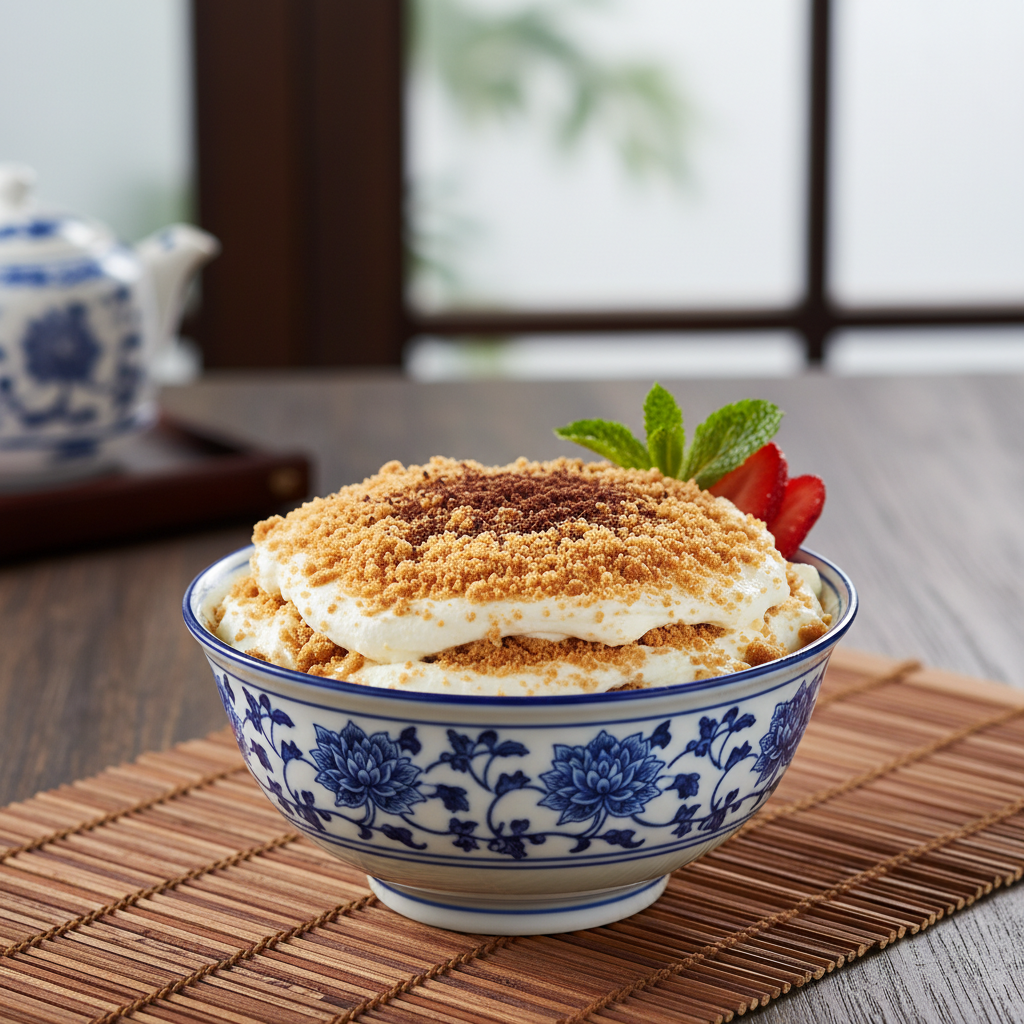
Serradura
A traditional Portuguese dessert, very popular in Macau. It is made by layering whipped cream and crushed Marie biscuits, then chilled. It gets its name because the biscuit crumbs resemble sawdust.
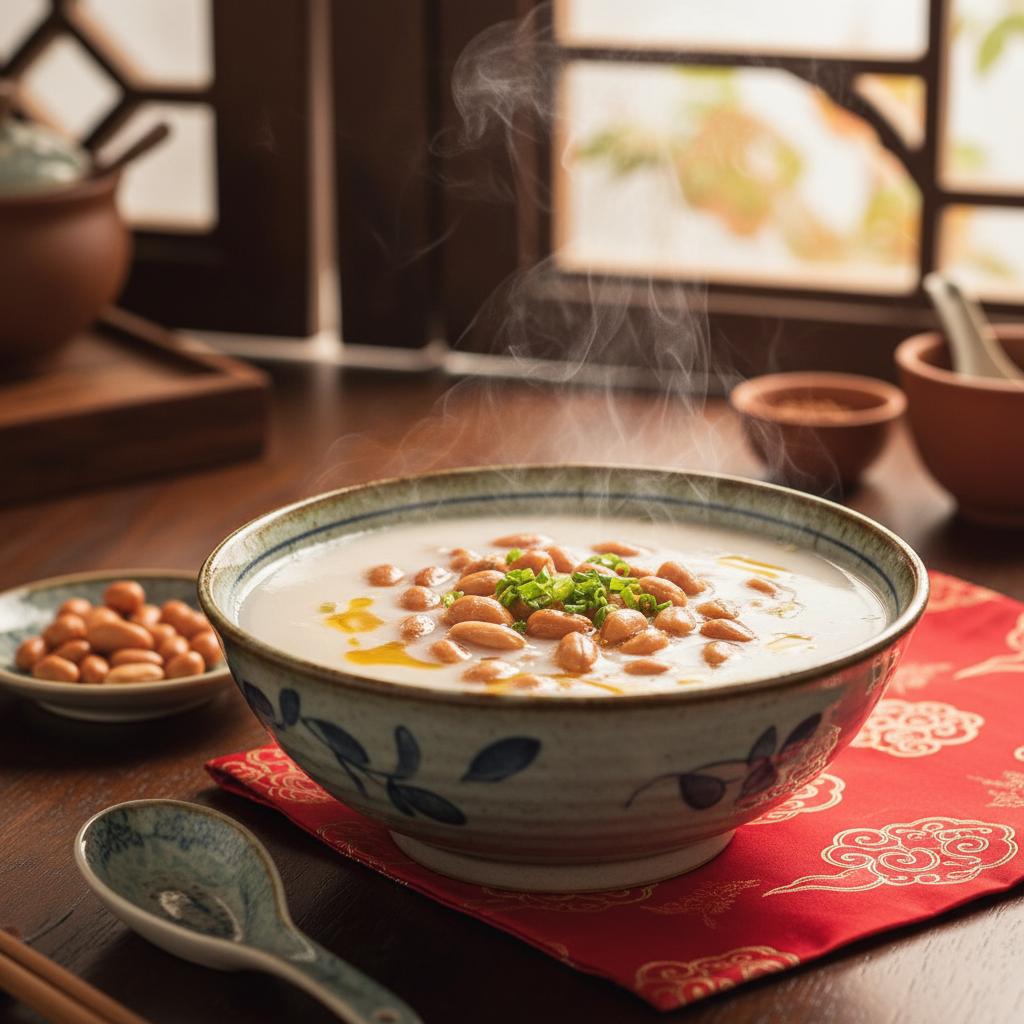
Peanut Candy
One of Macau's traditional souvenirs, it is a candy made from peanuts and maltose. Its live handmade production is a major feature, where the master repeatedly pulls and folds the hot syrup and peanuts to create distinct layers and a crispy texture.
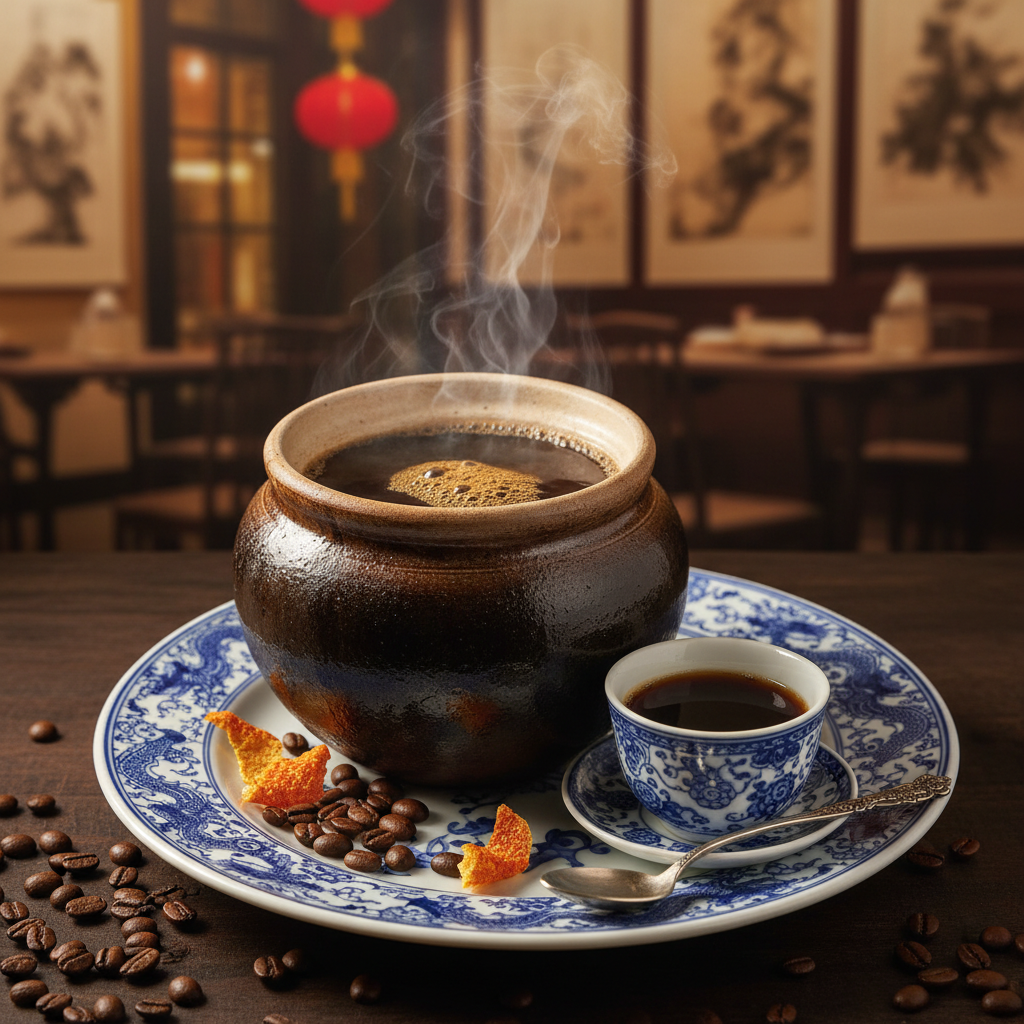
Clay Pot Coffee
A very traditional and nostalgic coffee brewing method in Macau. Coffee powder is slowly simmered in a clay pot over a charcoal stove for a long time, allowing the coffee's flavor to gradually release, resulting in an exceptionally rich and mellow taste.