Travel Guide
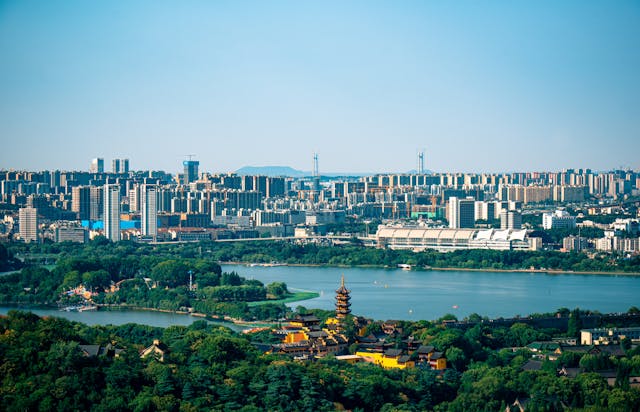
Nanjing, abbreviated as 'Ning', formerly known as Jinling and Jiankang, is the capital of Jiangsu Province, a sub-provincial city, a megacity, the core city of the Nanjing metropolitan area, and an important central city in eastern China, a national important scientific research and education base, and a comprehensive transportation hub approved by the State Council. Nanjing is located in eastern China, the lower reaches of the Yangtze River, near the river and the sea. It is the only megacity and central city in the Yangtze River Delta and East China. Nanjing has been the capital of Chinese dynasties many times in history, so it is known as the 'Ancient Capital of Six Dynasties' and the 'Metropolis of Ten Dynasties'. It is an important birthplace of Chinese civilization, with profound historical and cultural heritage, and has rich historical sites and cultural attractions. At the same time, Nanjing is also an important national science and education center, with many universities and research institutions, and is one of the world-renowned scientific research cities.
Best Time to Visit
Spring and Autumn
Daily Budget
¥400-800 ($60-120) per day
Getting Around
Subway, Bus, Taxi, Ride-hailing, Shared bicycle
Suggested Stay
3-5 days
Must-Visit Attractions
Memorial Hall of the Victims in the Nanjing Massacre by Japanese Invaders
The Memorial Hall of the Victims in the Nanjing Massacre by Japanese Invaders is a museum established to commemorate the victims massacred by the Japanese invaders in Nanjing and its surrounding areas after the fall of Nanjing on December 13, 1937. The memorial hall is located at Jiangdongmen, Nanjing, near the site of a 'mass grave' (Wanrenkeng) where thousands of bodies are buried. The memorial hall was built by the Nanjing Municipal People's Government in 1985 and was expanded and renovated in 1995. Through architecture, sculptures, images, and a large number of historical relics, the memorial hall recreates the tragic history of the Nanjing Massacre. Many historical items were donated by Japanese members of a Japan-China friendship group. The memorial hall covers a total area of approximately 28,000 square meters, with a building area of about 3,000 square meters, and is mainly composed of three parts: an outdoor exhibition area, a hall for the remains of the victims, and a historical data exhibition hall. Admission is free, but advance reservation is required.
Fuzimiao-Qinhuai Scenic Belt
The Fuzimiao-Qinhuai Scenic Belt is located in Nanjing City. Centered around the Confucius Temple and with the ten-mile Qinhuai River as its axis, it connects numerous historical and cultural attractions and natural landscapes. This area integrates culture, tourism, shopping, and dining, making it one of Nanjing's iconic attractions. A night cruise on the Qinhuai River is a major highlight, where the ancient buildings on both banks appear exceptionally charming under the illumination of lights.
Nanjing Museum
Nanjing Museum is located in Nanjing, the capital of Jiangsu Province in eastern China. Covering an area of 70,000 square meters (17 acres), it is one of China's largest museums, boasting over 400,000 permanent collections. Notably, the museum houses one of the world's largest collections of imperial porcelain from the Ming and Qing dynasties. It is one of the earliest established museums in China, with its predecessor being the Preparatory Office of the National Central Museum, founded in 1933. The main building was designed by Liang Sicheng in the 1930s, blending Chinese and Western architectural styles.
Nanjing Yuhuatai Scenic Area
Nanjing Yuhuatai Scenic Area, located in Yuhuatai District, Nanjing City, is a famous revolutionary martyrs' cemetery and scenic area in China. It is one of the important places where Chinese Communists bravely fought and sacrificed during the New Democratic Revolution. The park not only features solemn martyrs' cemeteries and monuments, but also boasts beautiful natural scenery and unique Yuhua Stone culture, making it a comprehensive park integrating revolutionary education, natural sightseeing, and cultural leisure.
Laomendong
Laomendong Historical and Cultural Block is an ancient place name in the old city south area of Nanjing. It is located east of Zhonghua Gate in Qinhuai District, Nanjing City. Due to its location east of Nanjing's south gate (i.e., Zhonghua Gate), it is called 'Mendong' (East Gate). Laomendong is a historical and cultural protection zone in Nanjing, and an important historical and cultural heritage site for Nanjing and even the whole country. It preserves a large number of Ming and Qing dynasty buildings, including traditional residences, official mansions, and alleys, making it an excellent place to understand Nanjing's traditional culture and folk customs. Within the block, there are historical buildings such as the former residences of Jiang Shoushan and Fu Shanxiang, as well as various handicraft shops, specialty snack bars, and tea houses, making it a comprehensive block integrating history, culture, leisure, entertainment, dining, and shopping.
Ming Xiaoling Mausoleum Scenic Area
The Ming Xiaoling Mausoleum is the joint burial tomb of Zhu Yuanzhang, the founding emperor of the Ming Dynasty, and his empress Ma. It is located at the southern foot of Purple Mountain, east of Nanjing's historic center. Legend has it that to prevent grave robbery, 13 identical funeral processions departed from 13 city gates to confuse the true burial site. Construction of the mausoleum began in 1381 during Zhu Yuanzhang's lifetime and was completed in 1405 (during the reign of the Yongle Emperor), costing immense human and material resources and employing 100,000 laborers. The original mausoleum walls stretched over 22.5 kilometers and were heavily guarded by 5,000 soldiers. The Ming Xiaoling Mausoleum is a UNESCO World Heritage Site and one of China's largest imperial tombs, renowned for its unique architectural style, grand scale, and rich historical and cultural significance.
Must-Try Local Food
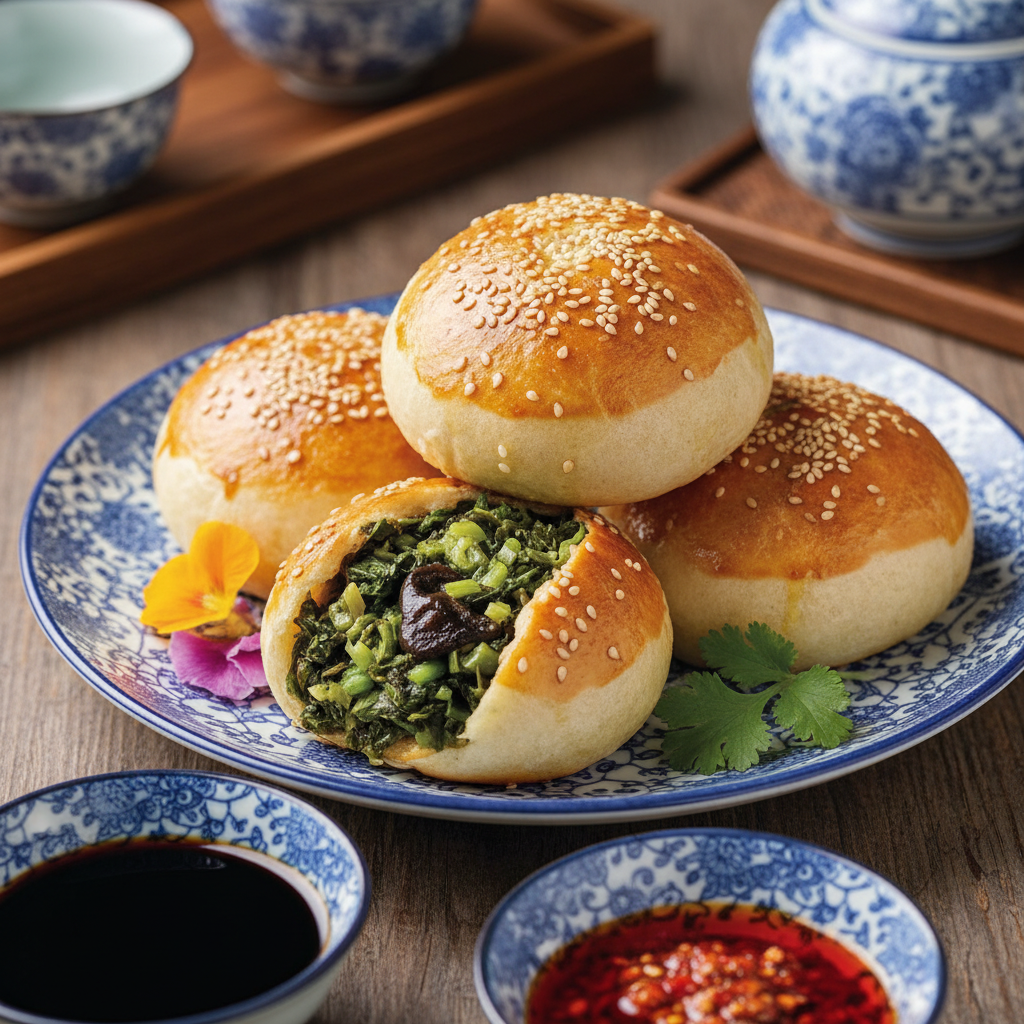
Sesame Oil Vegetable Bun
Sesame oil vegetable bun is a type of Chinese dim sum, typically made with a flour wrapper, filled with various seasonal vegetables, and seasoned with sesame oil, offering a fresh and fragrant taste.
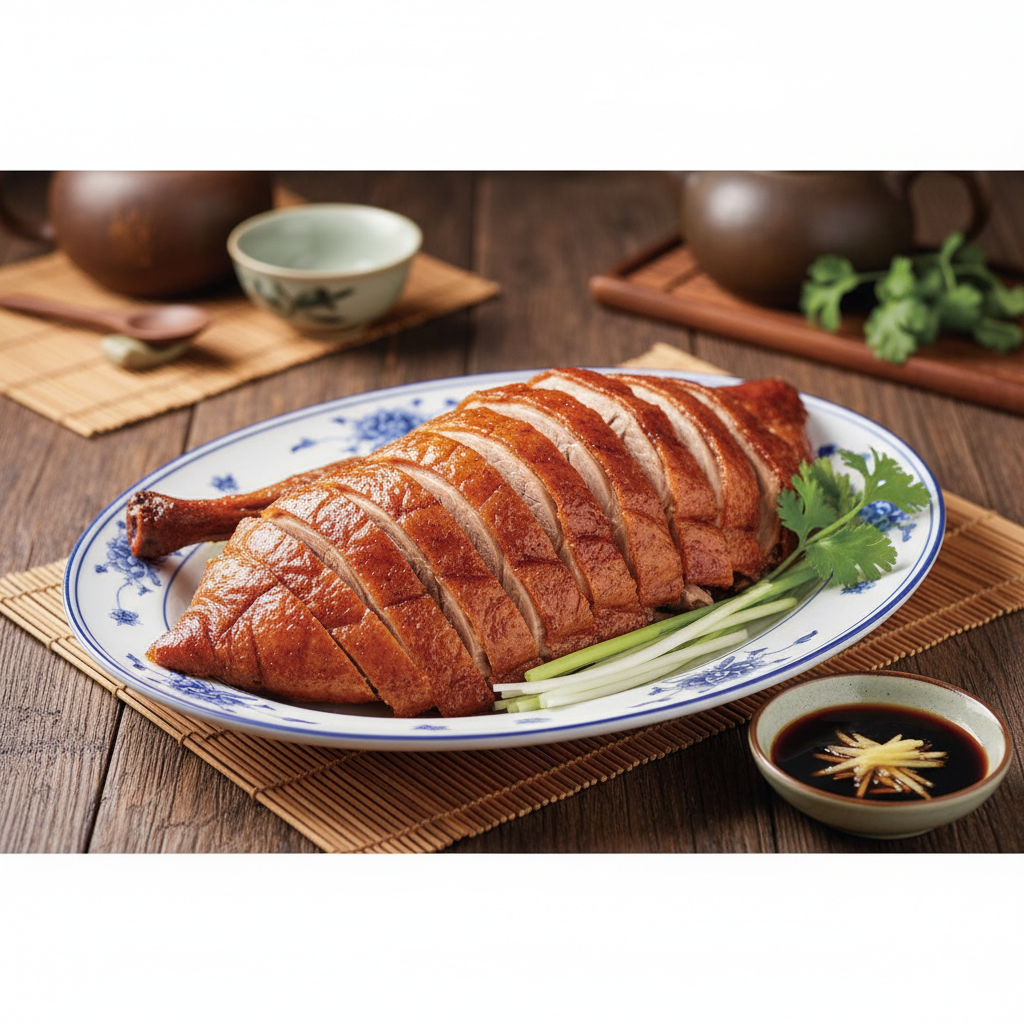
Nanjing Pressed Salted Duck
Nanjing Pressed Salted Duck is a traditional famous dish from Nanjing City, Jiangsu Province. It is made from high-quality duck meat, processed through multiple steps such as curing, pressing, and air-drying. Its characteristics include firm meat, rich savory flavor, and a mellow, lingering aroma. It is typically served as a cold dish.
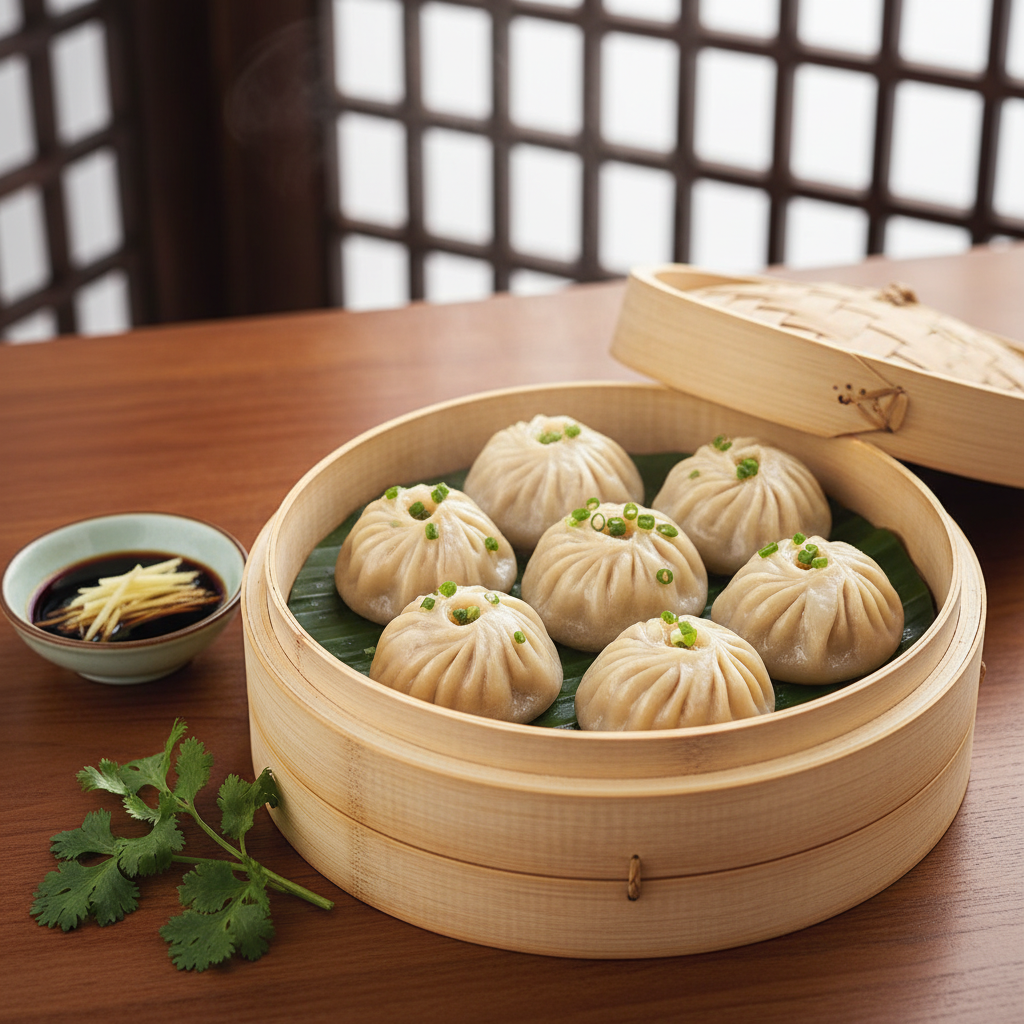
Nanjing Xiaolongbao
Nanjing Xiaolongbao is a type of soup dumpling originating from Jiangsu Province, China, known for its small size, almost translucent skin, and relatively less meat filling. It is one of the iconic dishes of Jiangnan cuisine, and compared to xiaolongbao from other regions, the Nanjing style has a fresher taste.
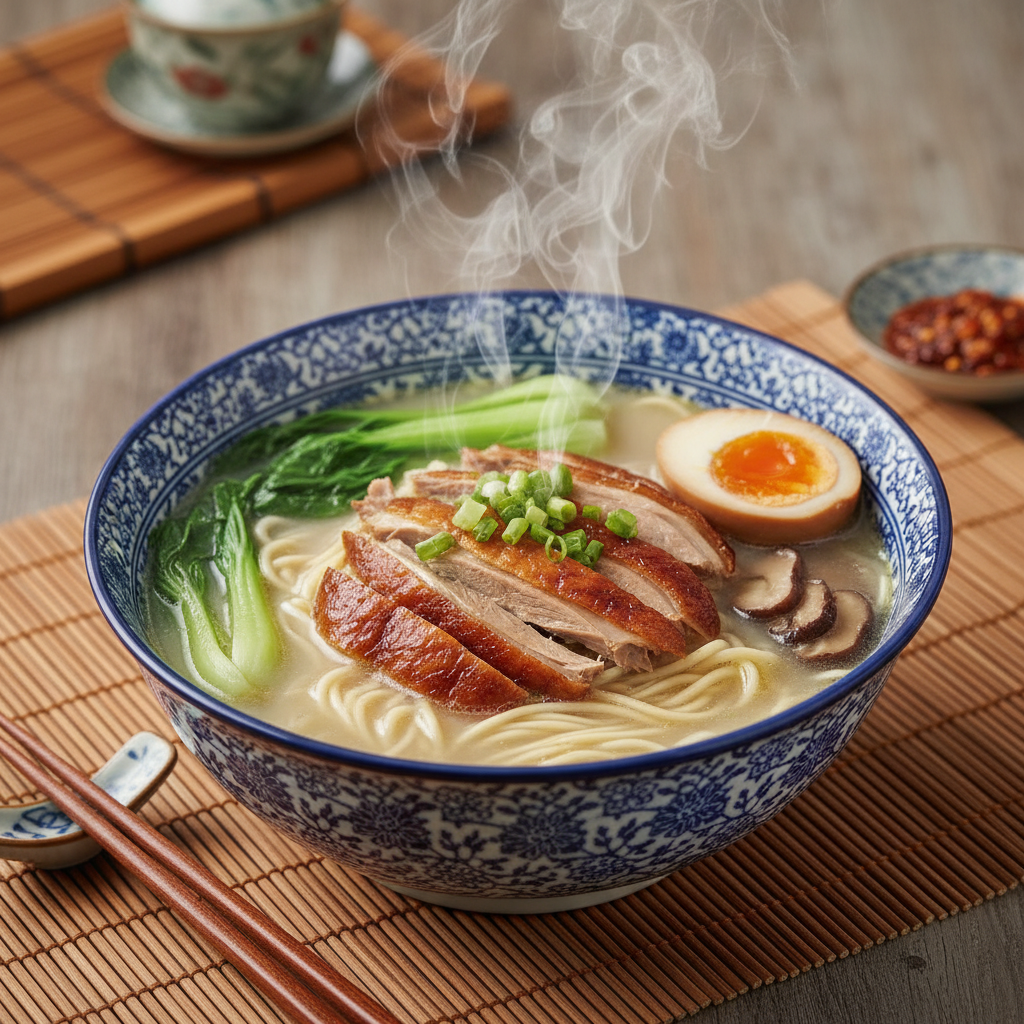
Old Duck Soup Noodles
A noodle soup made with a slow-simmered old duck broth, typically featuring a rich and savory duck flavor. This dish may have different variations and cooking methods across China, but its core lies in the delicious combination of duck broth and noodles.
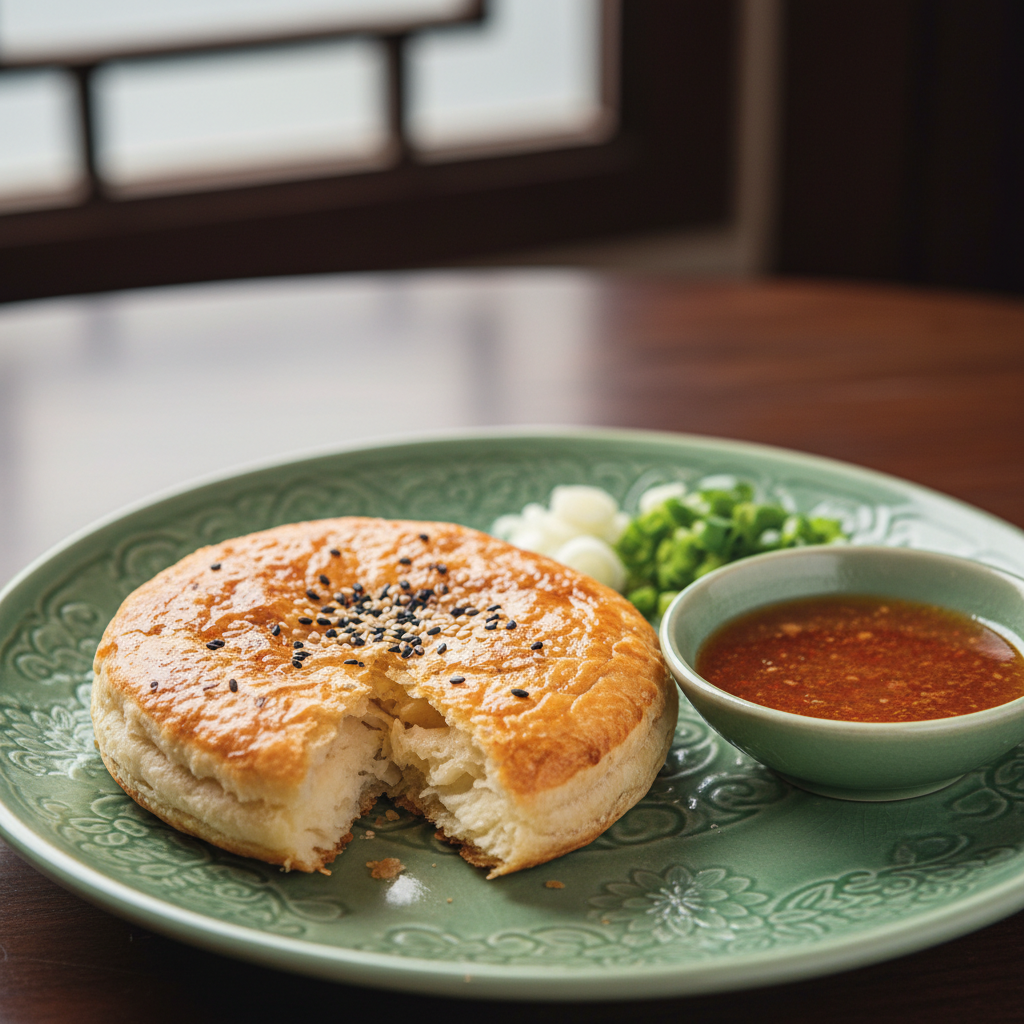
Duck Fat Crispy Flatbread
Duck Fat Crispy Flatbread is a traditional Chinese flaky pastry, typically made by kneading dough with duck fat, then rolling it into multiple layers and baking. It has a crispy exterior, a soft interior, and a unique aroma characteristic of duck fat.
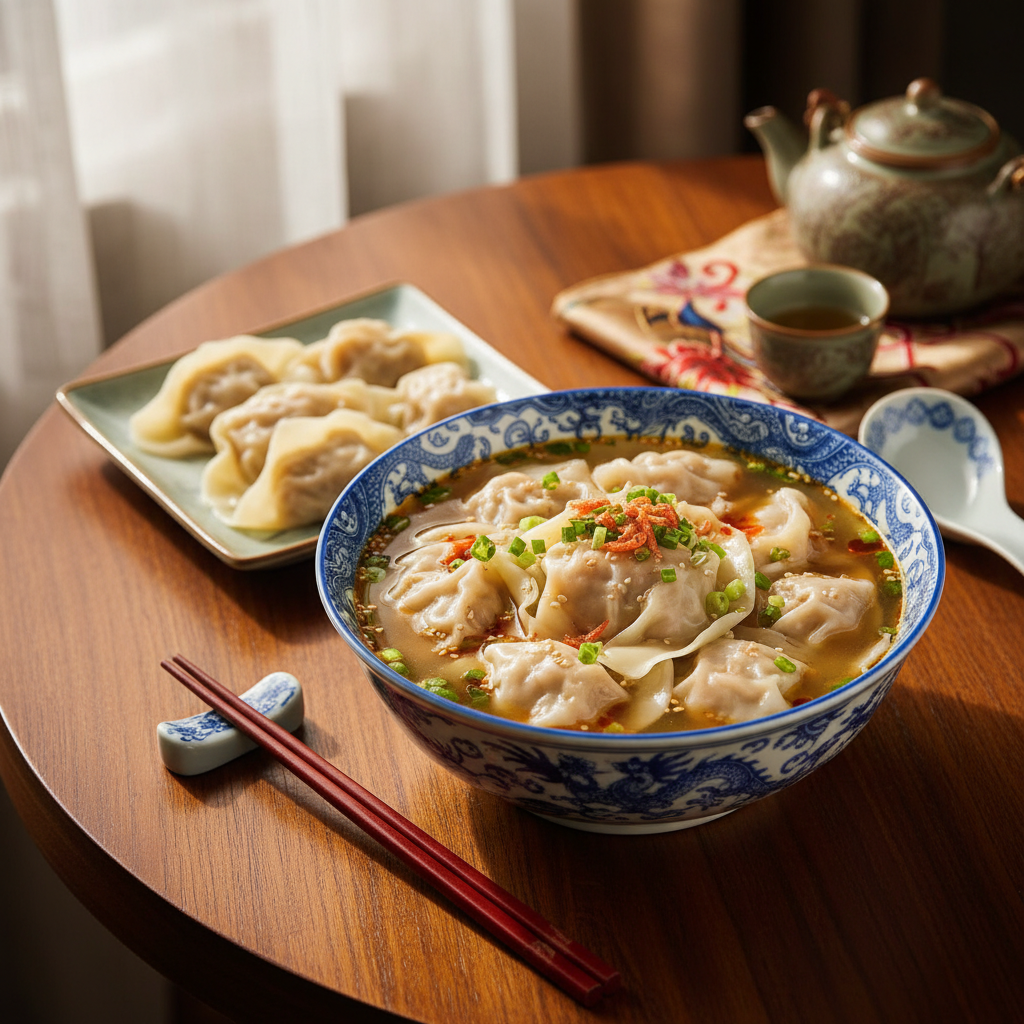
Old Nanjing Wontons
Old Nanjing Wontons are a traditional specialty snack in Nanjing, famous for their thin wrappers, fresh filling, and delicious soup. It is a common choice for Nanjing locals' breakfast and late-night snacks, carrying rich local flavors and citizens' memories.