Travel Guide
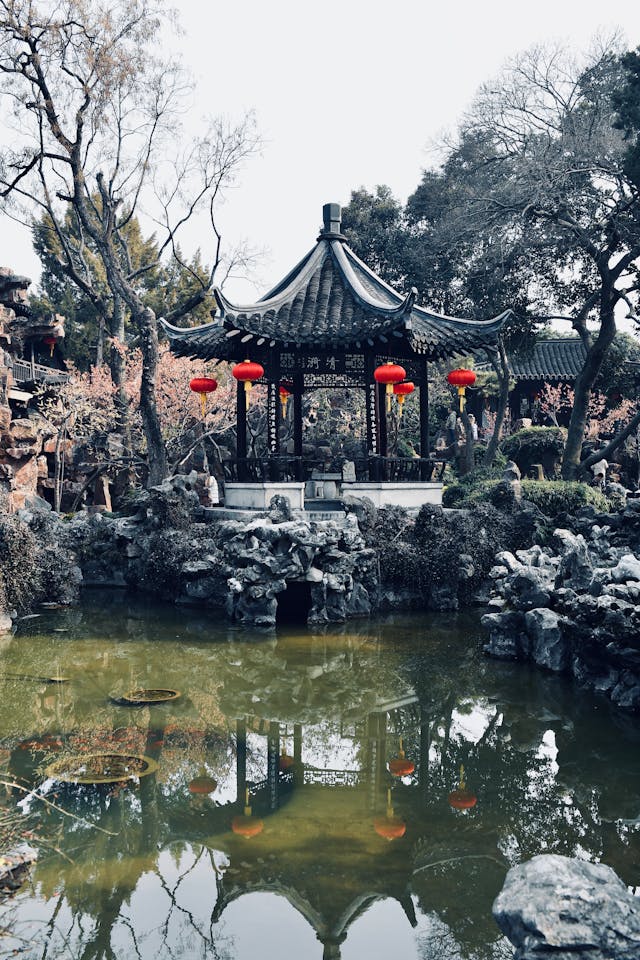
Suzhou, a major prefecture-level city in southern Jiangsu Province, China, is an important part of the Yangtze River Delta urban agglomeration. Founded in 514 BC, it is known for its unique gardens, water town scenery, and profound cultural heritage, and is known as "Paradise on Earth". Suzhou is the birthplace of Wu culture, with a history of more than 2,500 years, and is an important economic, cultural and commercial center. Its classical gardens are listed as a UNESCO World Heritage Site. Su cuisine, as an important branch of Jiangsu cuisine, is characterized by its light, slightly sweet taste, emphasis on original flavor and seasonal ingredients. Representative dishes include Squirrel Mandarin Fish and Braised Eel.
Best Time to Visit
Spring and Autumn
Daily Budget
¥400-800 ($60-120) per day
Getting Around
Subway, Bus, Taxi, Ride-hailing service, Tourist bus line, Walking
Suggested Stay
2-4 days
Must-Visit Attractions
Humble Administrator's Garden
The Humble Administrator's Garden is located at No. 178 Dongbei Street, Gusu District, Suzhou City. It is one of China's Four Great Classical Gardens and the largest and most famous garden in Suzhou. It was built during the Ming Dynasty and is listed as a UNESCO World Heritage Site. The Humble Administrator's Garden is centered around water, with mountains and rivers winding through it, exquisite halls and pavilions, and lush flowers and trees, embodying the rich characteristics of the Jiangnan water towns. It is known as the 'Mother of Chinese Gardens'. The entire garden is divided into three parts: East, Central, and West, each with its unique features. The East Garden is open and spacious, the Central Garden is the essence of the entire garden, and the West Garden features delicate architecture. The Humble Administrator's Garden is an important window for understanding traditional Chinese garden art and Jiangnan culture.
Tuisi Garden
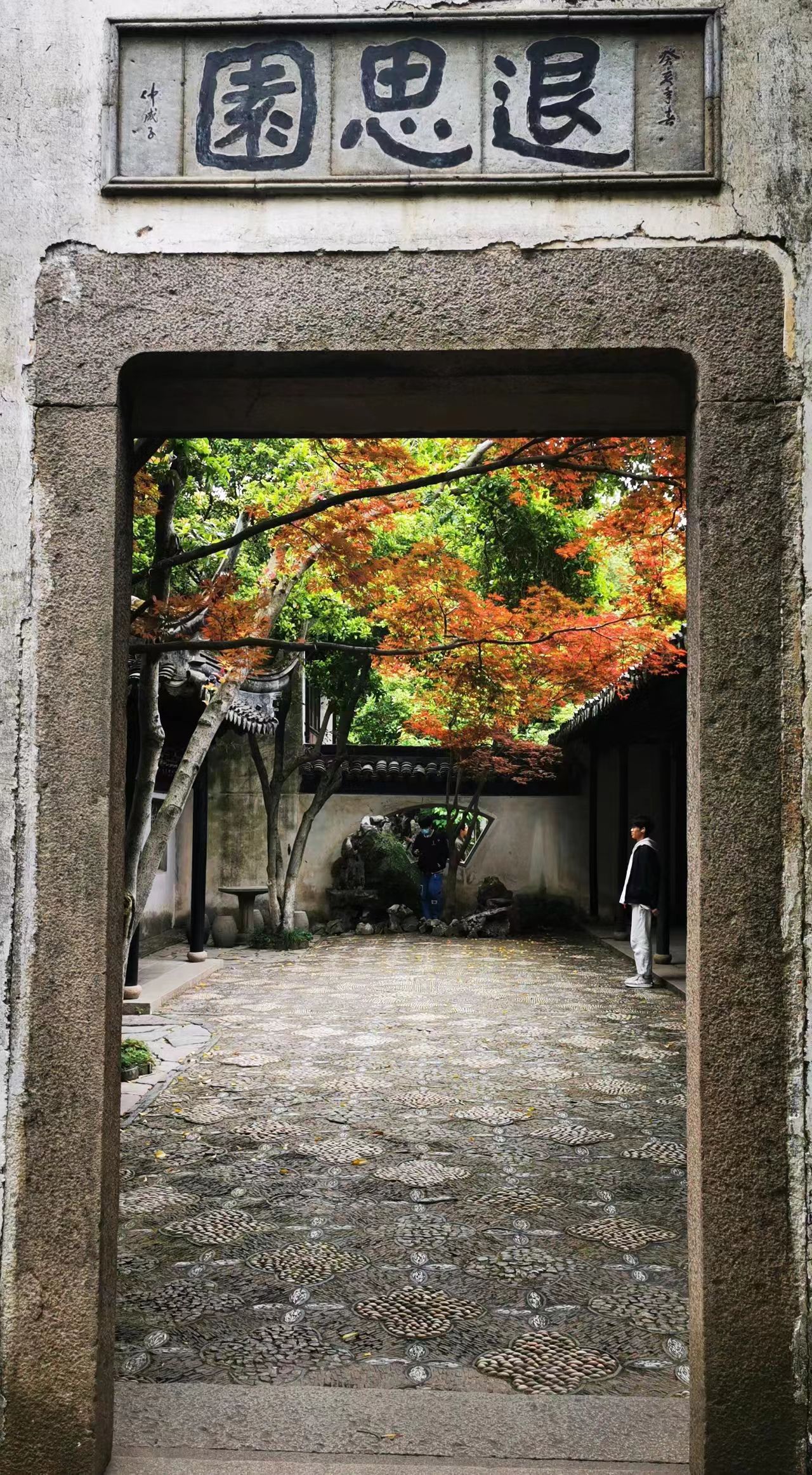
Tuisi Garden is one of China's famous classical gardens, located in Tongli, Wujiang City, Jiangsu Province. The garden was built in 1885 by Ren Lansheng, an impeached official from Anhui Province. Its name is derived from an idiom in the 'Zuo Zhuan' (Commentary of Zuo): 'A gentleman, when advancing, thinks of dedicating himself to loyalty; when retreating, thinks of rectifying his mistakes.' It was designed by Yuan Long, a painter from the Wu School, and was recognized as a World Cultural Heritage site by UNESCO in 2001, as part of the Classical Gardens of Suzhou.
Zhouzhuang Ancient Town
Zhouzhuang Ancient Town, located in Kunshan City, Suzhou, Jiangsu Province, is China's first water town. It is famous for its unique Jiangnan water village style with small bridges, flowing water, and riverside homes, boasting nearly a thousand years of history and being a national AAAAA-level tourist attraction. The town features crisscrossing rivers, numerous ancient bridges, and residential houses built along the water, preserving a large number of Ming and Qing dynasty buildings.

Suzhou Museum West
Suzhou Museum West is a museum located in Suzhou, Jiangsu, China. It primarily collects ancient Chinese art, paintings, calligraphy, and handicrafts. Designed by the renowned architect I.M. Pei, the museum opened in 2006. Its architecture blends traditional Chinese design with modern elements, characterized by sloping roofs, traditional black, white, and grey color palettes, and innovative use of glass and steel. The museum houses approximately 30,000 items, including excavated artifacts, ancient paintings and calligraphy, and ancient crafts. Permanent exhibitions include 'Treasures of Wu Land', 'National Treasures of Wu Pagoda', 'Elegance of Wu Zhong', and 'Paintings and Calligraphy of Wu School'.
Suzhou Tongli Ancient Town Tourist Area
Tongli Ancient Town, located in Wujiang District, Suzhou City, Jiangsu Province, is one of the six famous ancient towns in Jiangnan. With its dense network of waterways, it is known as the 'Oriental Venice'. The ancient town was founded in the Song Dynasty and has a history of over a thousand years. It boasts unique Ming and Qing dynasty architectural complexes, including several well-preserved gardens, temples, former residences of celebrities, and ancient bridges. Among them, the World Cultural Heritage Retreat & Reflection Garden (Tuisi Garden) is one of its most representative attractions. Visitors can stroll through ancient alleys, admire small bridges over flowing water, taste local delicacies, and experience the tranquility and charm of this water town.
Seven-Mile Shantang Scenic Area
Shantang Street, approximately 3829.6 meters long, connects Changmen Gate and Tiger Hill. It was built by Bai Juyi during the Tang Dynasty when he excavated the Shantang River, using the excavated silt. Due to its long history and rich cultural heritage, this street is known as 'Gusu's First Street' and was listed as a 'National Historical and Cultural Street' in China in 2015. Today, Shantang Street is a famous tourist destination in Suzhou, where visitors can admire well-preserved ancient buildings and bridges, and experience the unique charm of a Jiangnan water town.
Must-Try Local Food
Cherry Pork
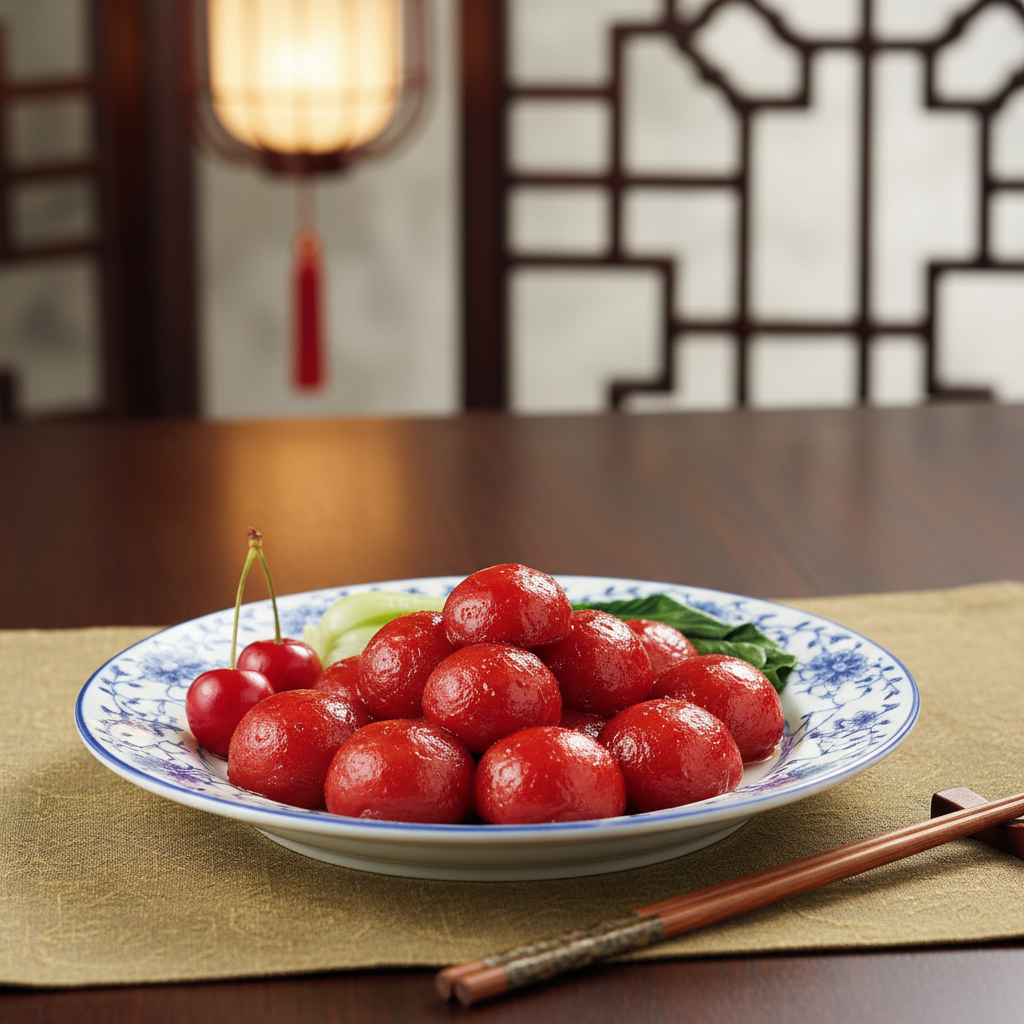
Cherry Pork is a traditional famous dish from the Suzhou region of Jiangsu Province, belonging to Su Cuisine. Its characteristics are a bright red color, cherry-like shape, tender and melt-in-your-mouth texture, moderately sweet and savory taste, and rich without being greasy.
Tangzhou
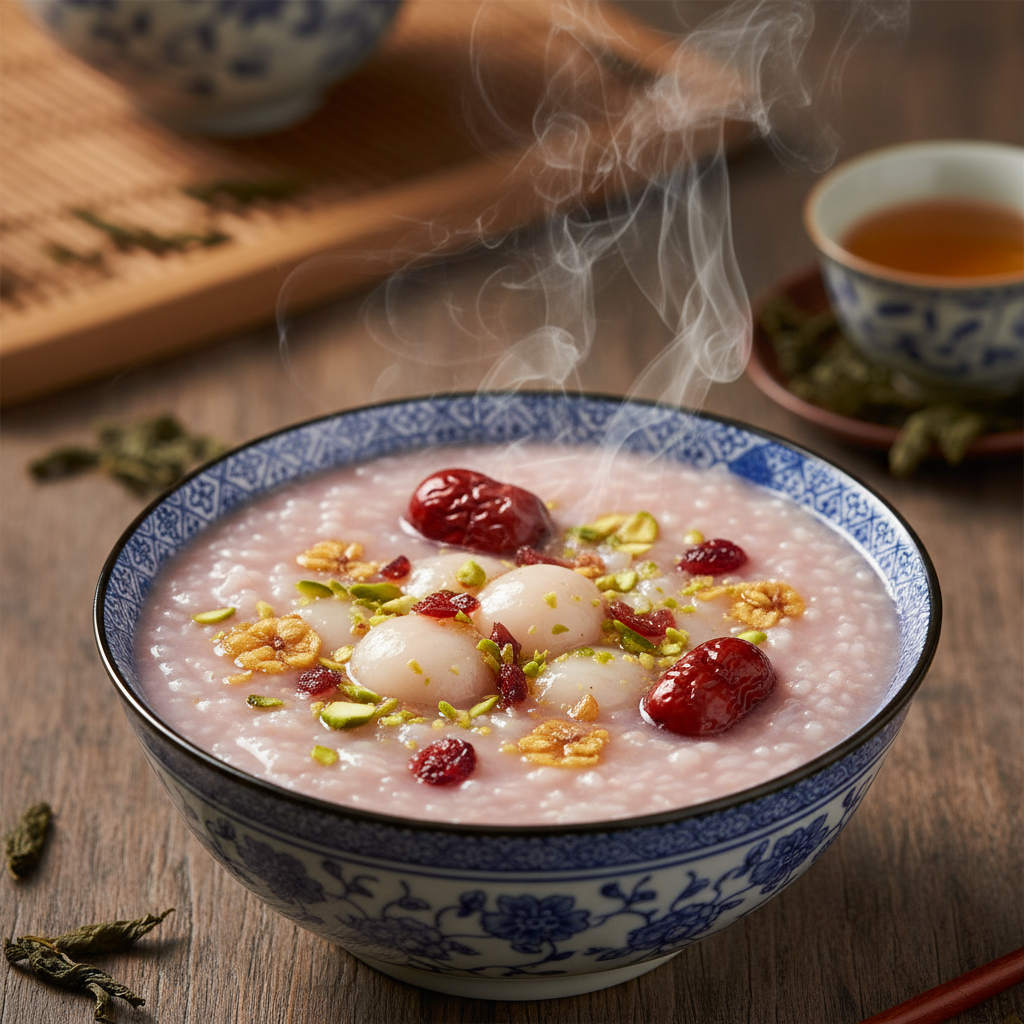
An iconic glutinous rice porridge topped with red bean paste, osmanthus sugar, and brown sugar, it is a popular traditional dessert in Shanghai, Suzhou, and surrounding areas.
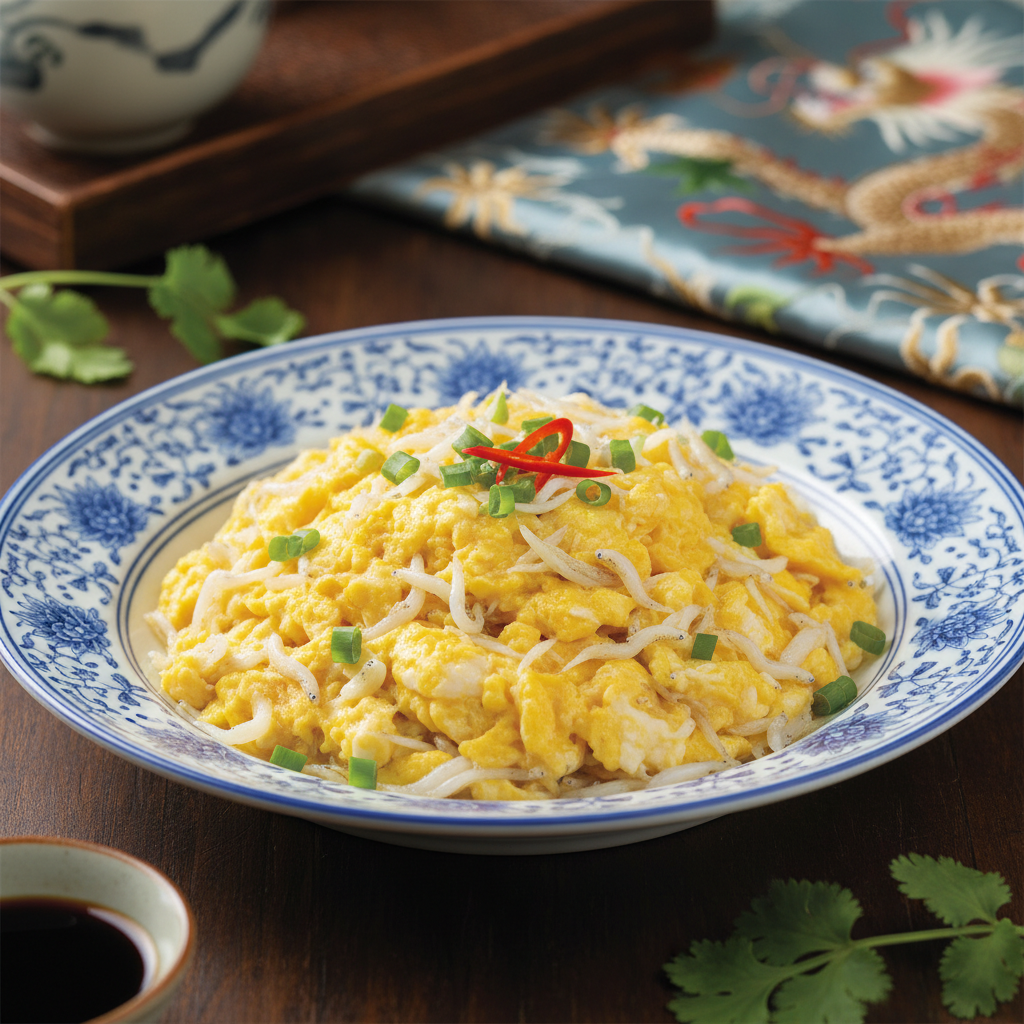
Stir-fried Eggs with Taihu Whitebait
Stir-fried Eggs with Taihu Whitebait is a traditional famous dish from Wuxi, Jiangsu province. It uses Taihu whitebait, a local specialty, as the main ingredient, stir-fried with fresh eggs. The whitebait has tender flesh and a delicious taste, perfectly combined with the rich texture of eggs. It is characterized by being nutritious, light, and savory.
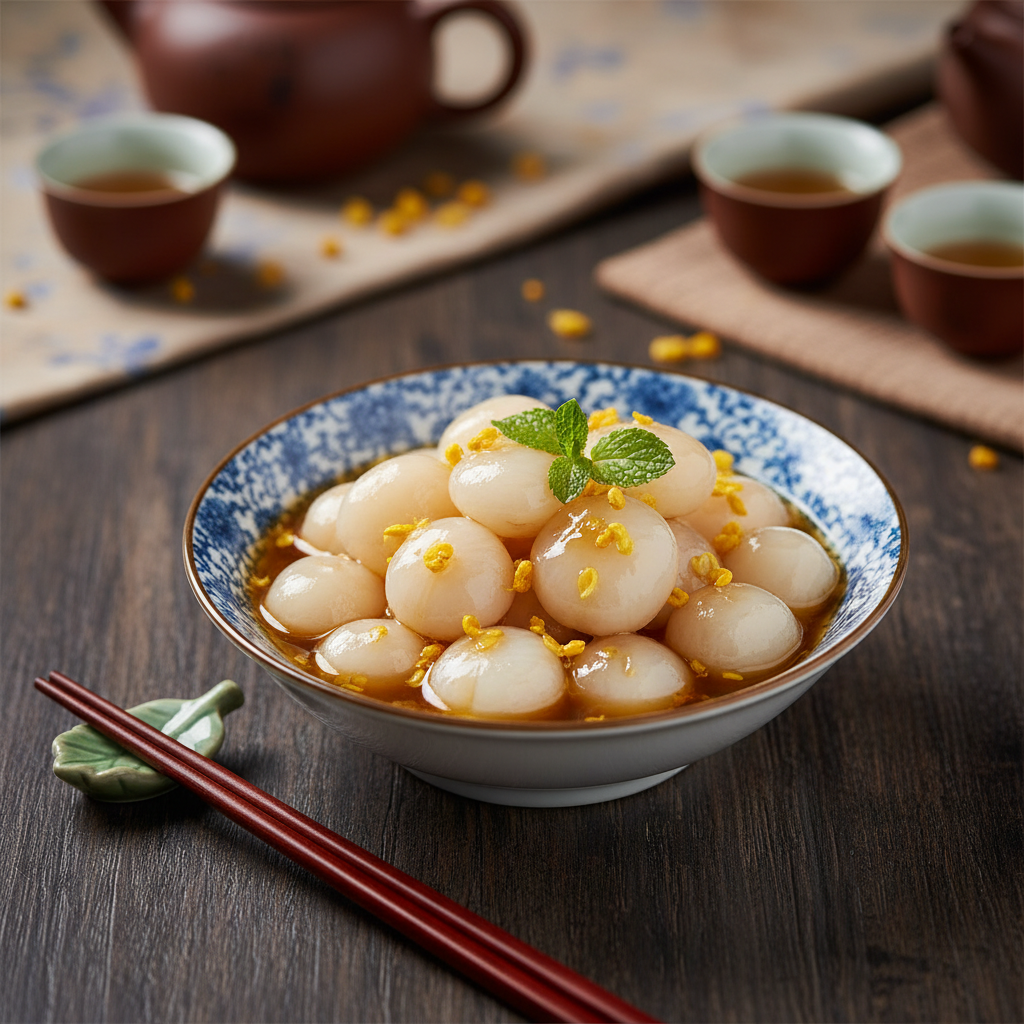
Osmanthus Euryale Seeds
Osmanthus Euryale Seeds is a dessert primarily made from euryale seeds (gorgon fruit) and osmanthus flowers. It has a soft, glutinous, and sweet taste with the unique fragrance of osmanthus. It is common in the Jiangnan region, especially around Suzhou, and is often enjoyed as a seasonal dessert.
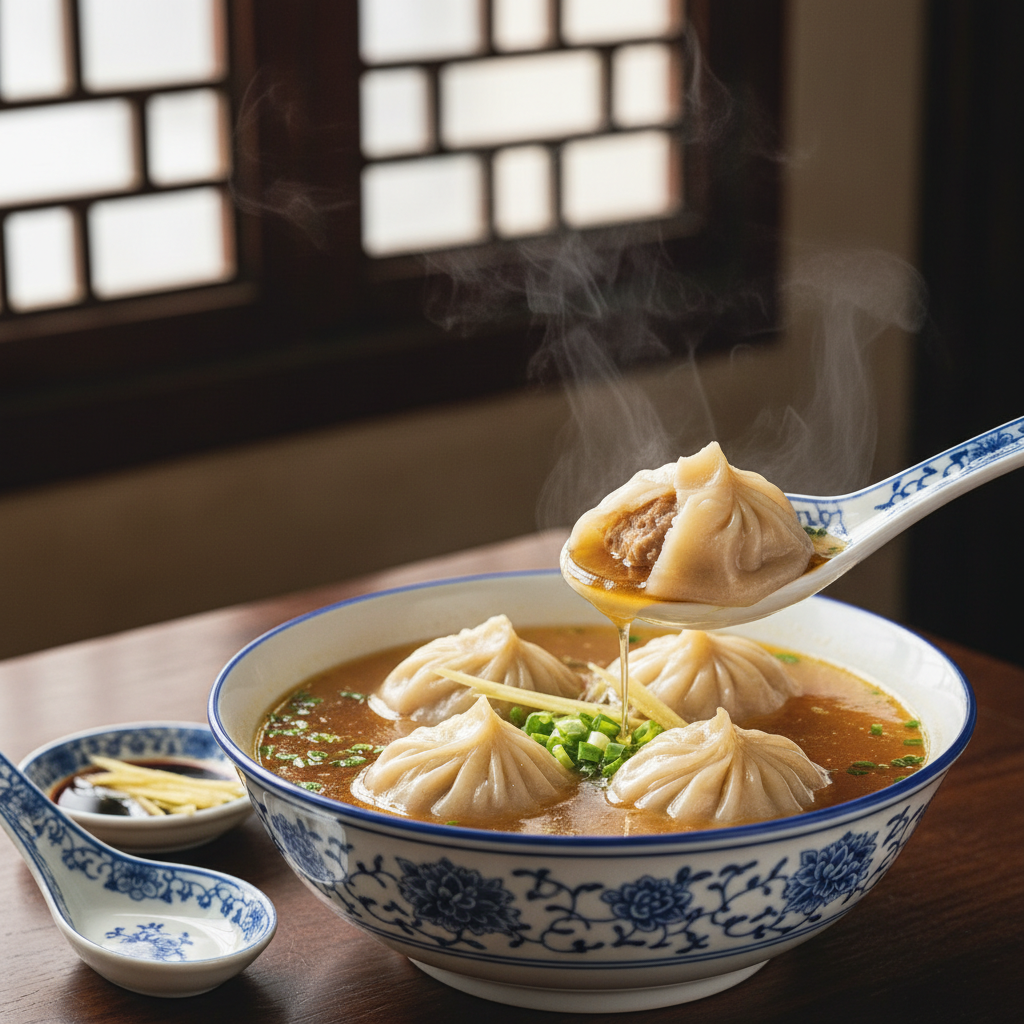
Suzhou Soup Dumpling
Suzhou soup dumpling is a type of soup dumpling from the Jiangnan region of Jiangsu, and is one of the representative dishes of Jiangnan cuisine. It has a thin skin, a generous filling, and a fresh, sweet soup, making it a traditional Suzhou snack.
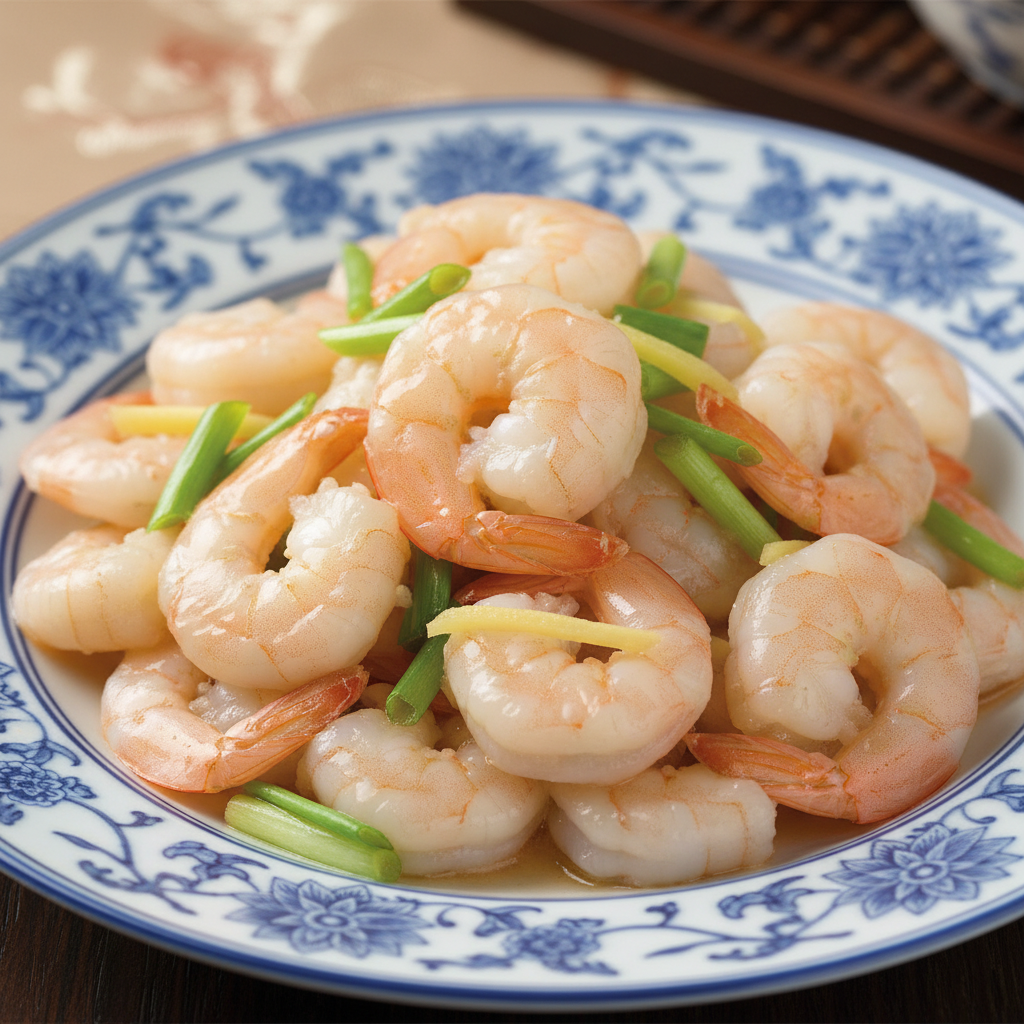
Stir-fried Shrimp
Stir-fried Shrimp is a common home-style dish, primarily made with fresh shrimp, often paired with a small amount of vegetables such as peas and corn, and cooked by stir-frying. The dish has a refreshing color, tender texture, and a savory-umami flavor.