Travel Guide
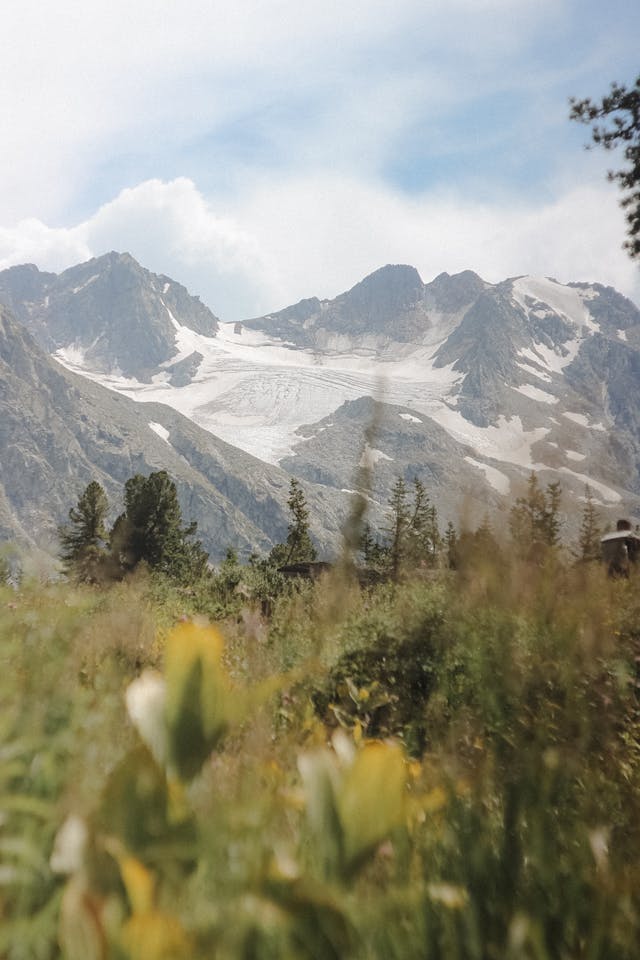
Urumqi is the capital and largest city of the Xinjiang Uygur Autonomous Region. It is the second largest city in Northwest China's inland region after Xi'an, and the second most populous city in Central Asia (after Kabul, Afghanistan). Since the 1990s, Urumqi's economy has developed significantly, and it is now a regional transportation hub and a cultural, political, and commercial center. Its name comes from the Mongolian Oirat language, meaning "beautiful pasture". Historically, Urumqi was a small town established by the Dzungar people, later expanded by the Qing Dynasty and renamed Dihua. In 1954, it reverted to the name Urumqi.
Best Time to Visit
Summer and Autumn (pleasant climate, best scenery)
Daily Budget
¥400-800 ($60-120) per day
Getting Around
Airplane (Urumqi Diwopu International Airport), Train, Long-distance bus, Bus, Taxi, Ride-hailing
Suggested Stay
3-5 days
Must-Visit Attractions
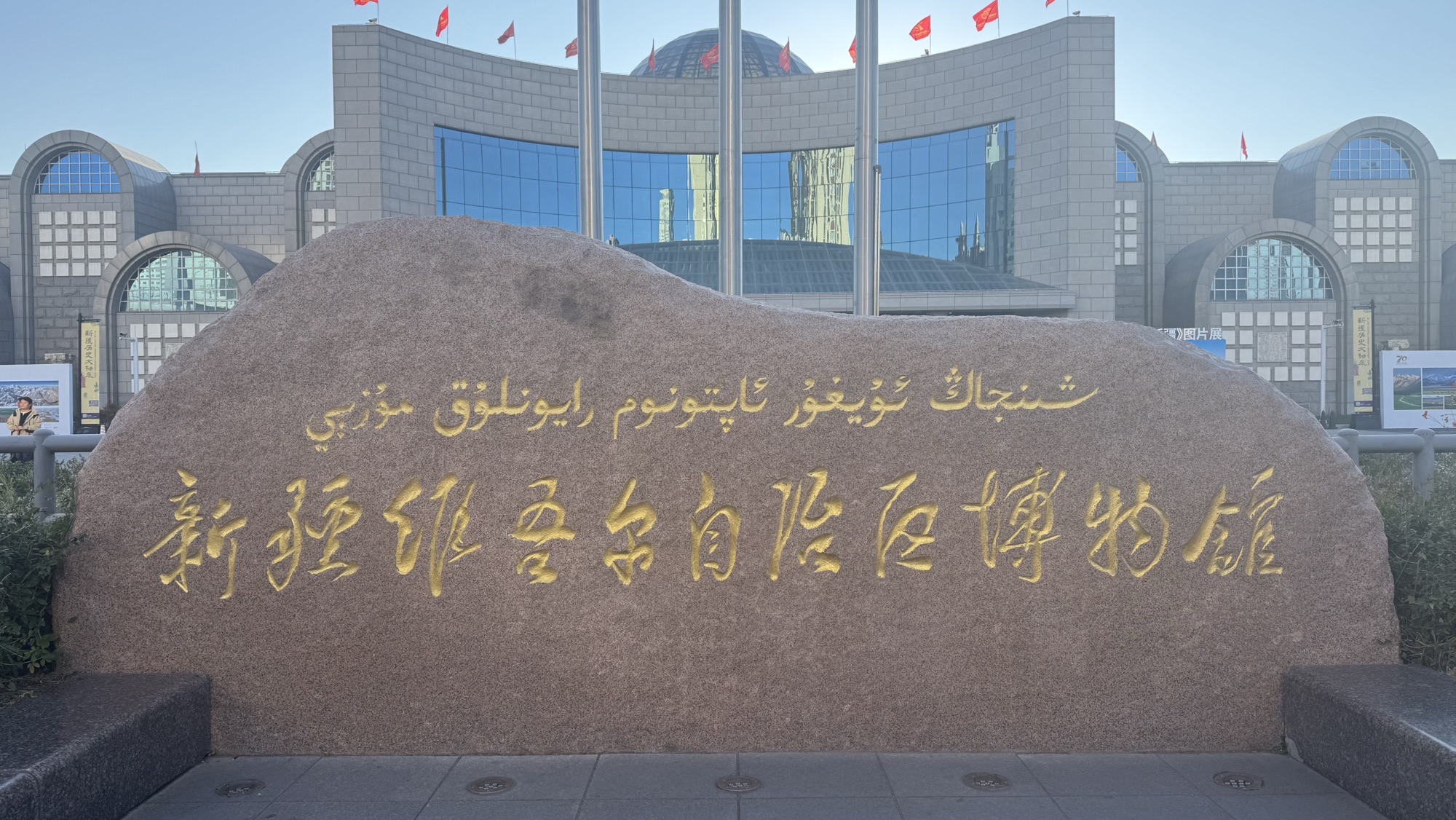
Xinjiang Uygur Autonomous Region Museum
The Xinjiang Uygur Autonomous Region Museum is the only provincial comprehensive museum in the Xinjiang Uygur Autonomous Region of China, and also a national first-class museum. It houses a rich collection of cultural relics, showcasing the diverse history, culture, and ethnic customs of the Xinjiang region, serving as a window to understand Xinjiang's history, culture, and ethnic groups. The museum features several permanent exhibitions, including the Exhibition of Historical Relics of Xinjiang, the Exhibition of Ethnic Customs of Xinjiang, and the Exhibition of Ancient Mummies and Their Costumes in Xinjiang, and is particularly famous for ancient mummy relics such as the 'Beauty of Loulan'.
Tianshan Grand Canyon
The Tianshan Grand Canyon, located in Urumqi County, Xinjiang Uygur Autonomous Region, is a national forest park and a China 5A-level scenic area. It is over 40 kilometers away from Urumqi city, with a total scenic area of 1038.48 square kilometers, an average altitude of over 2000 meters, and an average annual temperature of 4-6°C. The grand canyon has complex terrain, featuring crisscrossing ravines and undulating mountains. The main river is the Urumqi River, a seasonal river formed by glaciers and snowmelt, which flows north-south through the grand canyon.
Xinjiang International Grand Bazaar
The Xinjiang International Grand Bazaar is an Islamic bazaar located in Urumqi, Xinjiang, China. It is one of the largest bazaars in the world, integrating Islamic culture, architecture, ethnic commerce, tourism, and entertainment. It is also one of the most famous landmarks in Urumqi and even Xinjiang. The Grand Bazaar covers an area of 4000 square meters and features an 80-meter-high sightseeing tower, an open-air mosque, an opera house, and a food court.
Confucian Temple
The Urumqi Confucian Temple (also known as Urumqi Confucius Temple) is located at No. 15, North Side of Qianjin Road, Tianshan District, Urumqi, Xinjiang, China. Built in the late Qing Dynasty, it is the only well-preserved Qing Dynasty-style temple complex in Xinjiang and the only existing Confucius Temple in Xinjiang. The Urumqi Confucius Temple was first built between 1765 and 1767, when the Qing government expanded Dihua New City (now Urumqi City). Originally named "Shangdi Temple" (Temple of God), it was rebuilt in 1922 (the 11th year of the Republic of China), primarily dedicated to Shangdi, with Confucius as a secondary deity. In 1945, the main hall of Shangdi Temple was rebuilt as the Hall of Great Accomplishment of Confucius. In 1979, the temple was listed as a Urumqi municipal-level cultural heritage site. In October 2019, it was designated as a national key cultural heritage site in the eighth batch.
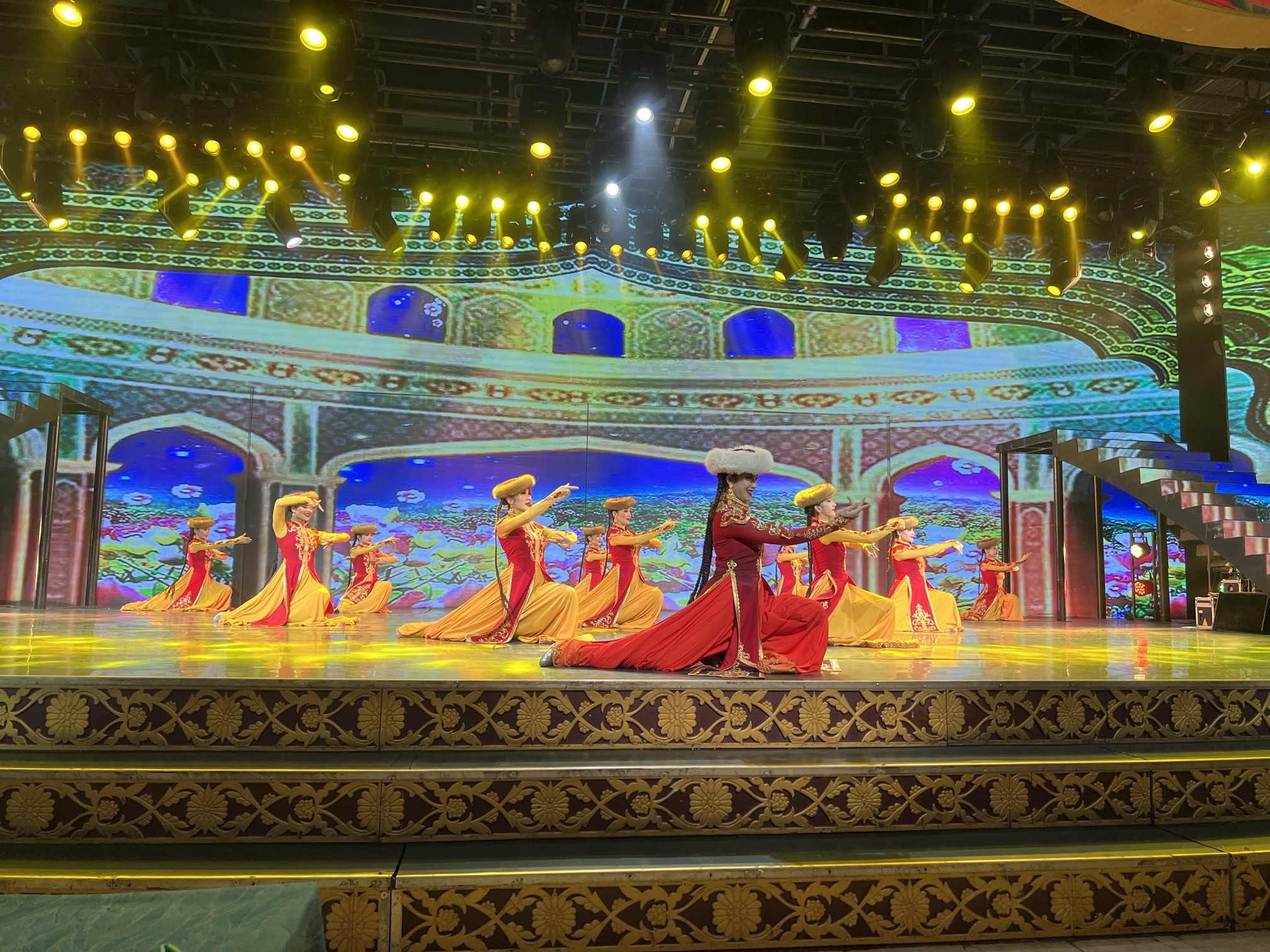
International Grand Bazaar Performing Arts Theater (Outer Ring Road Store)
The International Grand Bazaar Performing Arts Theater is located on the 4th floor of Building 4, Xinjiang International Grand Bazaar, No. 510 Jiefang South Road, Urumqi, Xinjiang. It is a sports and leisure service venue, offering cinema and theater services. The theater is famous for its unique ethnic song and dance performances and is an important window for understanding Xinjiang culture and customs.
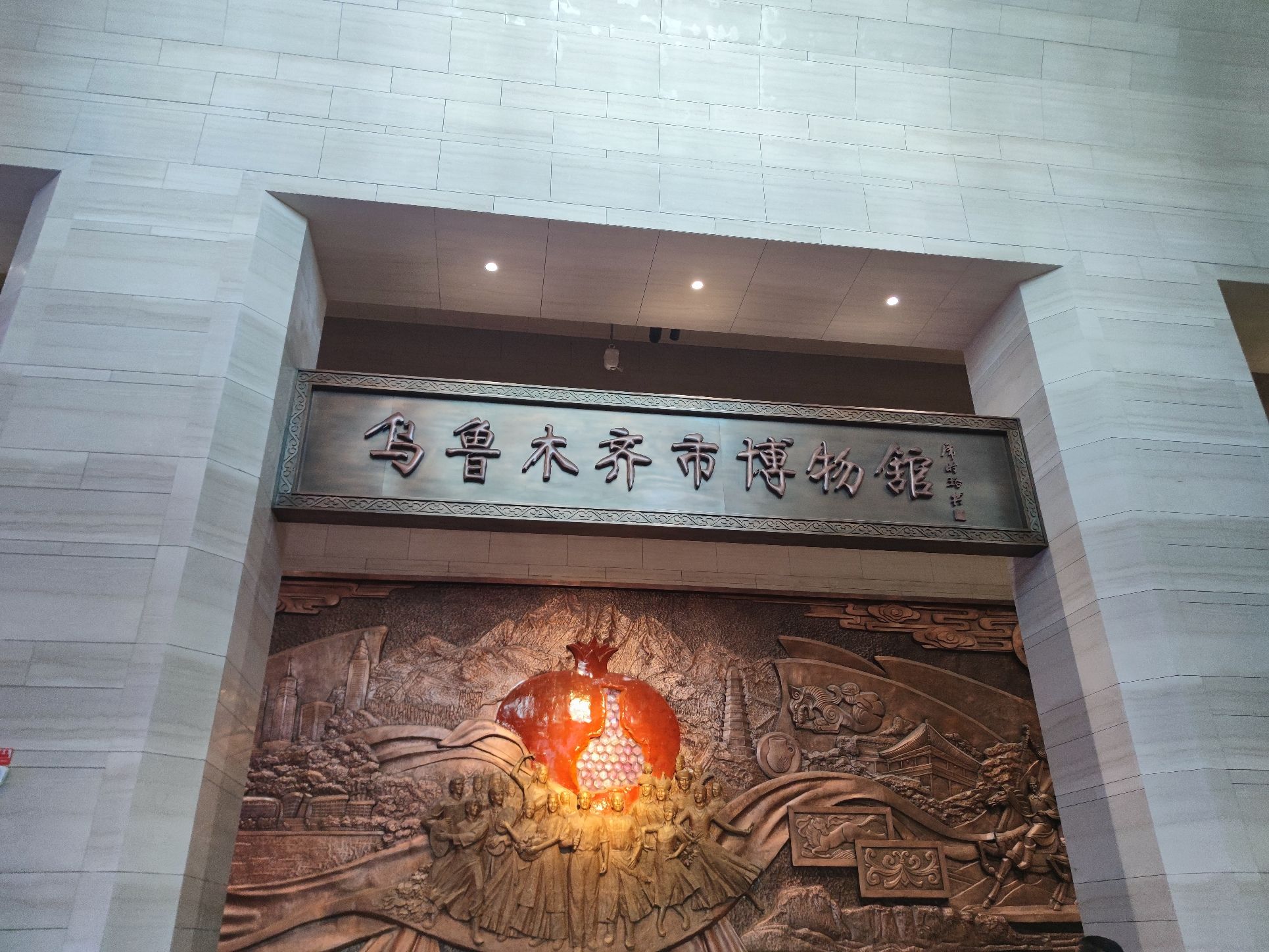
Urumqi Museum
The Urumqi Museum is an important museum in Urumqi, showcasing the history, culture, and natural heritage of Urumqi and its surrounding areas. The museum houses a rich collection of cultural relics and specimens, disseminating scientific and cultural knowledge to the public through its exhibitions. It enjoys a high reputation locally and is an important venue for understanding Urumqi's history and culture.
Must-Try Local Food
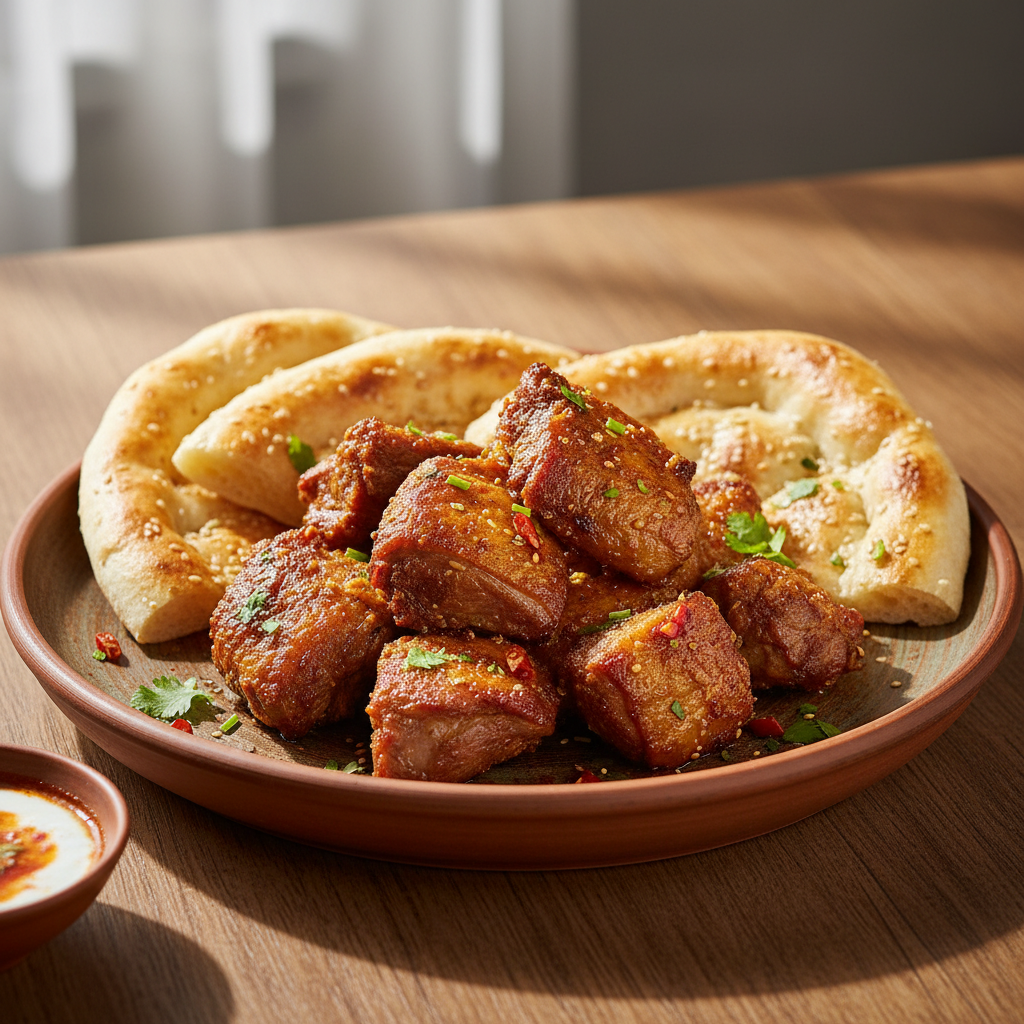
Nang Keng Rou
Nang Keng Rou is a traditional delicacy from the Xinjiang region, primarily made with lamb, roasted in a nang pit. It is characterized by tender meat, a golden and crispy skin, and a unique charcoal aroma. It is usually marinated with various spices during preparation, giving the roasted lamb a rich flavor.
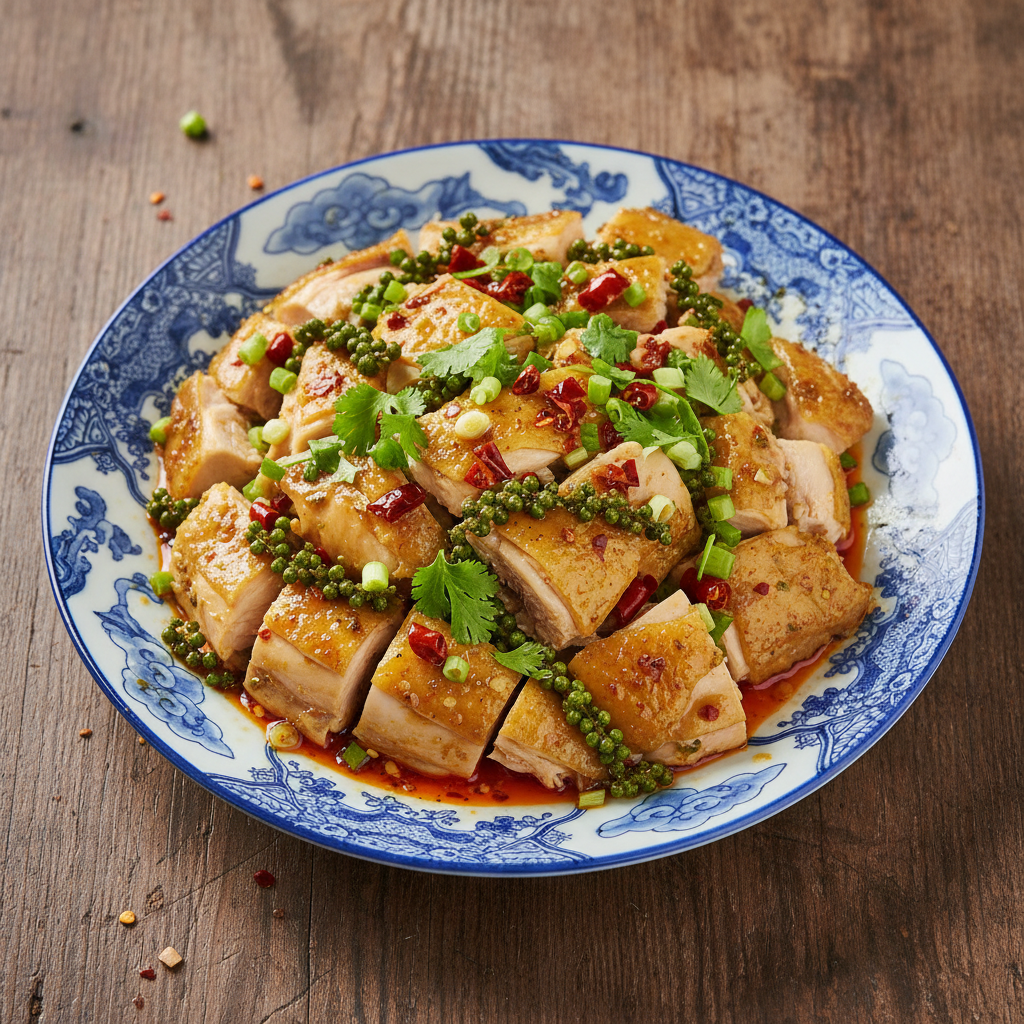
Jiaoma Chicken
Jiaoma Chicken is a classic Sichuan cold dish, made primarily with chicken, seasoned with Sichuan peppercorns, green Sichuan peppercorns, chili, and other spices. It offers a numbing, spicy, fresh, and aromatic flavor, with tender and smooth chicken.
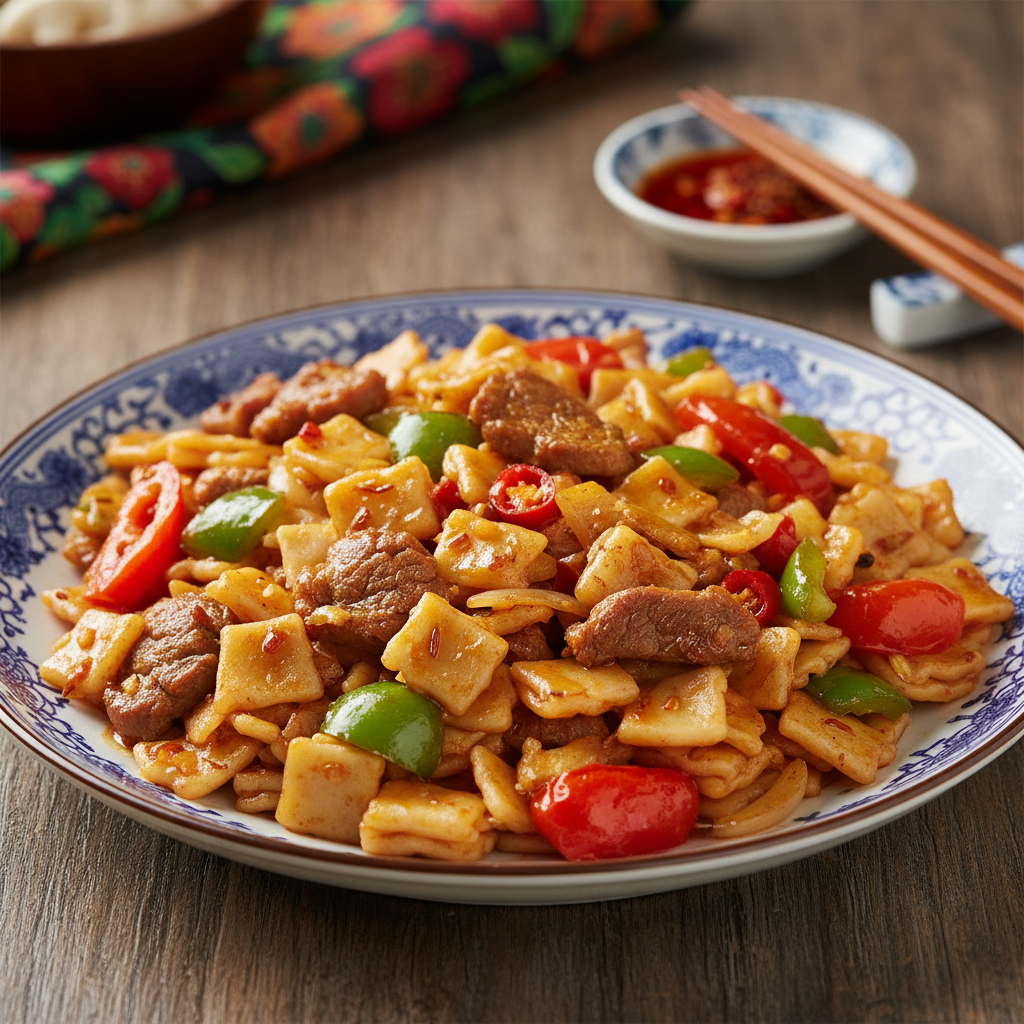
Ding Ding Fried Noodles
Ding Ding Fried Noodles is a specialty dish from the Xinjiang Uygur Autonomous Region, famous for its unique preparation method and flavor. Noodles are cut into small cubes, then stir-fried with meat, vegetables, and seasonings. The noodle cubes are springy and chewy, with rich ingredients and a strong flavor.
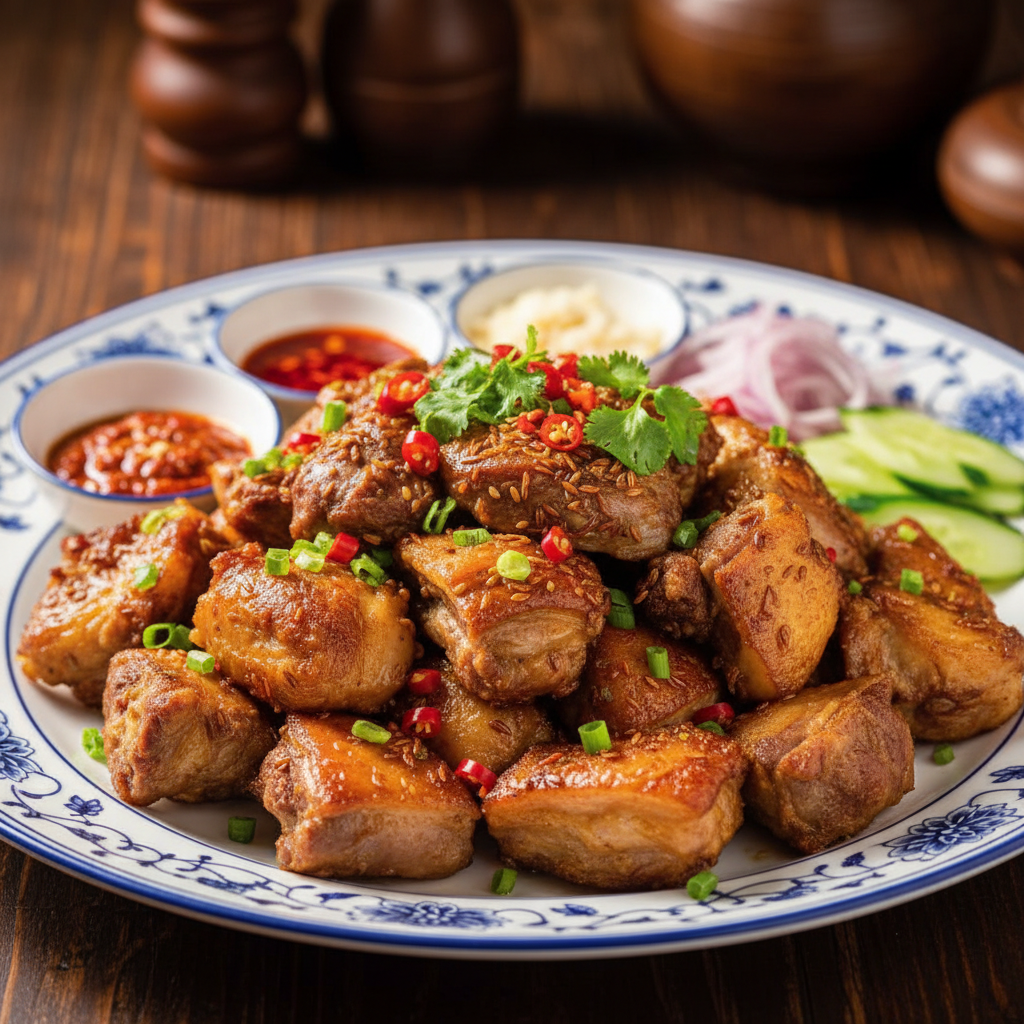
Hand-Grabbed Mutton
Hand-Grabbed Mutton is a traditional dish with a long history in China's Northwest region, especially popular among ethnic minorities such as the Hui and Mongolian people. It typically uses high-quality lamb or lamb ribs, prepared by simple boiling or steaming, aiming to preserve the original freshness of the lamb. It gets its name from the traditional practice of eating it directly with hands, reflecting the bold and uninhibited culinary culture of the people in the Northwest.
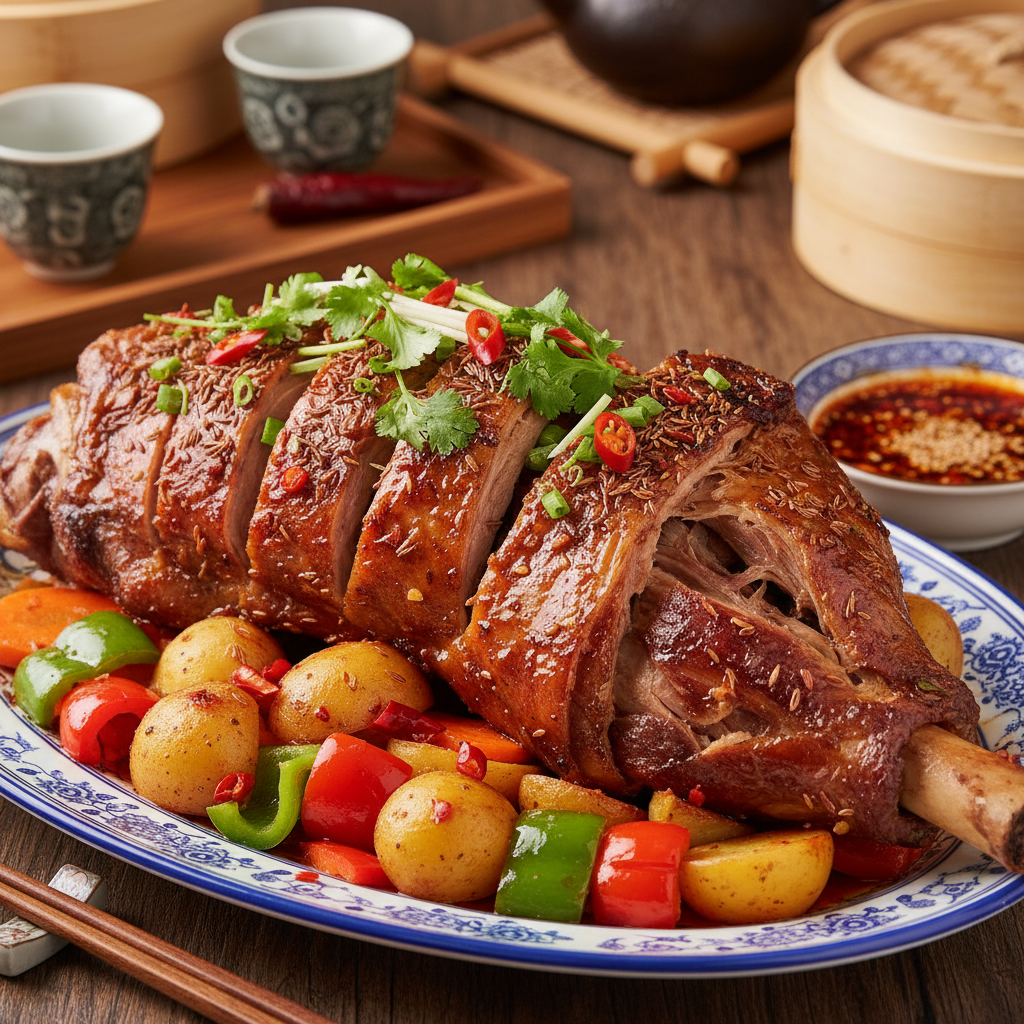
Roasted Lamb Leg
Roasted lamb leg is a dish made primarily from lamb leg, prepared by roasting. It has different preparations and flavors in many parts of the world and is deeply loved by meat enthusiasts.
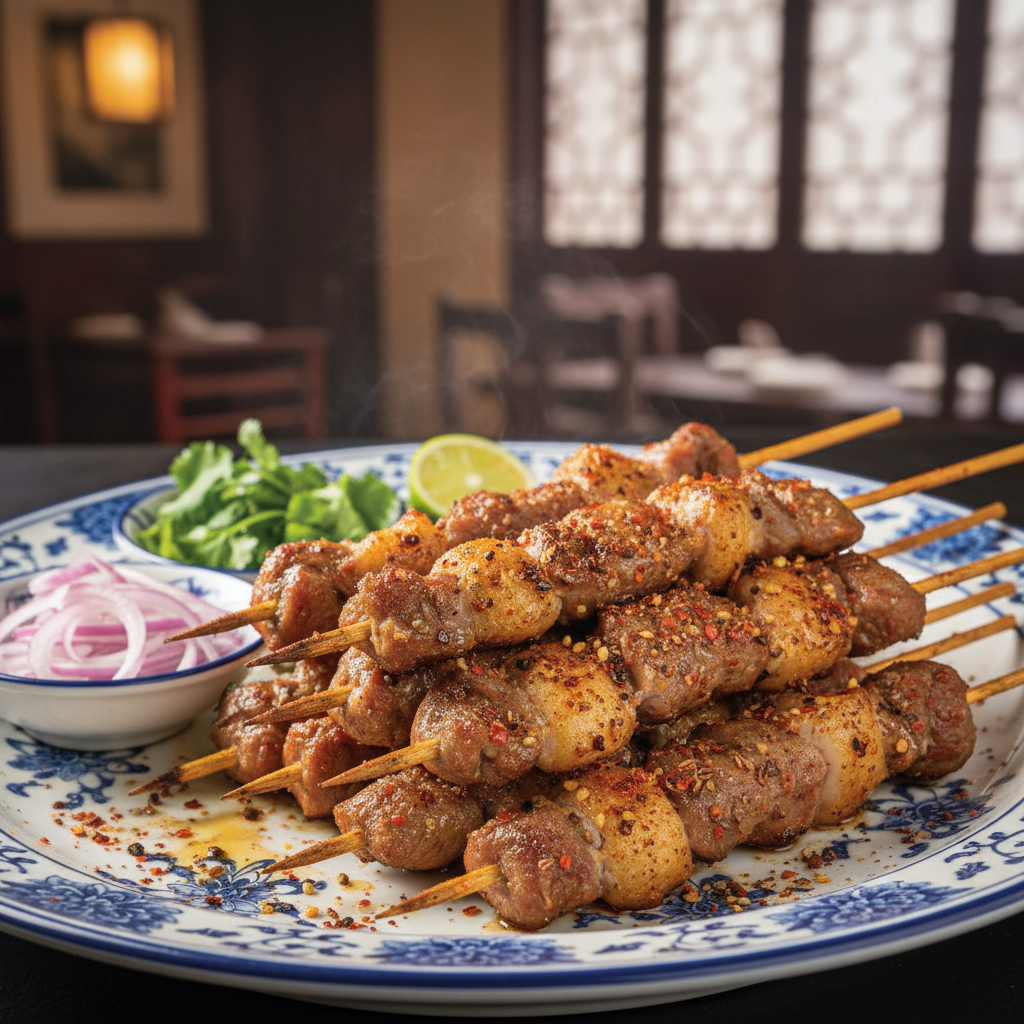
Lamb Skewers
Lamb Skewers (Kao Yang Rou Chuan) is a traditional snack from northern China, especially among the Uyghur people and other ethnic minorities in the northwest. It is an indispensable part of barbecue culture. Made primarily from fresh lamb, cut into small pieces, skewered on iron sticks, seasoned with cumin, chili powder, salt, and other spices, then grilled over charcoal. Well-grilled lamb skewers are golden brown, crispy on the outside and tender on the inside, fragrant, and delicious.