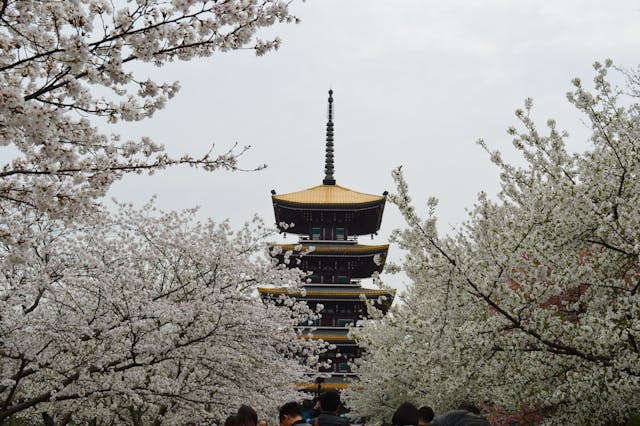
Travel Guide
Wuhan is the capital of Hubei Province, with a population of over 11 million, making it the eighth most populous city in China and one of the nine National Central Cities. Historically a bustling commercial port, Wuhan has had a significant impact on Chinese history. It is located in the eastern part of the Jianghan Plain, at the confluence of the Yangtze River and its largest tributary, the Han River, and is known as the 'Thoroughfare of Nine Provinces'. Wuhan is the political, economic, financial, commercial, cultural, and educational center of Central China, as well as an important transportation hub.
Best Time to Visit
Spring and Autumn
Daily Budget
¥400-800 ($60-120) per day
Getting Around
Subway, Bus, Taxi, Ride-hailing, Ferry
Suggested Stay
3-5 days
Must-Visit Attractions
East Lake Greenway
The East Lake Greenway is a world-class urban greenway located within the East Lake Ecological Tourism Scenic Area in Wuhan. It encircles the beautiful East Lake, stretching 101.9 kilometers in total. It is divided into several themed areas such as Lake Central Path, Lake Mountain Path, Moshan Path, and Tingtao Path, offering an excellent place for citizens and tourists to hike, cycle, sightsee, and relax. The greenway boasts beautiful scenery, rich vegetation, and fresh air along its route, making it a great destination to get close to nature and enjoy a healthy lifestyle.
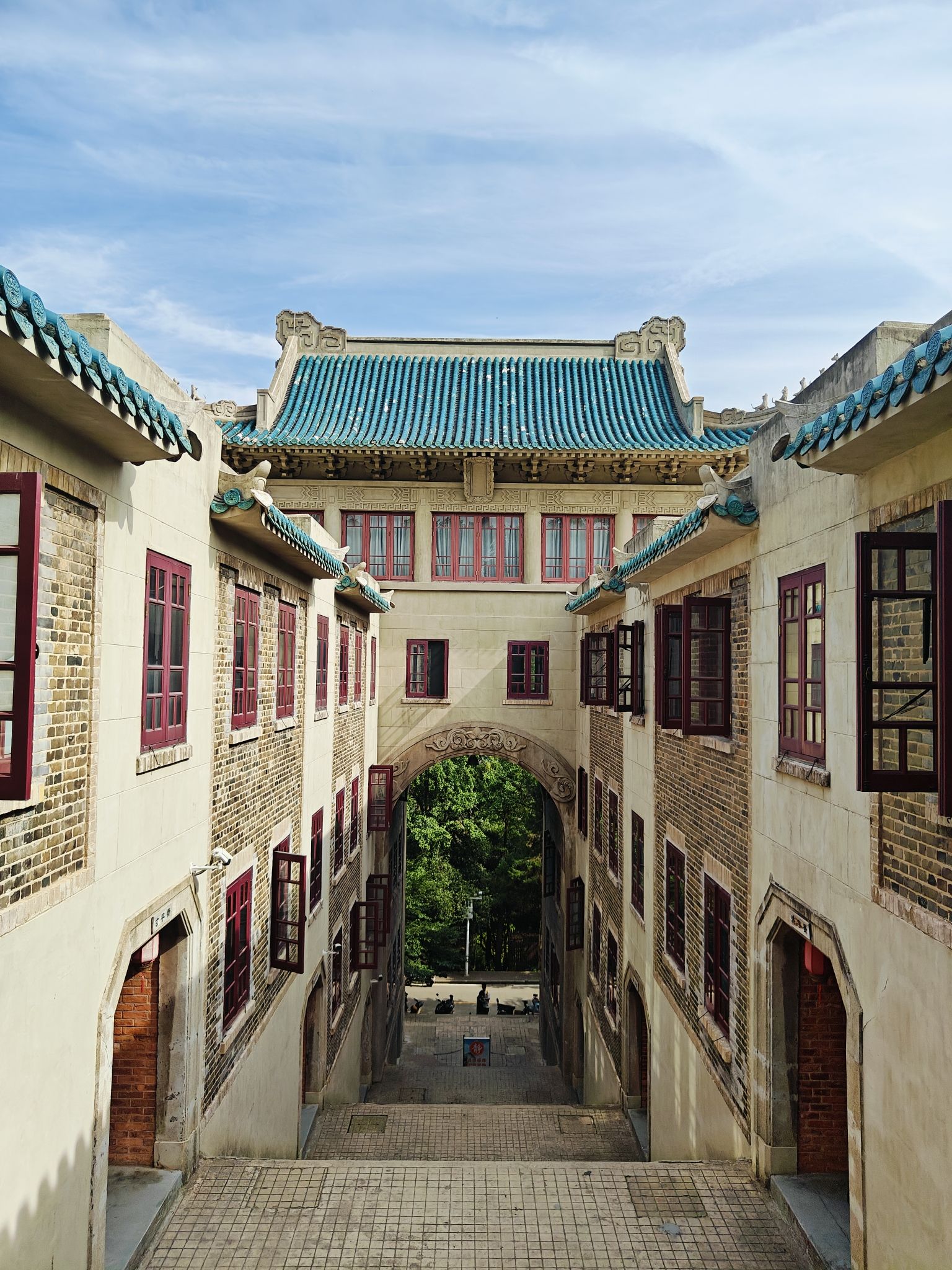
Wuhan University - Cherry Blossom Castle
Wuhan University Cherry Blossom Castle is located within Wuhan University and is one of the most famous attractions when cherry blossoms bloom in spring each year. As one of China's most beautiful universities, Wuhan University's cherry blossom season attracts a large number of visitors. Numerous cherry trees are planted around the Cherry Blossom Castle, creating a breathtaking scene like clouds and mist during the blooming season. In addition to enjoying the cherry blossoms, visitors can also appreciate Wuhan University's unique Republic of China architectural style.
Wuhan Yangtze River Bridge
The Wuhan Yangtze River Bridge is the first double-track railway and highway dual-purpose bridge built across the Yangtze River in China, known as the 'First Bridge over the Yangtze River'. It connects Wuchang District and Hanyang District in Wuhan City, serving as an important transportation hub in China and one of Wuhan's iconic buildings. The bridge was completed and opened to traffic in 1957, ending the history of no bridges across the Wuhan section of the Yangtze River, and holds significant importance for China's economic development.
Hubei Provincial Museum
The Hubei Provincial Museum is the only provincial comprehensive museum in Hubei Province, and also a national first-class museum and a national museum jointly built by central and local governments. It houses over 240,000 cultural relics, including nearly a thousand first-class relics. Representative items include Shang and Zhou bronzes, Chu lacquerware, the Sword of Goujian, the Marquis Yi of Zeng's chime bells, and the Yuan Dynasty blue-and-white 'Four Loves' plum vase, all possessing significant historical, artistic, and scientific value. The museum is located in the East Lake Scenic Area of Wuchang District, Wuhan City, built by the East Lake with a beautiful environment. Its main exhibition halls include the Comprehensive Hall, Chu Culture Hall, and Marquis Yi of Zeng Tomb Exhibition Hall, among others. Advance reservation is recommended.
Guiyuan Temple
Guiyuan Chan Temple (also known as Guiyuan Temple) is a Buddhist temple located on Cuiwei Road, Hanyang District, Wuhan City, Hubei Province, China. It was built in the fifteenth year of Shunzhi in the Qing Dynasty (1658), covering an area of 4.67 acres (1.89 hectares). The Sutra Collection Pavilion, newly built in 1922, is the temple's treasure house. Guiyuan Temple is a famous Chan Buddhist temple in China, known as one of the 'Four Great Jungles' of Wuhan, along with Baotong Temple, Lianxi Temple, and Gude Temple. The temple preserves many Buddhist relics and artworks, especially famous for its Five Hundred Arhat statues in the Arhat Hall.
Yellow Crane Tower
The Yellow Crane Tower is a traditional famous tower in Wuhan, China, first built in 223 AD, and has undergone multiple destructions and reconstructions. The current building was constructed between 1981 and 1985, standing 51.4 meters tall and covering an area of 3,219 square meters. It is located on Snake Hill, about one kilometer from its original site, on the banks of the Yangtze River in Wuchang District. The Yellow Crane Tower is not only famous for its long history and magnificent scenery but also renowned throughout the world for the poem "Yellow Crane Tower" by Tang Dynasty poet Cui Hao, becoming one of the symbols of Chinese culture. At the same time, it is also a sacred place for Taoism, where legend has it that Lü Dongbin attained enlightenment and ascended to immortality. Ancient relics such as the Shengxiang Pagoda are preserved within the tower, serving as important physical materials for studying Wuhan's history and culture.
Must-Try Local Food
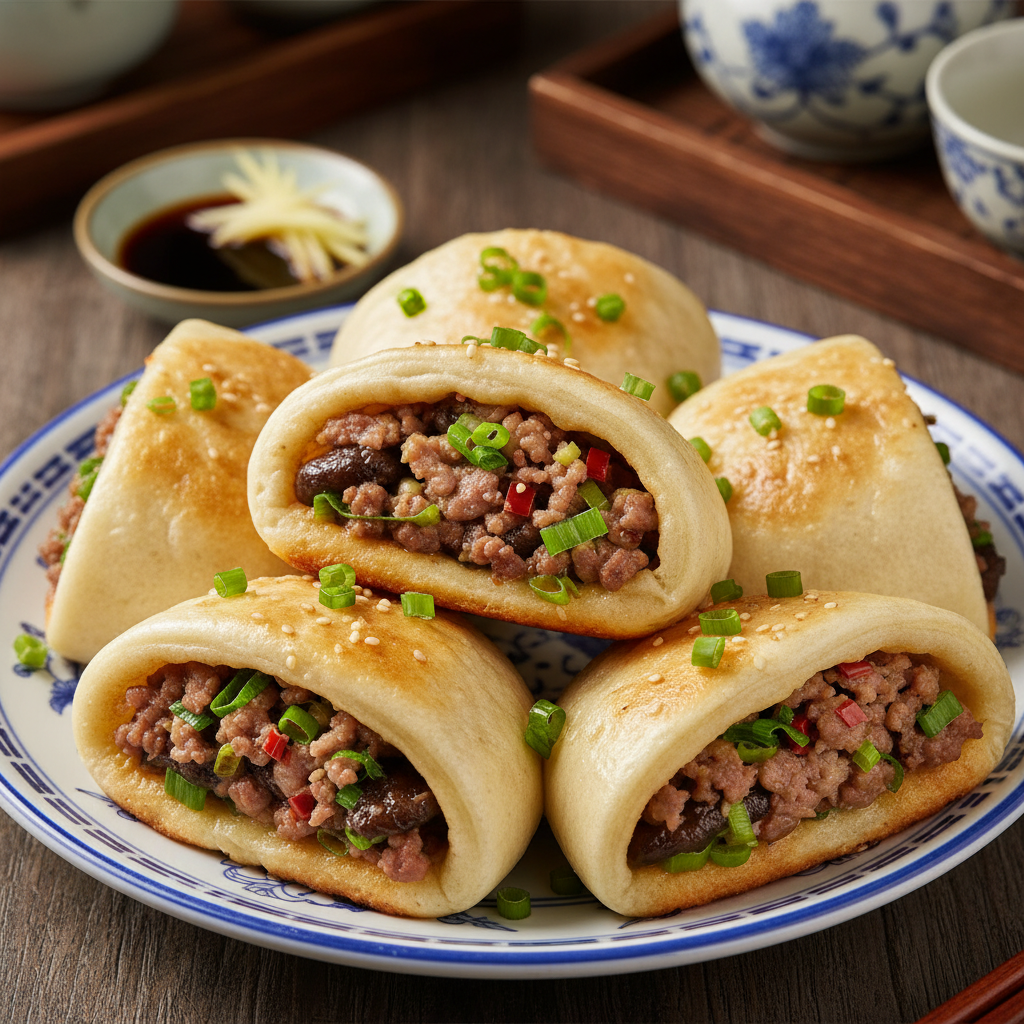
Qishui Bao
Qishui Bao is a specialty snack from Wuhan, Hubei, belonging to the category of semi-fermented pastries. It is characterized by its crispy golden bottom, soft and fluffy white top, and a savory filling, often made with ingredients like vermicelli, dried tofu, diced radish, and diced pork.
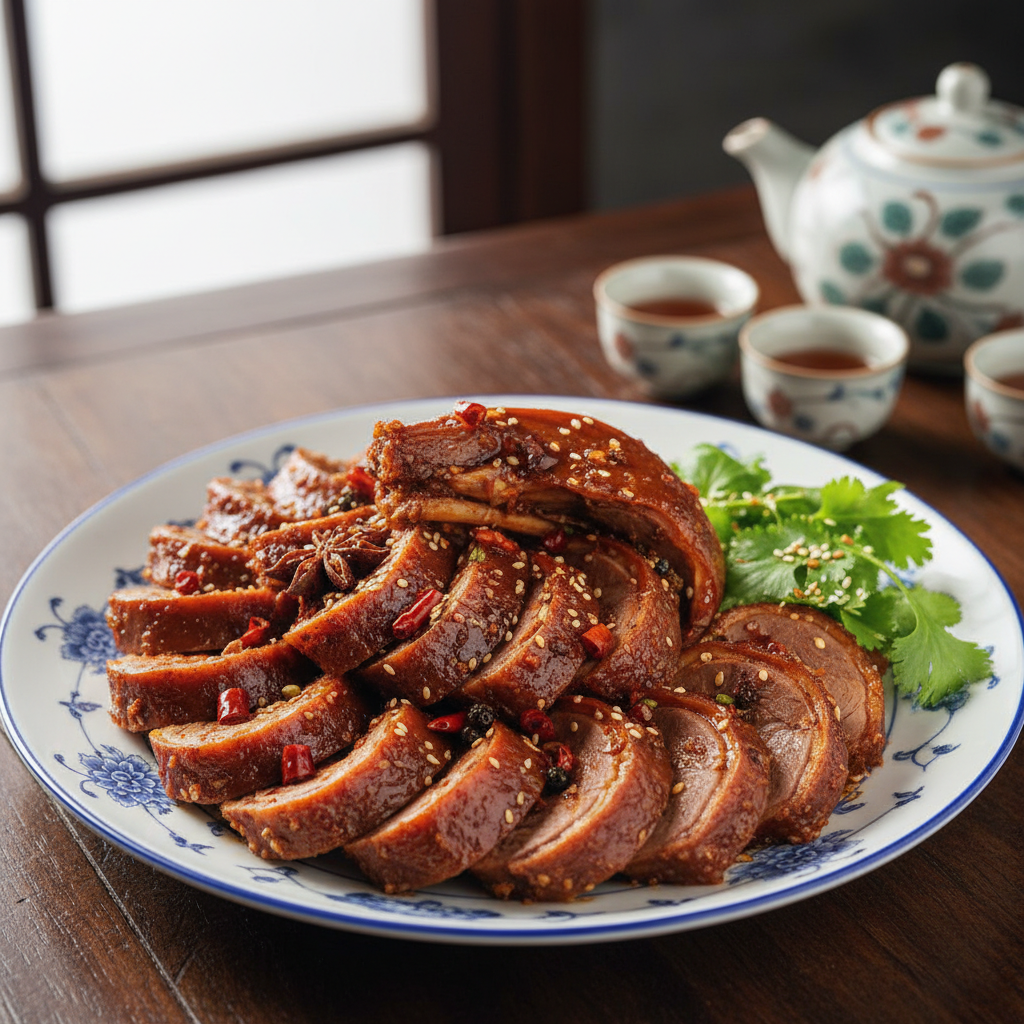
Duck Neck
A flavorful snack primarily made from duck neck, cooked with braising or secret marinades. It has a fresh, aromatic, spicy, and numbing taste, making it a popular casual food. Products typically come in various flavors such as spicy and numbing, sweet and spicy, savory, and five-spice.
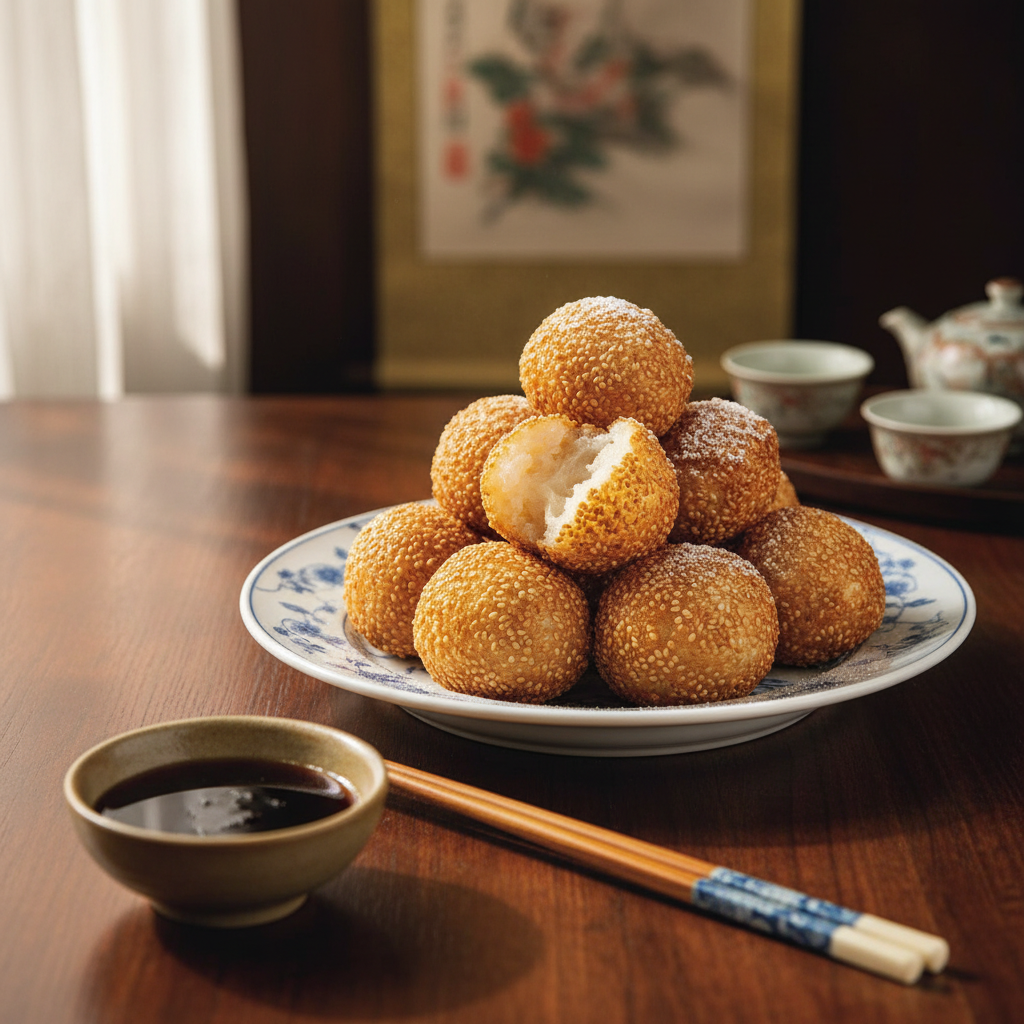
Huanxitou
Huanxitou, also known as "Ma Tuan" or "Jian Dui" (Sesame Ball), is a traditional snack from Wuhan, Hubei Province, China. It is primarily made from glutinous rice flour, often filled with red bean paste or sesame paste, and coated with a dense layer of white sesame seeds before being deep-fried until golden and crispy. It symbolizes reunion, joy, and good fortune, and is a beloved local delicacy.
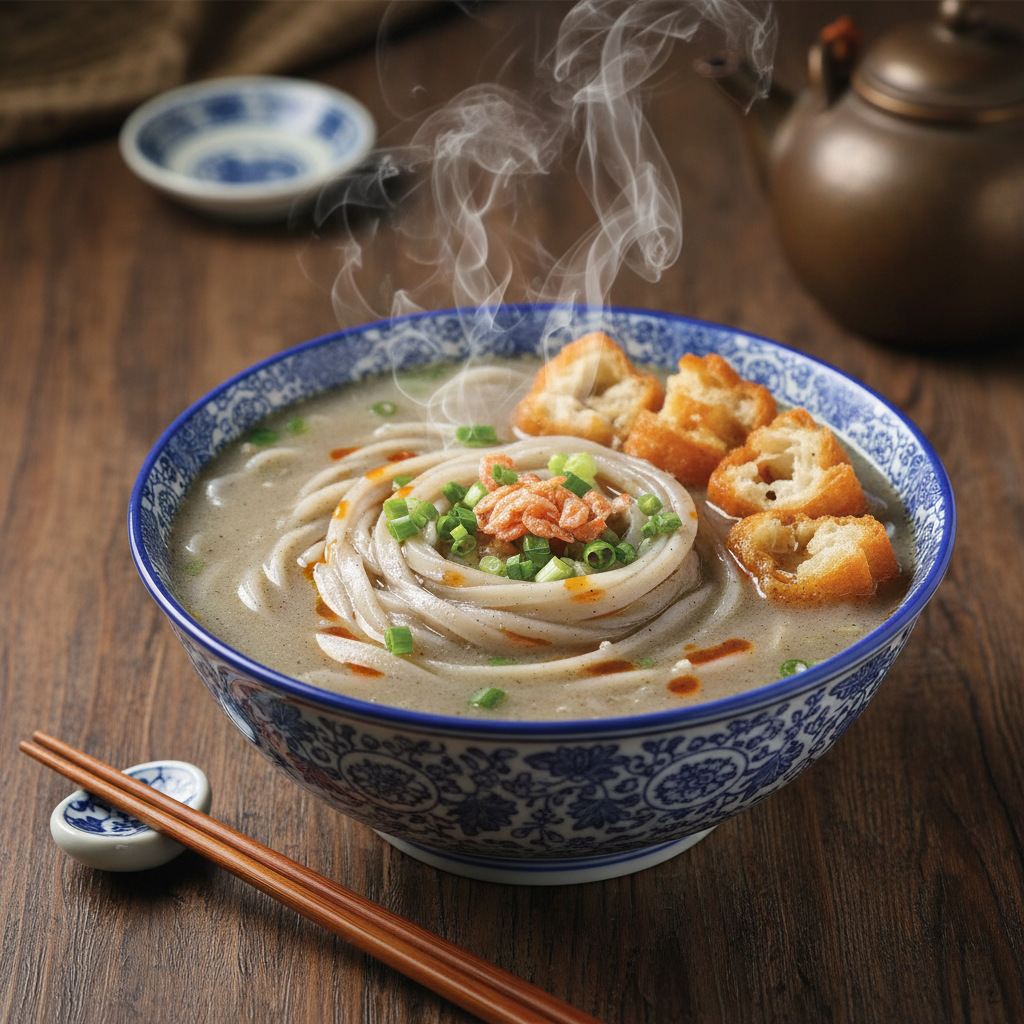
Hutangfen (Paste Soup Rice Noodles)
Hutangfen is a local specialty snack from Wuhan, primarily made with rice noodles, served in a rich soup base simmered from fish bones, and various ingredients. It is characterized by its thick broth, soft and glutinous rice noodles, and delicious flavor with a strong fish aroma. It is typically eaten with fried dough sticks (youtiao) or mianwo (fried dough cake).
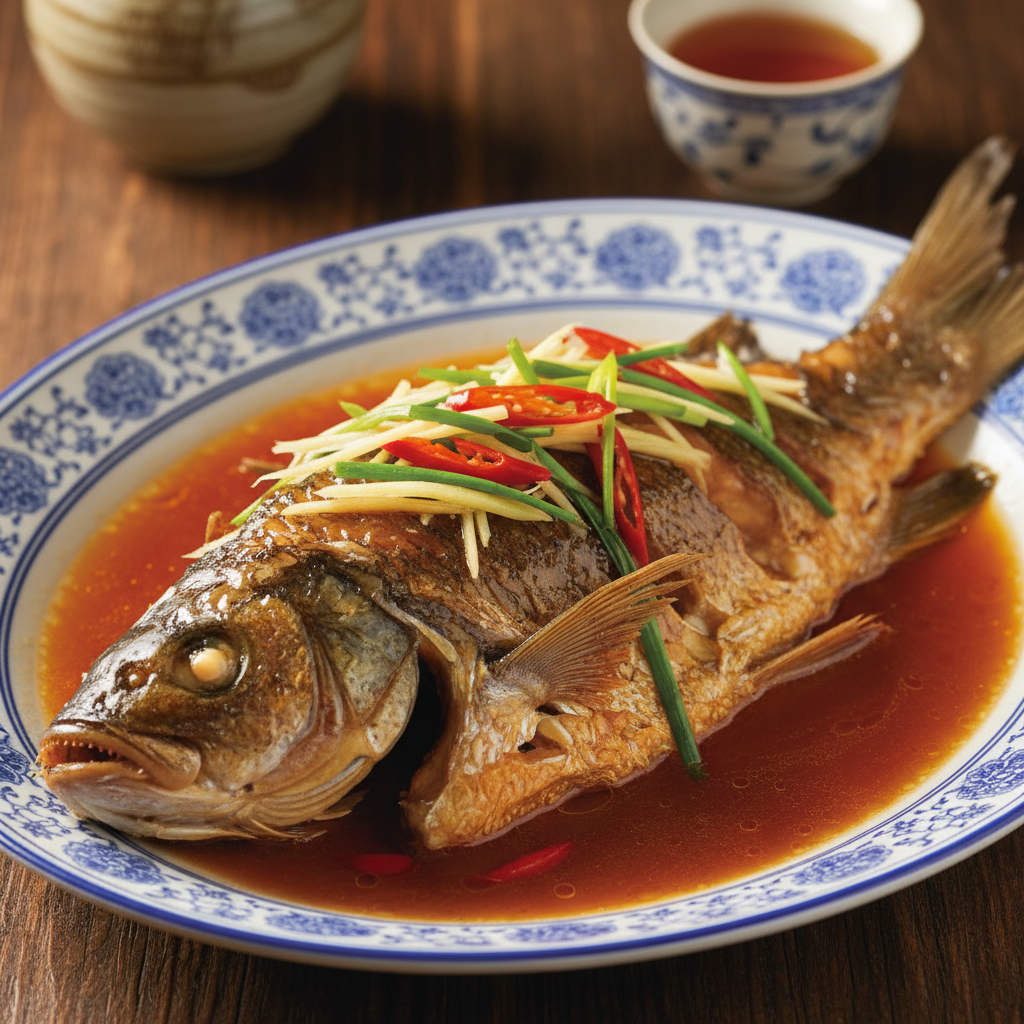
Wuchang Bream
Wuchang bream (Megalobrama amblycephala) is a freshwater bony fish belonging to the carp family. It is widely distributed in the waters of China's Yangtze River basin, including Liangzi Lake. Wuchang bream is an important aquaculture fish, and in 2012, its total production ranked 12th among the world's most important aquaculture fish, with a total output of 710,000 tons, valued at 1.16 billion US dollars.
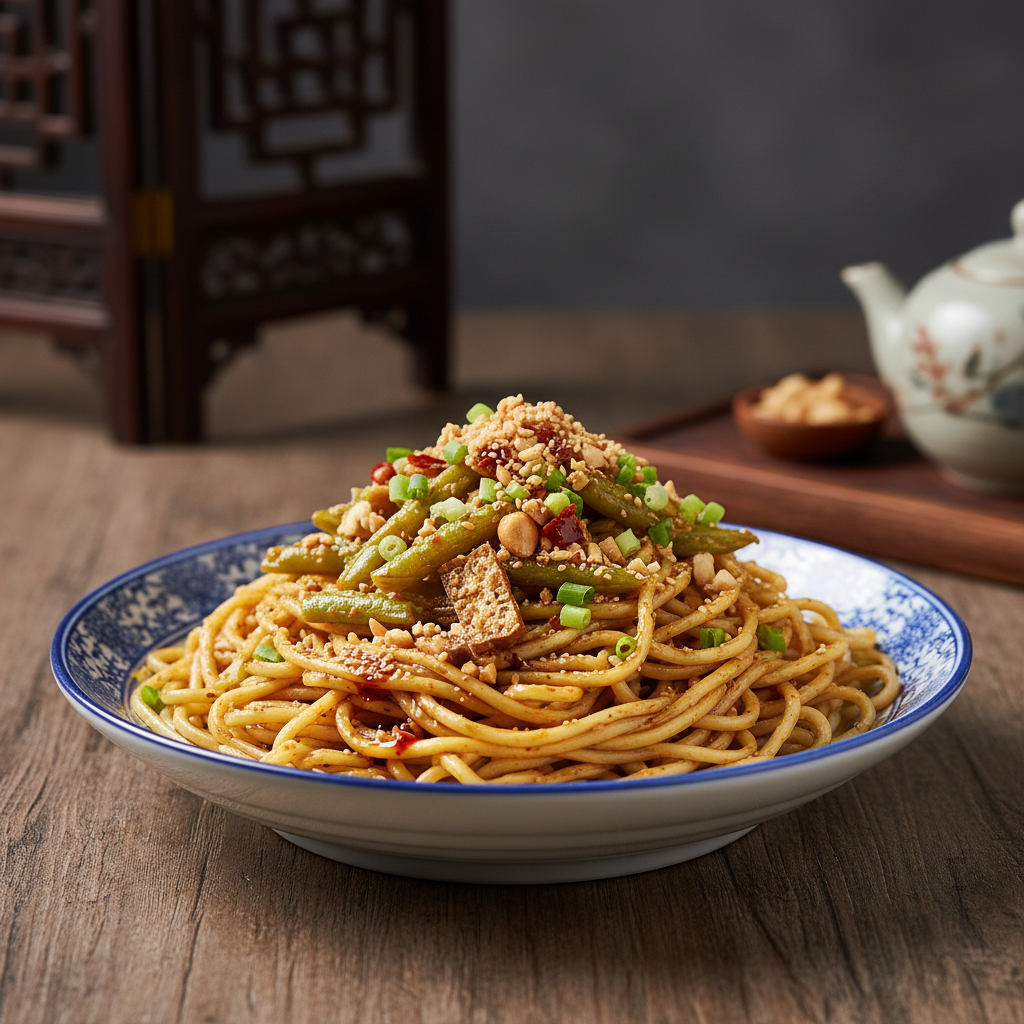
Cold Noodles
Cold noodles are a popular noodle dish across China, especially beloved in summer. It typically consists of cooked noodles that are cooled down, then topped with various sauces and side dishes. While the flavors of cold noodles vary significantly by region, they are all characterized by their refreshing and appetizing taste, and chewy noodles.