Travel Guide
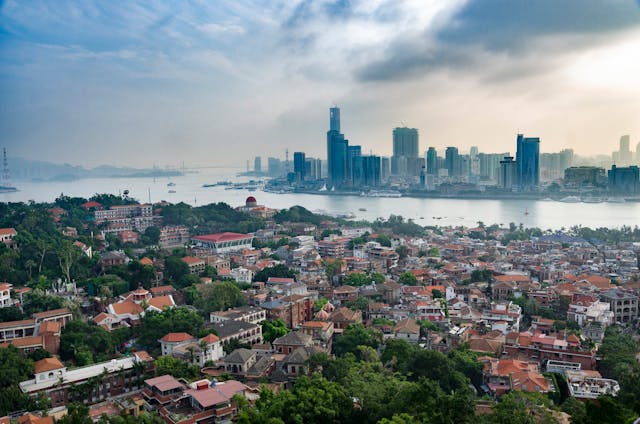
Xiamen is a sub-provincial city in southeastern Fujian Province, People's Republic of China, located on the west coast of the Taiwan Strait. As one of China's earliest four special economic zones, Xiamen is an important international seaport, ranks among the top 40 in the world in scientific research, and boasts several prestigious universities, including Xiamen University. Xiamen was also an important departure point for many early Nanyang immigrants, possessing a rich historical and cultural heritage and unique Southern Fujian customs.
Best Time to Visit
Spring and Autumn (March-May, September-November)
Daily Budget
¥400-800 ($60-120) per day
Getting Around
Subway, Bus, Taxi, Ride-hailing service, Ferry (to and from Gulangyu Island)
Suggested Stay
3-5 days
Must-Visit Attractions
Huandao Road
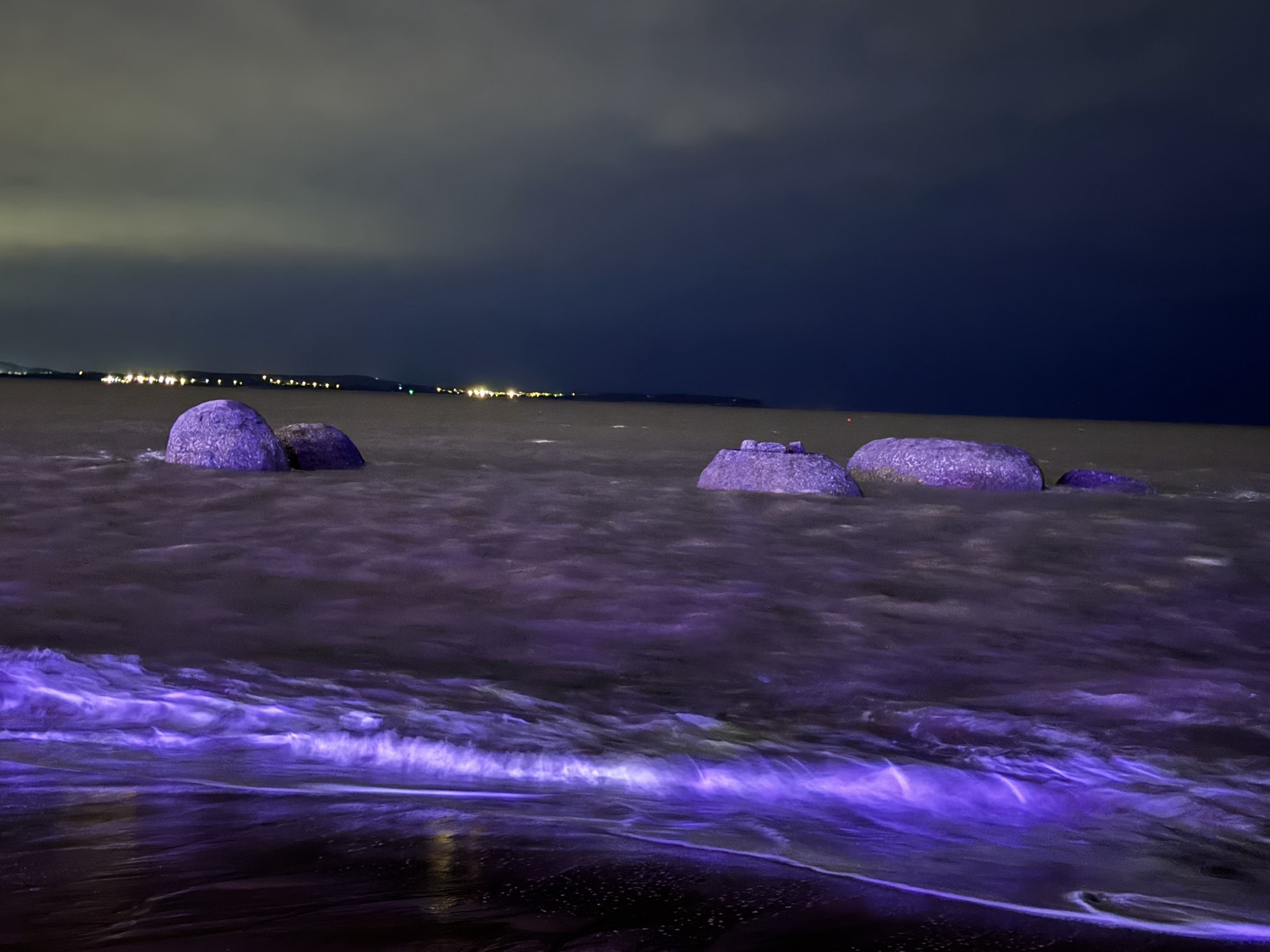
Huandao Road is a circular urban main road on Xiamen Island, Xiamen City, with a total length of 43 kilometers, passing through Siming District and Huli District. The road was built in 1991 and has become one of Xiamen's famous tourist attractions due to its unique coastal scenery. The 13-kilometer section of Huandao Road from Xiamen University Baicheng to Xiangshan is known as "East Ring Sea View," with beautiful scenery along the way, where you can see islands such as Lieyu and Dadang, as well as the "One Country, Two Systems" slogan sign.
Organ Museum (Bagua Tower)
The Xiamen Organ Museum (Bagua Tower) is located on the picturesque Gulangyu Island, situated within the famous Bagua Tower. The Bagua Tower was originally Lin Erjia's private villa, built in 1907, and is one of Gulangyu Island's iconic buildings. This museum is China's only organ museum, housing various precious pipe organs, accordions, and other instruments, showcasing the development history of world organ art. Gulangyu Island is renowned as the "Island of Pianos" and "Island of Music," and the Organ Museum is an important part of this reputation. Visitors can appreciate exquisite architectural art and the unique charm of musical instruments here.
Xiamen Botanical Garden
Xiamen Botanical Garden, also known as Wanshi Botanical Garden, was founded in 1960 and is located in Siming District, Xiamen Island, covering an area of 493 hectares. The garden preserves over 9,000 species of living plants and is China's largest succulent plant exhibition area. It has been rated as a National AAAAA Tourist Attraction by the Ministry of Culture and Tourism of the People's Republic of China. Deng Xiaoping planted a camphor tree here in 1984.
Xiamen University Siming Campus
Xiamen University, abbreviated as XMU, was founded in 1921 by the renowned patriotic overseas Chinese leader Mr. Tan Kah Kee. It is the first university in modern Chinese educational history to be founded by an overseas Chinese, and also one of the earliest universities in China. The university is nestled between mountains and the sea, boasting beautiful scenery, and is known as 'one of the most beautiful universities in China'. As a key university under the national 'Project 211' and 'Project 985', and a 'Double First-Class' university, XMU holds advantages in various fields such as mathematics, chemistry, oceanography, economics, management, and law. The campus features famous attractions like Furong Lake, Furong Tunnel, and Lover's Valley, attracting numerous visitors.
Zhongshan Road Pedestrian Street
Xiamen Zhongshan Road Pedestrian Street is Xiamen's oldest commercial street, retaining a relatively complete modern historical appearance. It is one of the commercial centers in Xiamen and even the whole country. The architectural style along the street is unique, with numerous arcade buildings (qilou), blending Nanyang (Southeast Asian) charm with Southern Fujian characteristics. The street is home to numerous shops and a plethora of snacks, making it an excellent destination for shopping, dining, and experiencing historical culture. The pedestrian street leads directly to the sea, and at night, it's brightly lit, offering a unique charm.
Nanputuo Temple
Nanputuo Temple is a famous Buddhist temple, originally built during the Tang Dynasty. It is located in the southeastern part of Xiamen Island, adjacent to Xiamen University, backed by Wulao Peak, and facing the blue sea. The temple is surrounded by many deep caves and lush green forests. It gets its name from being located south of Mount Putuo in Zhejiang (a sacred Buddhist site and the bodhimanda of Guanyin). The temple was rebuilt during the Ming Dynasty and expanded during the Kangxi reign of the Qing Dynasty with donations from General Shi Lang, dedicated to Guanyin Bodhisattva. The temple houses the Minnan Buddhist Academy, which is one of China's important bases for Buddhist education.
Must-Try Local Food
Blanched Octopus
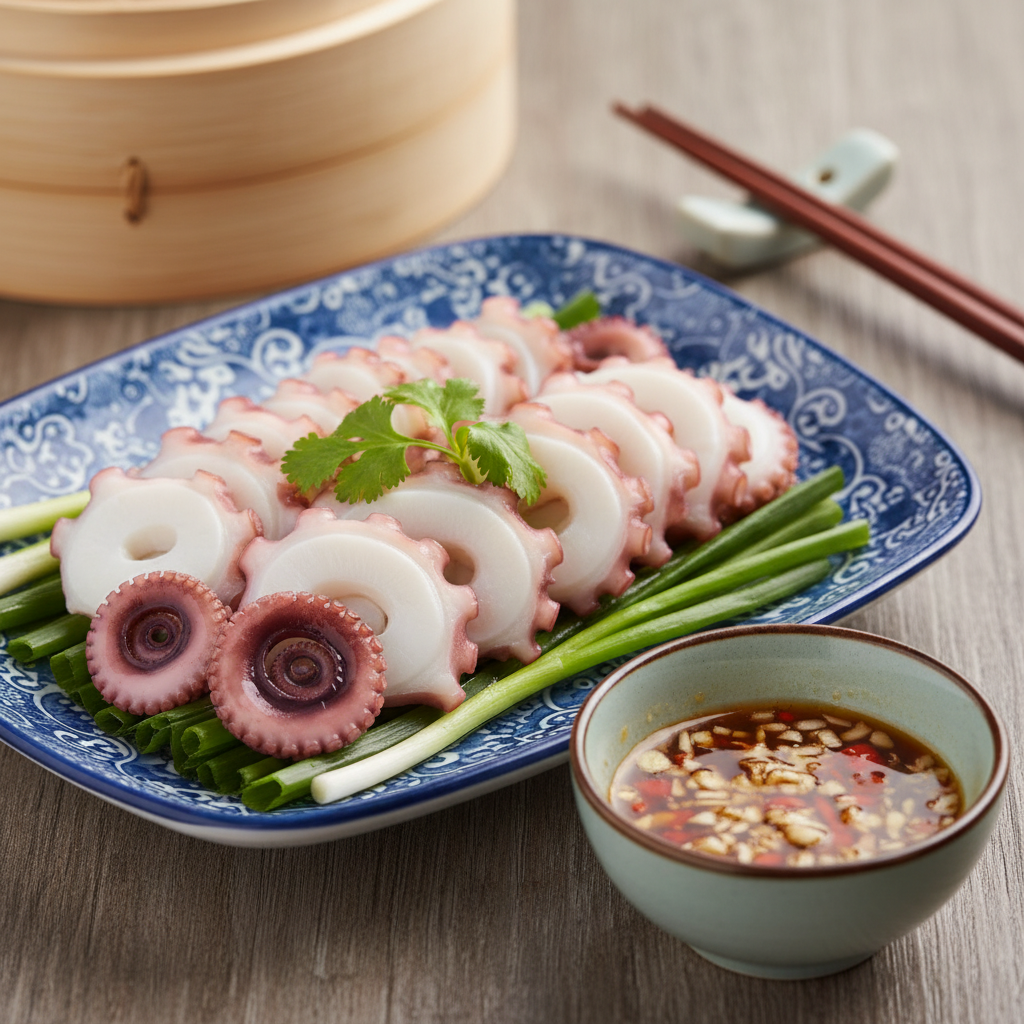
A widely popular seafood dish, made with fresh octopus as the main ingredient, cooked by quick blanching. It aims to preserve the octopus's original freshness and tender-crisp texture, usually served with a simple dipping sauce.
Xiamen Pie
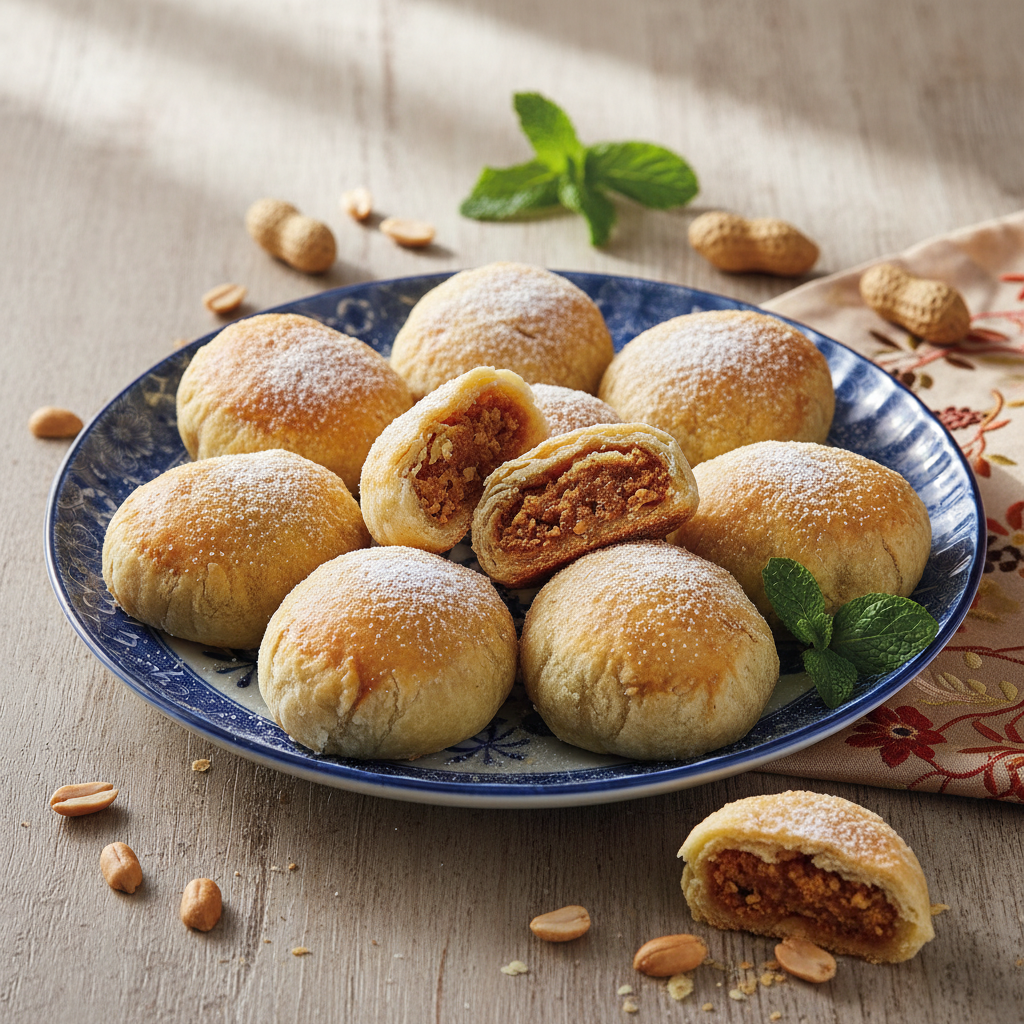
Xiamen Pie is a traditional pastry from Xiamen City, Fujian Province, with a history of over a hundred years. It typically uses fillings such as mung bean, pork, or pineapple. Its crust is crispy and flaky, the filling is sweet and fragrant, offering a unique taste. It is a local specialty snack and souvenir in Xiamen.
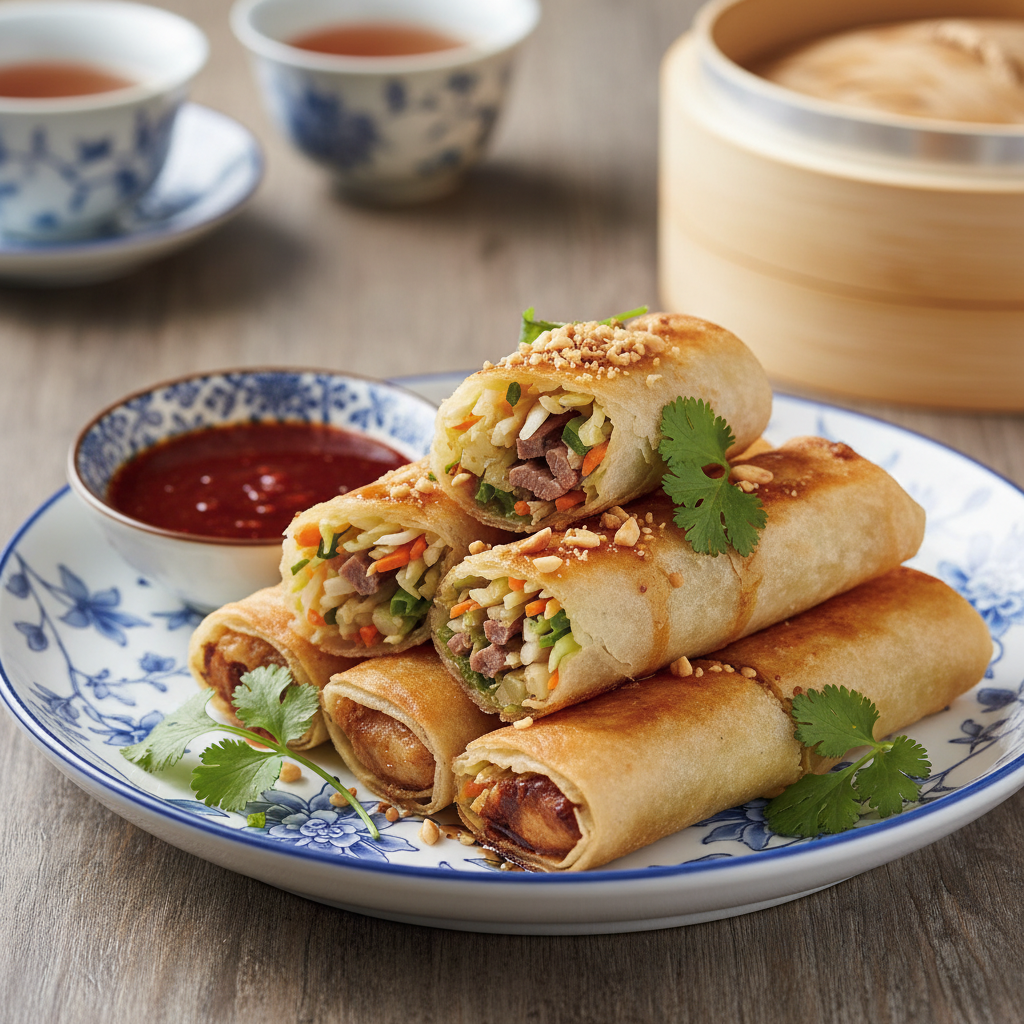
Xiamen Spring Roll
Xiamen Spring Roll is a specialty snack from Xiamen, Fujian. Unlike common fried spring rolls, it typically refers to a fresh spring roll made by wrapping various stir-fried fillings in a paper-thin 'runbing' wrapper, then rolling it up and eating it. The fillings are rich and diverse, commonly including shredded carrots, shredded cabbage, dried tofu, shredded pork, shrimp, oysters, winter bamboo shoots, etc. It has a light and delicious taste and is rich in nutrients.
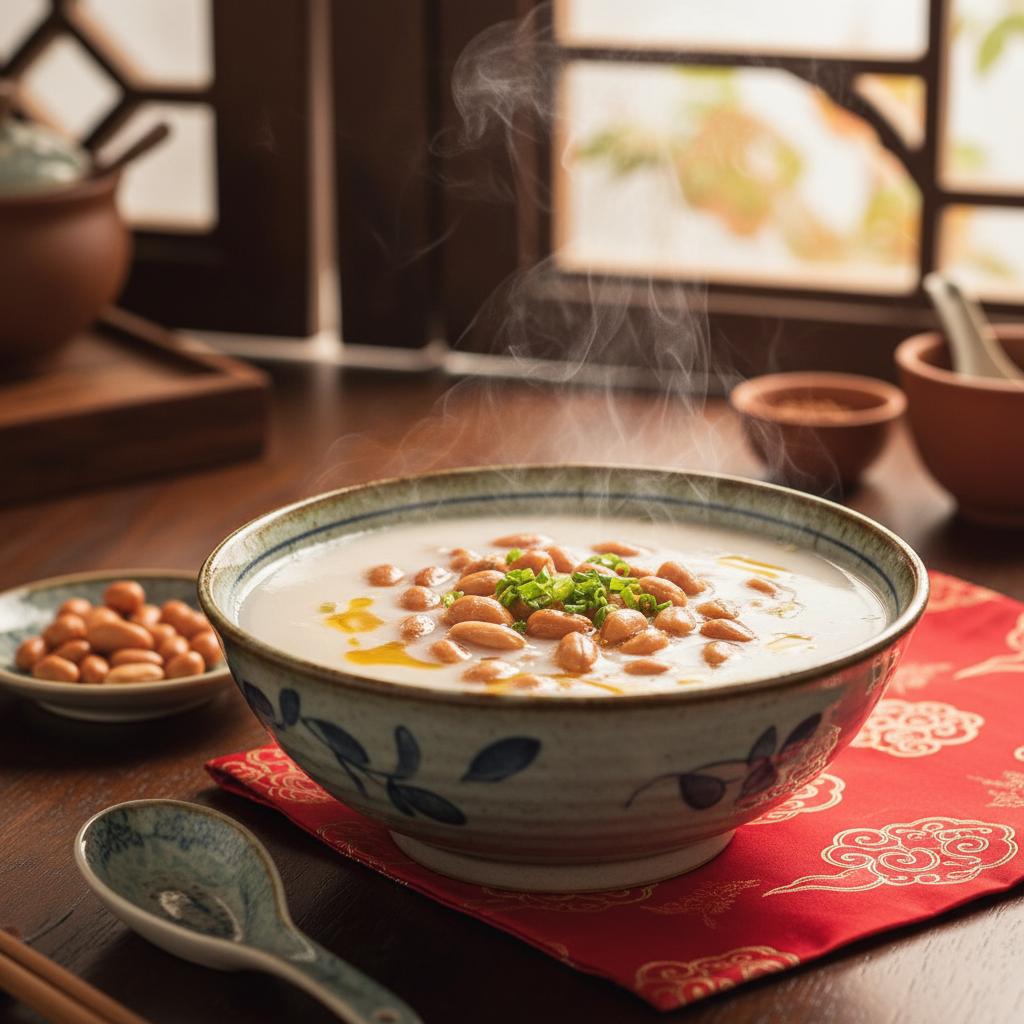
Peanut Soup
Peanut Soup is a traditional Chinese dessert soup, made primarily from peanuts, boiled until it achieves a sweet and smooth texture. It is often enjoyed as a dessert after meals or as a snack.
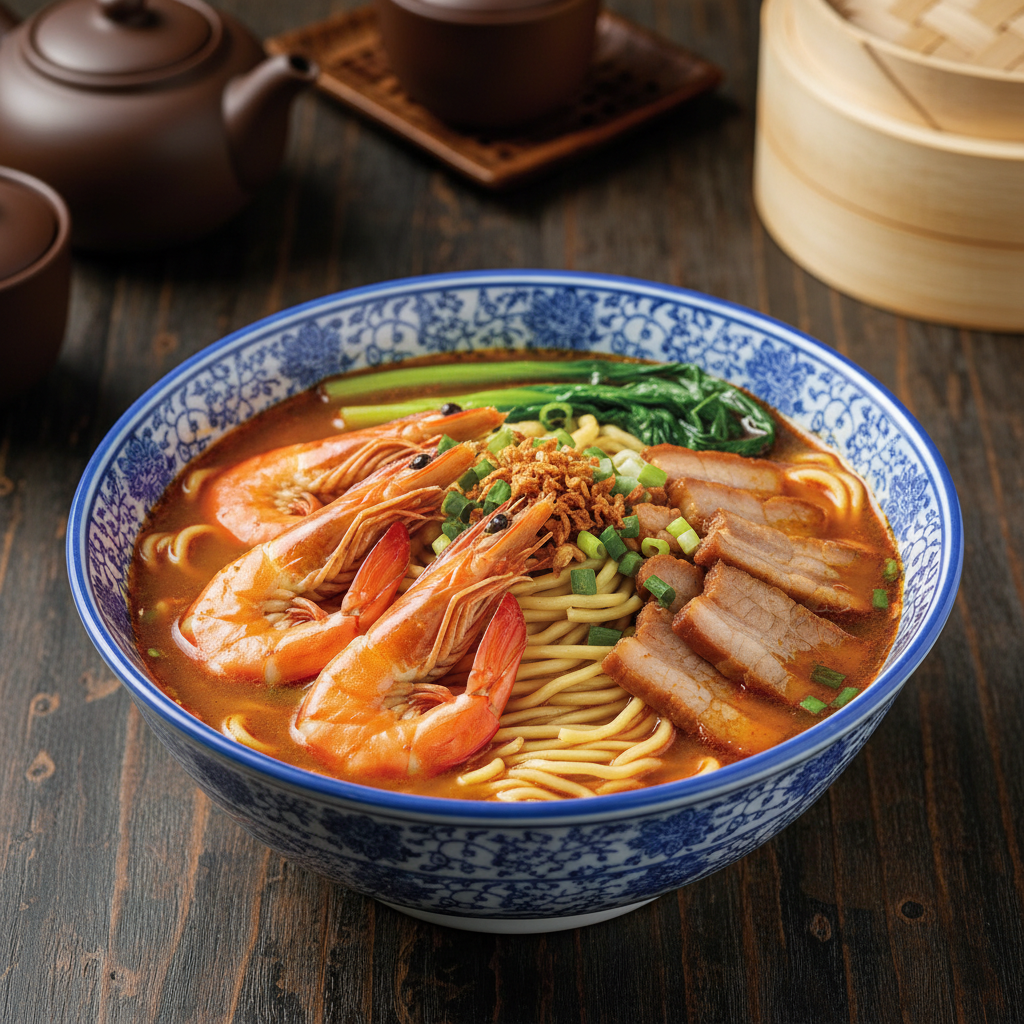
Hokkien Mee
Hokkien Mee (literally "Fujian noodles") refers to a group of related Southeast Asian dishes originating from the cuisine of Fujian Province, China. Singaporean Hokkien Mee: Consists of egg noodles and rice vermicelli stir-fried with eggs, sliced pork, prawns, and squid. Its key lies in the rich, aromatic broth, simmered for hours from prawns and pork bones. Malaysian Penang Hokkien Mee: Known for its distinctively spicy prawn broth. It primarily consists of rice vermicelli and thicker yellow egg noodles, with a soup base made from prawn heads, prawn shells, and pork ribs. Sliced prawns or shrimp, sliced pork, hard-boiled eggs, and water spinach are also added to the noodle soup.
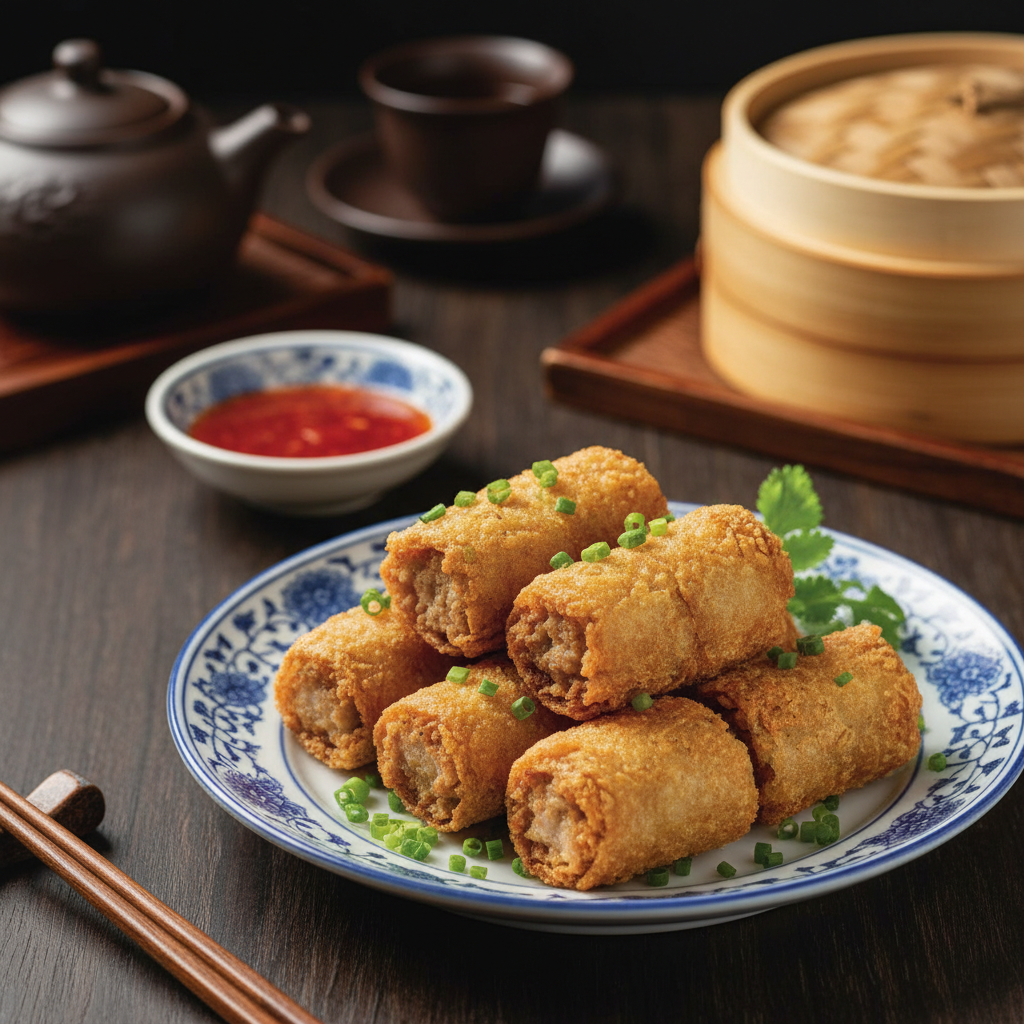
Five Spice Roll
Zha Wuxiang, also known as Five Spice Roll, is a traditional local snack originating from Fujian Province, China, particularly popular in the Minnan and Chaoshan regions (Chaozhou cuisine). It typically consists of diced pork, water chestnuts, onions, five-spice powder, and other fillings wrapped in bean curd skin, then deep-fried. It has a crispy exterior, tender interior, and a savory flavor.