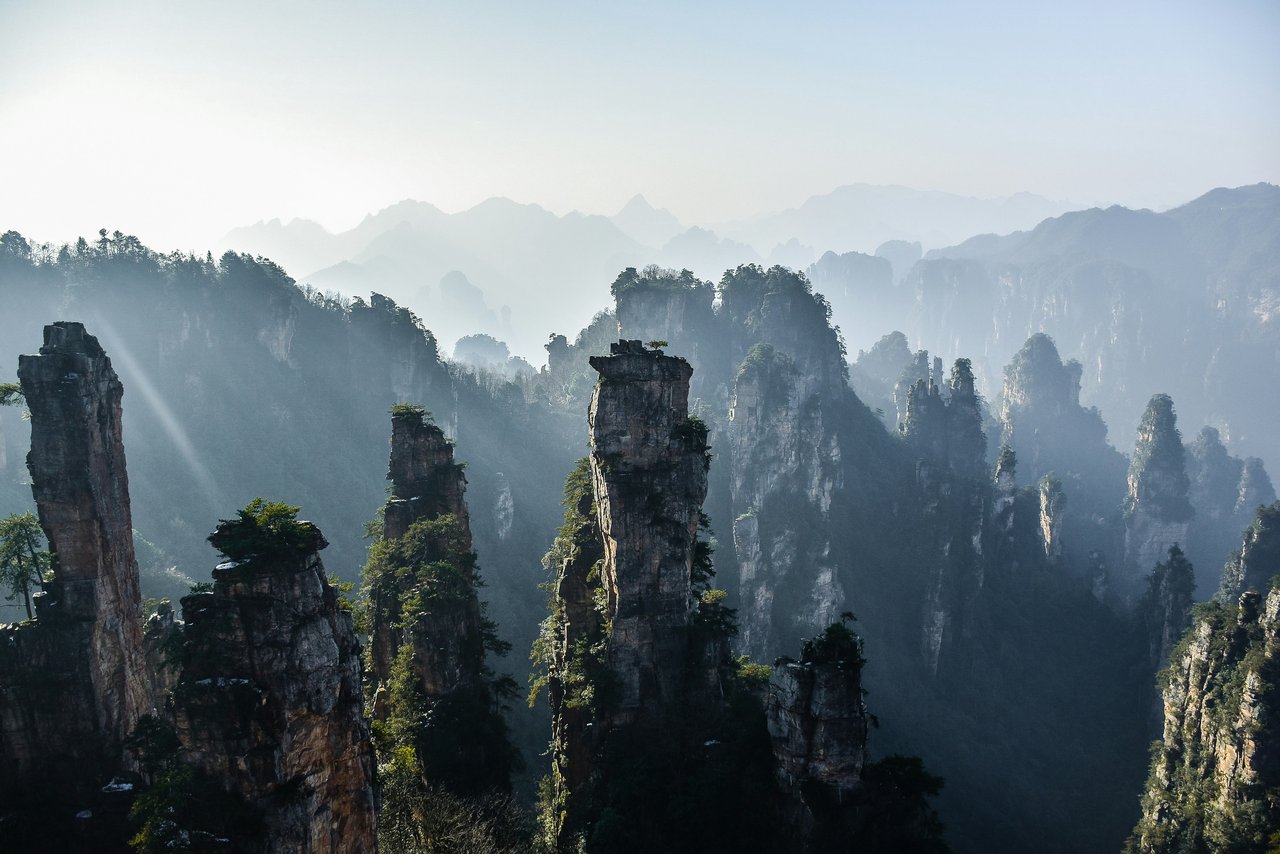
Travel Guide
Zhangjiajie is a prefecture-level city in northwestern Hunan Province, People's Republic of China, administering Yongding District, Wulingyuan District, and Cili and Sangzhi counties. It is home to Zhangjiajie National Forest Park, which is part of the Wulingyuan Scenic and Historic Interest Area, a UNESCO World Heritage Site since 1992. The city's history dates back to 221 BC and was formerly known as Dayong. In 1994, it was renamed Zhangjiajie to highlight its World Heritage status.
Best Time to Visit
Spring and Autumn
Daily Budget
¥400-800 ($60-120) per day
Getting Around
Airplane, Train, Long-distance bus, Scenic area environmental protection vehicle, Cable car
Suggested Stay
3-5 days
Must-Visit Attractions
Huanglong Cave Scenic Area
Huanglong Cave is a karst cave located in Wulingyuan District, Zhangjiajie City, Hunan Province, China, and is also a national 4A-level scenic area. As of 2010, it attracted over one million visitors annually. Besides the cave itself, the Huanglong Cave Scenic Area also includes the Huanglong Cave Ecological Square and the 'Hallelujah Concert Hall', built at a cost of 160 million RMB. The cave system covers a total area of 48 hectares and is 15 kilometers long, divided into dry and water caves. It features four levels, thirteen halls, three underground waterfalls, two underground rivers, three pools, ninety-six passages, and one underground lake. The largest hall within the cave measures 4000 square meters, and the highest of the three waterfalls is 50 meters tall. A guided tour of the cave takes approximately two hours, including a boat ride on the underground river.

Mountain-Traversing Escalator
The Mountain-Traversing Escalator is located within Zhangjiajie Tianmen Mountain National Forest Park and is one of the key transportation facilities in the Tianmen Cave scenic area. It ascends directly from the bottom of Tianmen Cave to the mountain peak, divided into seven sections, with a total ascent height of 340 meters and a total length of 800 meters. Built into the mountain, the escalator is grand and magnificent, offering unique scenic views along the way. It is an important way for domestic and international tourists to experience the unique charm of Tianmen Mountain.
Zhangjiajie Grand Canyon
Zhangjiajie Grand Canyon is located in Zhangjiajie City, Hunan Province, and is a natural scenic area integrating mountains, water, caves, and canyons. It features the world's longest and highest glass bridge – Zhangjiajie Grand Canyon Glass Bridge (Yuntiandu), suspended 300 meters high, with a total length of 430 meters and a width of 6 meters. Its fully transparent glass deck can accommodate 800 people simultaneously. In addition to the glass bridge, the Grand Canyon also offers various landscapes and attractions such as waterfalls, streams, plank roads, 'A Ray of Sky' (Yixiantian), and zip lines. The scenic area attracts tourists from all over the world with its majestic and beautiful canyon scenery and thrilling glass bridge experience. It was temporarily closed for system upgrades due to excessive visitor numbers and reopened on September 30, 2016.
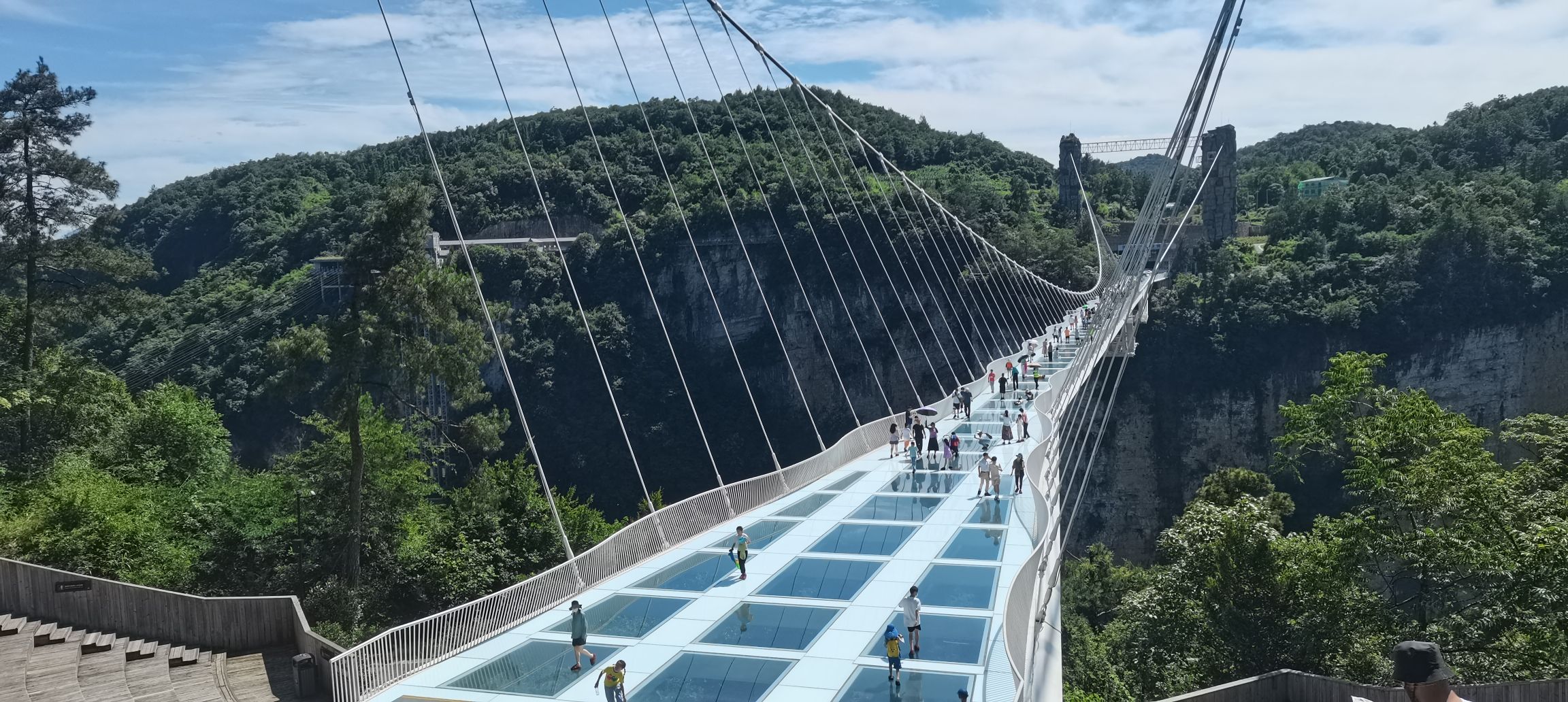
Yuntiandu
The Zhangjiajie Grand Canyon Glass Bridge, also known as "Yuntiandu" (Skywalk), is a glass-bottomed pedestrian bridge located in the Zhangjiajie Grand Canyon in Hunan, China. Built above the Wulingyuan Scenic Area, it is a tourist attraction renowned for its transparent glass bottom. Upon its opening, it was the longest and highest glass-bottomed bridge in the world. The bridge opened to the public on August 20, 2016, with a total length of 430 meters (1410 feet), a width of 6 meters (20 feet), and suspended approximately 300 meters (980 feet) above the ground. It spans the canyon between two cliffs within Zhangjiajie National Forest Park. The bridge can accommodate 800 visitors simultaneously. The bridge was designed by Israeli architect Haim Dotan.
Tianmen Mountain National Forest Park
Tianmen Mountain National Forest Park is located in Zhangjiajie City, Hunan Province, China, and is a famous peak with an elevation of 1518.6 meters. The park is renowned for its magnificent natural scenery and unique karst landform, earning it the reputation of 'Heavenly Gate Immortal Mountain'. Within the scenic area is the world's longest high-mountain passenger cableway, the Tianmen Mountain Cableway, which transports visitors directly from the city to the mountain top. Several kilometers of cliff-side walkways have been developed on the summit, including multiple thrilling glass skywalks, such as the famous 'Coiling Dragon Cliff Glass Skywalk'. Connecting to Tianmen Cave at the summit is the 'Heaven-Linking Avenue', a winding mountain road that is 11 kilometers long with 99 sharp turns. Its S-shaped bends ascend layer upon layer, reaching straight into the clouds, earning it the title of 'The World's First Highway Wonder'. Tianmen Cave is a natural karst cave that is 131.5 meters high, often shrouded in mist, resembling a gate to heaven. 999 stone steps lead directly to the cave entrance, known as the 'Stairway to Heaven'. A temple, Tianmen Mountain Temple, originally built during the Tang Dynasty, is also located on the summit.
Tianmen Mountain National Forest Park - Tianmen Cave
Tianmen Cave is a landmark attraction of Tianmen Mountain National Forest Park, a naturally formed massive karst cave piercing through the mountain, 131.5 meters high, 57 meters wide, and 60 meters deep. It resembles a gateway to heaven, suspended high on a towering cliff, perpetually shrouded in mist and clouds, exuding a magnificent aura. Legend has it that the opening of Tianmen Cave is a symbol of heavenly blessing, and its unique characteristics of being 'exceptionally high and deeply hidden' attract countless explorers. At the cave entrance, there are 999 stone steps, commonly known as the 'Stairway to Heaven', a must-pass route for challenging oneself and praying for peace and safety.
Must-Try Local Food
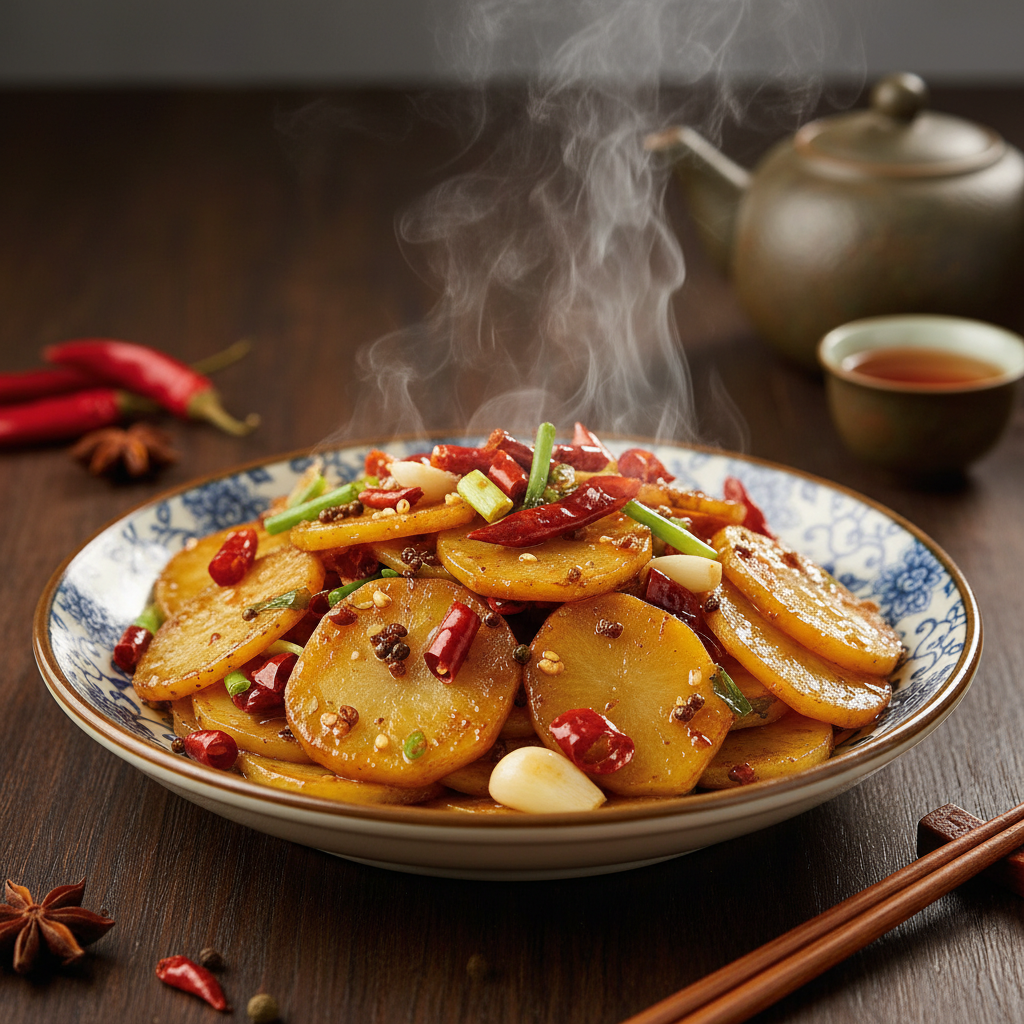
Dry Pot Potato Slices
Dry Pot Potato Slices is a widely popular home-style dish, primarily made with potato slices, paired with various spices and auxiliary ingredients, and cooked in a dry pot. It is known for its spicy, aromatic, fresh, and rich flavor, with potato slices that are crispy on the outside and soft on the inside after cooking, offering a rich taste. It's an excellent dish to accompany rice or alcoholic beverages.
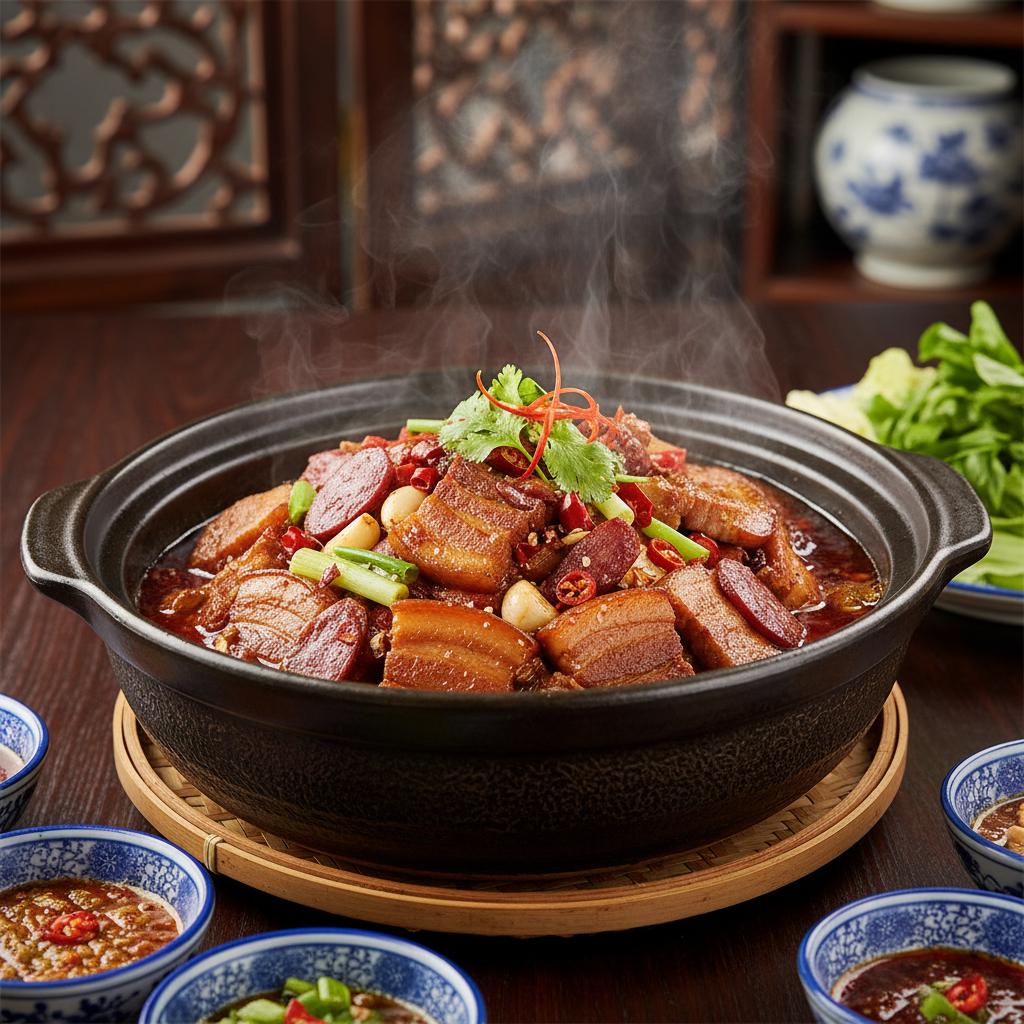
Zhangjiajie Sanxiaguo
Zhangjiajie Sanxiaguo is a traditional famous dish from the Zhangjiajie region of Hunan, evolved from the Tujia ethnic group's "He Cai" (mixed dish). It typically involves stewing cured meat, tofu, and radish together, served with a special chili seasoning, resulting in a spicy, fragrant, and rich flavor. This dish is a distinctive delicacy for locals in Zhangjiajie, both for daily meals and entertaining guests, and is deeply loved by diners.

Stir-fried Preserved Vegetables with Pork
A home-style stir-fry, made by stir-frying preserved vegetables and sliced meat together. It has a sour and refreshing taste, unique flavor, and is a common dish served with rice in many regions.
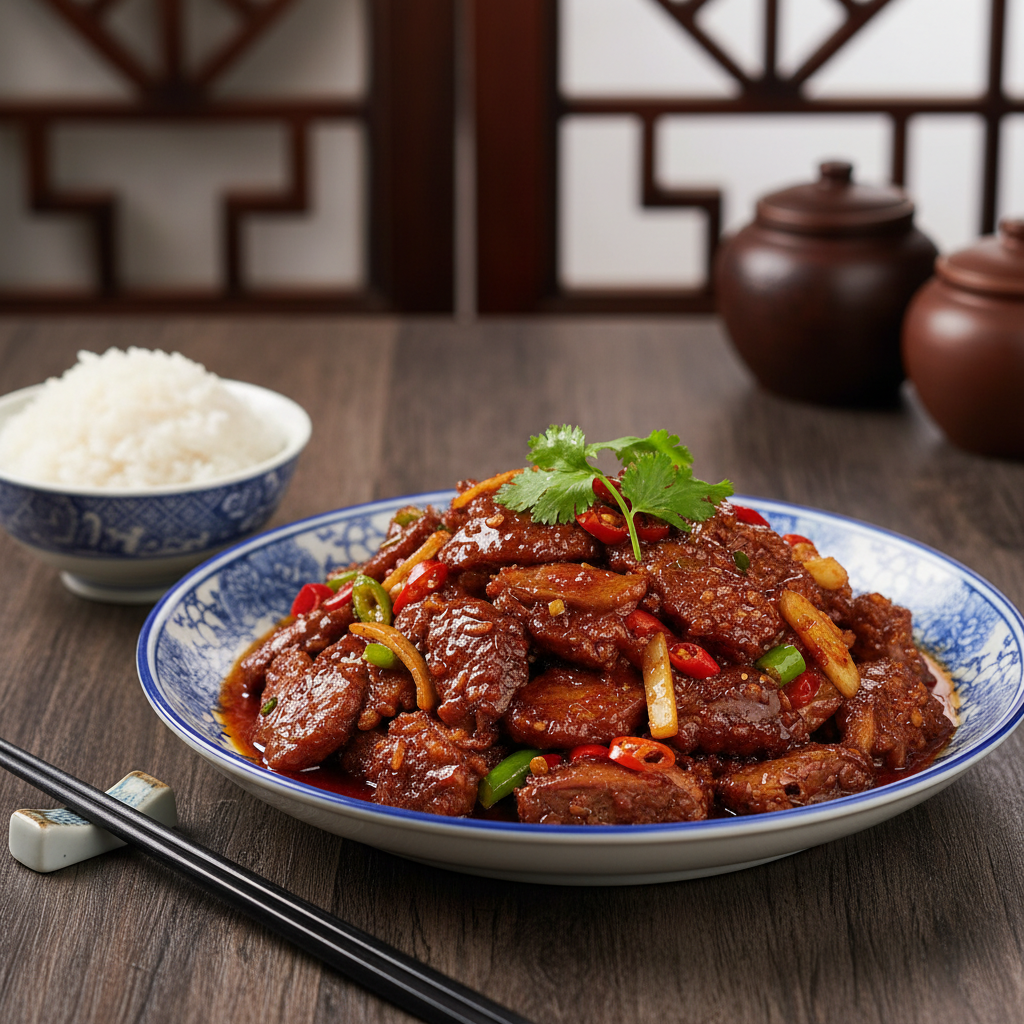
Xueba Duck
Xueba Duck is a famous traditional dish from the Xiangxi region, prepared with duck meat and xueba (made from glutinous rice and duck blood). It is renowned for its unique texture and flavor, and is a classic delicacy in Hunan cuisine.
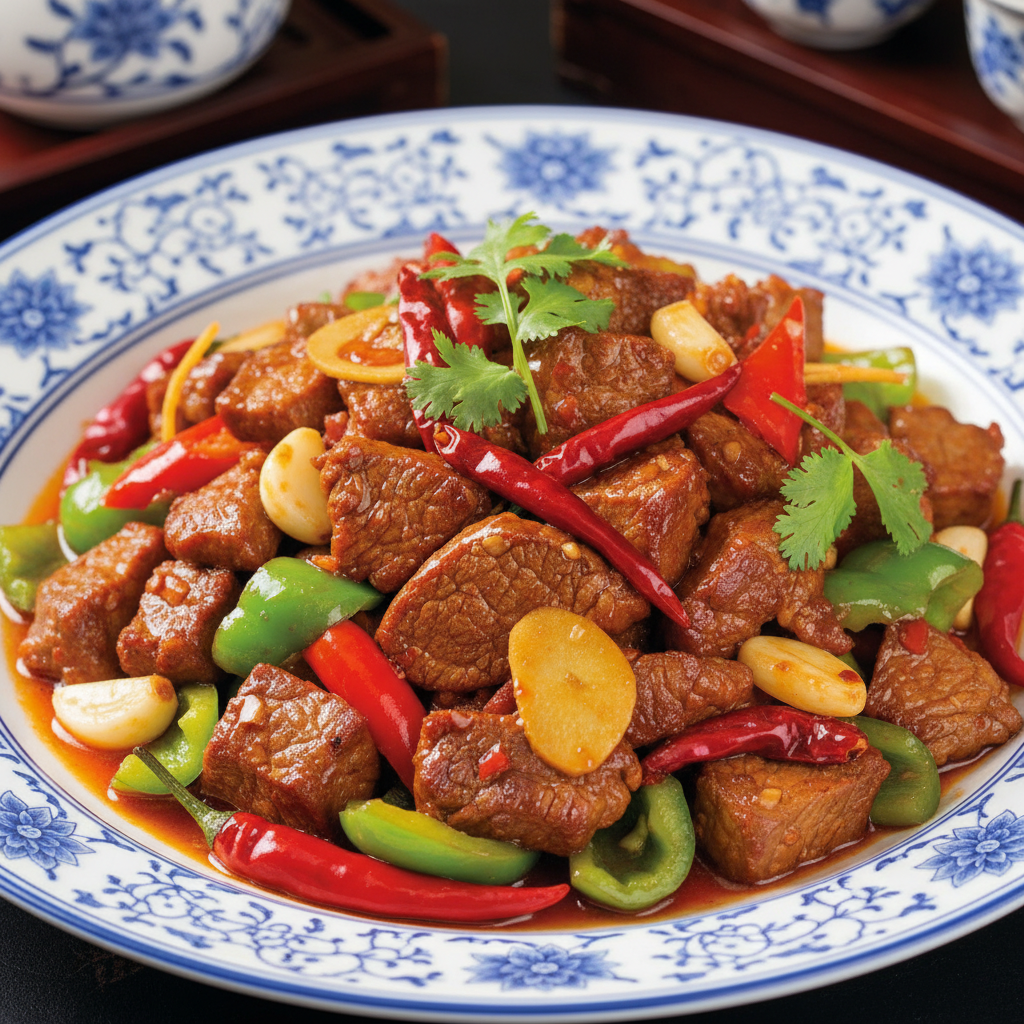
Stir-fried Yellow Beef
Stir-fried Yellow Beef is a dish primarily made with yellow beef, stir-fried with auxiliary ingredients such as chili peppers and garlic. It is characterized by tender beef, a spicy and delicious taste, and rich flavor.

Tujia Cured Pork
Tujia Cured Pork is a traditional delicacy of the Tujia ethnic group, primarily popular in Tujia-inhabited areas such as western Hunan. It is made from fresh pork, undergoing multiple processes such as curing and smoking. Its characteristics include firm texture, golden color, unique flavor, and a rich smoky aroma. It is an important New Year's food and a hospitality dish for the Tujia people.