What is the e‑commerce culture like in China?
An introduction to China’s e‑commerce culture and its unique social role, plus a step‑by‑step guide for foreign travelers who want to shop on Taobao.
What is the e‑commerce culture like in China?
If you want to truly understand modern China, you can’t ignore its e‑commerce culture. Online shopping in China is more than just “buying things on the internet” — it is a technology‑driven, highly social lifestyle deeply woven into everyday life.
For foreign travelers, participating directly used to be very difficult. Today, thanks to internationalization efforts by major platforms, it has become completely possible.
1. A society where almost everything can be bought online
China leads the world in the adoption, efficiency, and variety of online shopping. The market is dominated by three major platforms:
- Taobao / Tmall:
A massive online marketplace that sells almost anything you can think of. - JD.com:
Known for its self‑operated model and highly efficient logistics, focusing on genuine products and reliable delivery. - Pinduoduo:
A fast‑growing platform using social commerce and aggressive pricing.
This mature ecosystem is built on a few key characteristics:
-
Highly efficient delivery:
In major cities, next‑day delivery is common, and same‑day delivery is often available. -
Mobile‑first experience:
Most shopping, payment, and even customer service happens inside mobile apps. -
New forms like live‑stream commerce:
Shopping via live video streams has become a huge phenomenon, blending entertainment, social interaction, and e‑commerce. -
Massive shopping festivals:
The annual “Double 11” (11.11) sale is the world’s largest online shopping event, showcasing the scale and energy of China’s consumer culture.
2. Can travelers participate directly? – Yes
Using Taobao as an example, foreign visitors can now complete the full shopping process on their own.
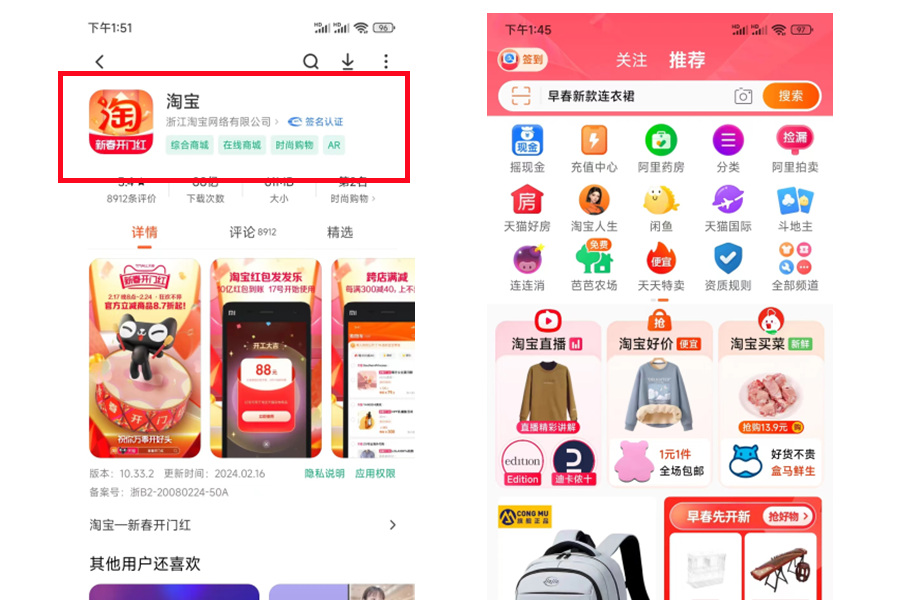
First, download the Taobao app from your app store. In the settings, switch the interface language to English (or another supported language). Then:
-
Register an account:
Use your own mobile number and select your country/region code to receive an SMS verification code. -
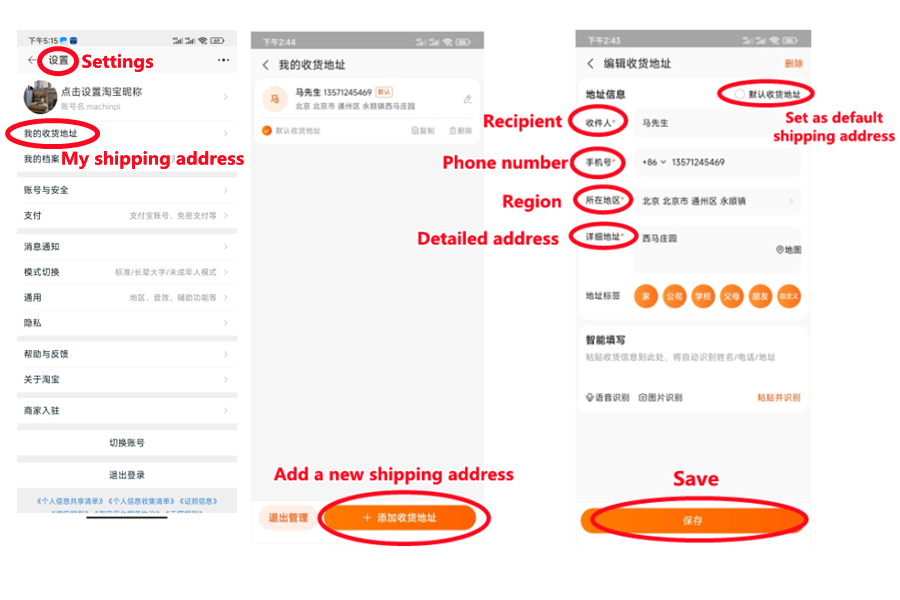
Set up a shipping address:
This step is critical.- Ask your hotel front desk for the full, accurate Chinese address and a main phone number.
- In the app, go to address management and add a new address.
- Fill in the recipient name (usually your own name), a reachable phone number, and select the correct province, city, and district from the dropdown lists.
- In the “detailed address” field, paste your hotel’s full Chinese name and address, and then manually add your room number.
This is the key to ensuring your package is delivered correctly.
Once this is set, you can start shopping:
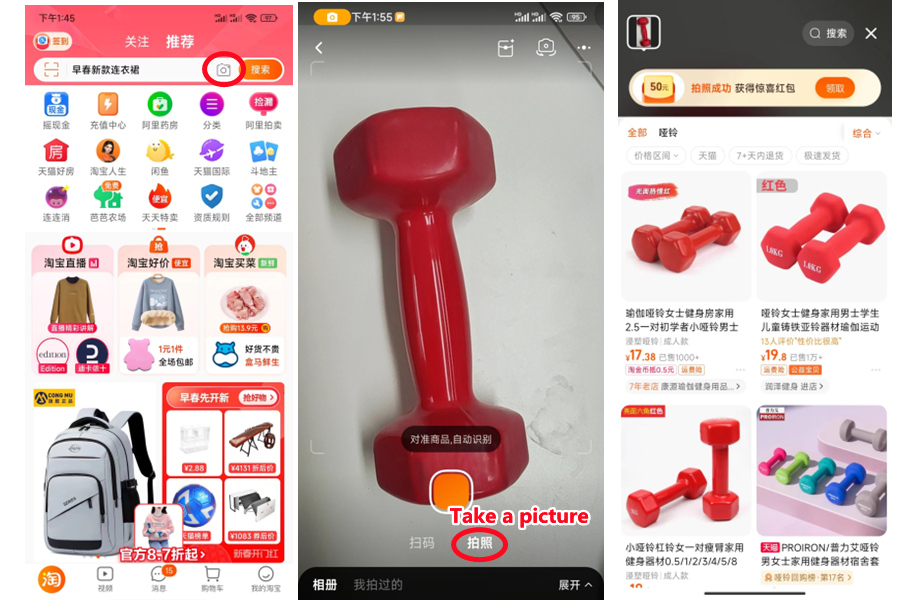
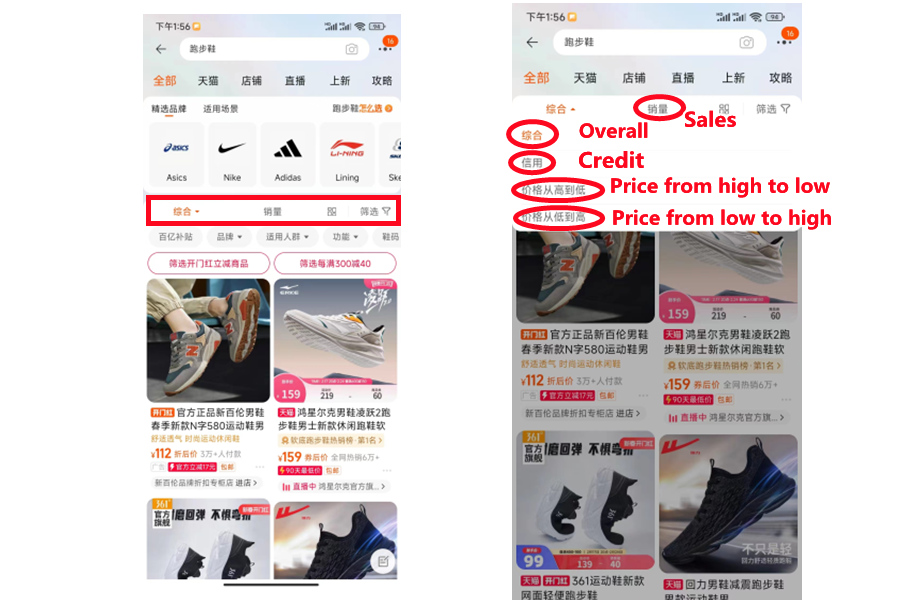
- Use image search (“拍立淘”) to search for similar products by taking or uploading a photo.
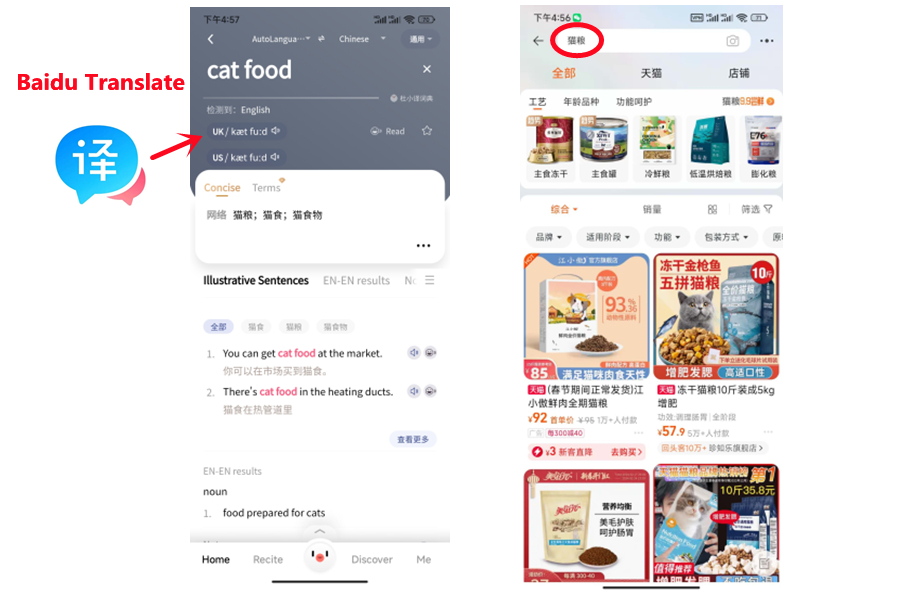
- Or translate English keywords into Chinese using a translation app, then copy them into Taobao’s search bar.
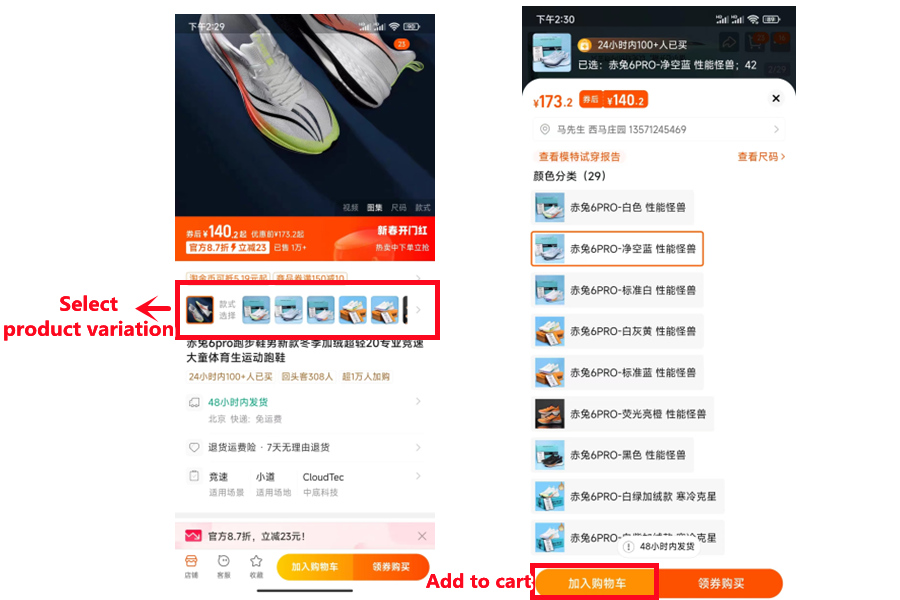
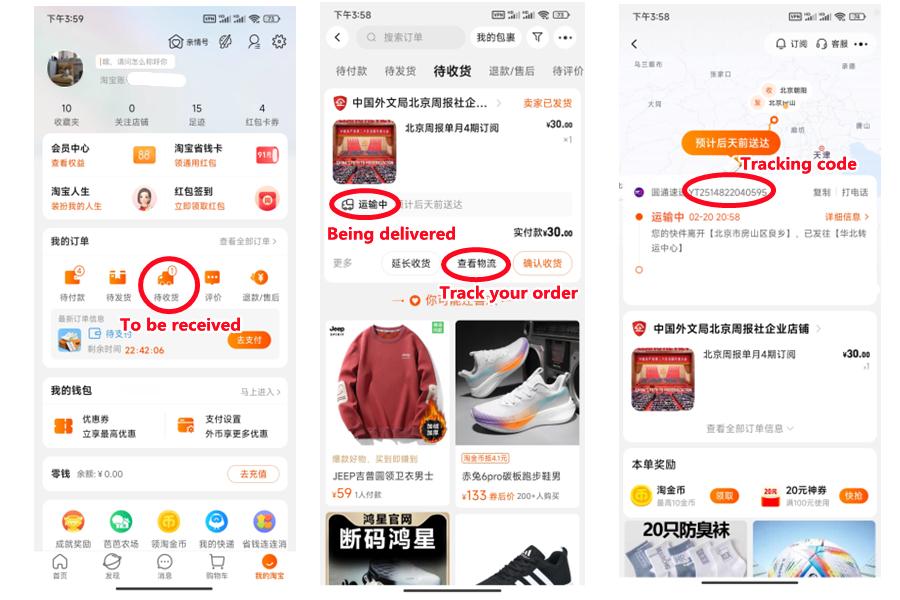
For payment, Taobao now supports international credit and debit cards such as Visa and Mastercard. There may be small cross‑border service fees. After placing your order, you can track the shipment in the “My Orders” section, checking logistics updates until the package arrives.


3. Other options and low‑effort approaches
Besides Taobao, JD.com is another very reliable choice, especially for time‑sensitive or “urgent” purchases, thanks to its fast logistics. Its registration and purchasing process is similar to Taobao’s.
If you want to avoid any complexity, the easiest option is to ask locals for help:
- Hotel staff or local friends can use their own accounts to order what you need.
- You simply tell them what you want (ideally with photos or links) and reimburse them.
4. Conclusion
China’s e‑commerce culture is an excellent window into its modernization, technological innovation, and consumer energy. As a foreign traveler, you are now fully able to participate. It takes some patience and careful setup, but successfully placing an order and receiving a package in your hotel can itself become a unique travel experience.
And of course, asking locals for help remains your most reliable backup plan.